Yazılar

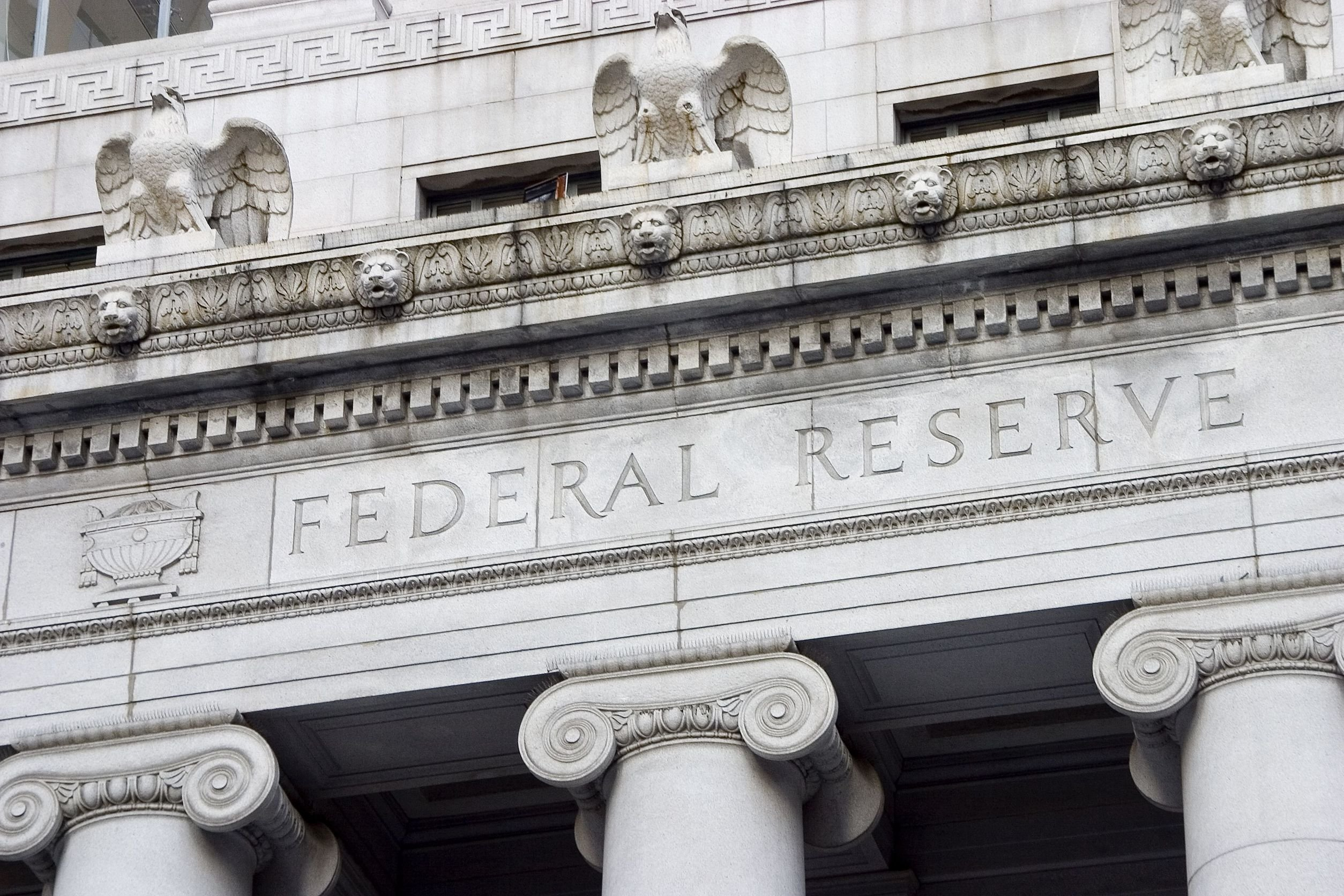
Federal Reserve to Adopt Slow Policy Easing Due to Inflation Concerns, Says Fitch

The U.S. Federal Reserve is expected to begin its rate-cutting cycle with a slower approach than in previous decades, according to a recent report by Fitch Ratings. The rating agency projects that the central bank will begin easing at its September policy meeting, starting with a 25-basis-point cut, followed by another in December. Further gradual cuts are expected through 2025 and 2026, totaling 250 basis points over 25 months, much slower than the historical median of 470 basis points over eight months.

Inflation Still a Concern

Fitch emphasized that inflation remains a concern, particularly core inflation, which excludes food and energy prices. While inflation dropped to its lowest since February 2021, standing at 2.5% year-on-year in August, it remains above the Fed’s 2% target. The report points out that the recent decline in core inflation was primarily due to falling automobile prices, which may not be sustainable.

The Fed’s cautious approach is also driven by the inflation challenges it faced over the past few years, highlighting gaps in understanding the drivers of inflation. With core CPI still elevated at 3.2% on an annual basis, Fitch expects the Fed to proceed slowly with rate cuts to avoid reigniting inflationary pressures.

Global Monetary Policy Divergence

While the Fed is expected to proceed with slow easing, other global central banks are taking different approaches. In China, Fitch foresees continued rate cuts by the People’s Bank of China (PBOC) as deflationary pressures deepen. The PBOC’s recent cuts and declining core inflation, now at 0.3%, signal further easing to combat economic challenges. Fitch predicts China’s inflation to drop to 0.5% in 2024, with additional rate cuts through 2025.

Conversely, Japan’s central bank is adopting a more hawkish stance. The Bank of Japan (BOJ) has aggressively raised rates, reflecting its growing confidence that inflation is firmly entrenched. Core inflation in Japan has been above the BOJ’s target for 23 months, supported by ongoing wage growth. Fitch expects the BOJ’s policy rate to reach 0.5% by the end of 2024, rising to 1% by 2026, a shift that could have broader global economic impacts.


 

Global Stocks Plummet Amid Renewed Growth Concerns, Tech Selloff Sparks Broader Market Decline

Global stock markets plunged on Wednesday, driven by escalating concerns over global economic growth and a major selloff in technology stocks. In Asia, leading stock benchmarks such as Japan’s Nikkei and Taiwan’s TAIEX dropped more than 3%, while the MSCI Asia-Pacific Index fell by 1.8%. The decline followed lackluster U.S. manufacturing data and disappointing economic indicators from China, which added to the pessimism. Additionally, oil prices hit multi-month lows, further reflecting the market’s broader concerns about weakening demand and the potential for a global economic slowdown.

The selloff in tech stocks was particularly stark, with Nvidia, a major player in the artificial intelligence sector, experiencing a record loss of $279 billion in market value. Nvidia’s fall triggered further declines across tech firms in Asia, such as Japan’s Advantest and Taiwan’s TSMC, which saw their stocks drop by 7% and 5%, respectively. South Korea’s SK Hynix plunged by 7.7%. The tech rout extended to U.S. futures markets, with S&P 500 and Nasdaq futures sliding further.

Europe was not immune to the selloff either, with the EUROSTOXX 50 and FTSE futures both declining. Analysts pointed to various factors contributing to the slump, including weak U.S. economic data, growing concerns over China’s sluggish recovery, and the general gloom surrounding global economic conditions. China’s role as the world’s largest oil importer exacerbated the decline in oil prices, as Brent crude and U.S. crude both hit their lowest levels since December.

Investors now await a flurry of U.S. economic data, with Friday’s nonfarm payrolls report set to influence the Federal Reserve’s upcoming interest rate decisions. Despite the recent downturn, some analysts remain optimistic, expecting a strong jobs report that could restore some market confidence. Nonetheless, safe-haven currencies like the yen and U.S. dollar saw gains as investors sought refuge from the market turmoil, while gold prices edged higher.


UBS Strategist Predicts Continued Market Volatility Amid Global Economic Slowdown

The spike in market volatility seen in early August was a “huge overreaction,” according to Gerry Fowler, head of European equity strategy at UBS. He noted that a weaker-than-expected U.S. jobs report and a hawkish shift by the Bank of Japan had driven volatility to extreme levels, with the VIX index surging to 65 before retreating. Fowler expects volatility to remain elevated as uncertainty looms over the global economy.

Fowler believes the volatility spike was excessive, but noted that moderate levels of volatility should persist as markets respond to concerns about a potential U.S. economic slowdown and job losses. Future jobs data, including nonfarm payrolls and jobless claims, will be critical in determining whether the current slowdown leads to a recession or if rate cuts will stabilize the economy.

Fowler anticipates that markets will stabilize at higher volatility levels, trading within a range, though not seeing the strong upward momentum observed earlier this year. The outlook remains cautious as the global economy navigates this uncertain period.