Yazılar

Uber to Acquire 85% Stake in Turkey’s Trendyol GO for $700 Million

Uber announced on Tuesday that it will acquire an 85% controlling stake in Trendyol GO, Turkey’s fast-growing food and grocery delivery platform, in a $700 million deal. The move marks a strategic push into high-growth international markets as Uber faces market saturation in North America.

Trendyol GO, a subsidiary of Turkish e-commerce giant Trendyol Group, currently delivers food and groceries across the country, partnering with over 90,000 restaurants and markets and utilizing a fleet of 19,000 couriers. The platform fulfilled more than 200 million orders in 2024, with gross bookings of approximately $2 billion, representing a 50% year-on-year growth, Uber said.

The acquisition is expected to close in the second half of 2025. Following the deal, Trendyol GO will retain its independent branding and operations, while Uber plans to gradually integrate elements from its global food delivery platform, Uber Eats.

This expansion comes shortly after Uber dropped its $950 million bid for Delivery Hero’s Foodpanda in Taiwan, citing regulatory issues. Uber’s broader strategy includes expanding its delivery business and exploring self-driving vehicle partnerships to diversify revenue beyond its ride-hailing core.

Meanwhile, competition in the food delivery space is intensifying. DoorDash announced on the same day that it will acquire UK-based Deliveroo for $3.85 billion, aiming to strengthen its European presence and compete more effectively with Uber Eats and Just Eat.

Uber will release its Q1 earnings report on Wednesday, and analysts are watching closely to see how international investments like Trendyol GO might bolster its global growth outlook.
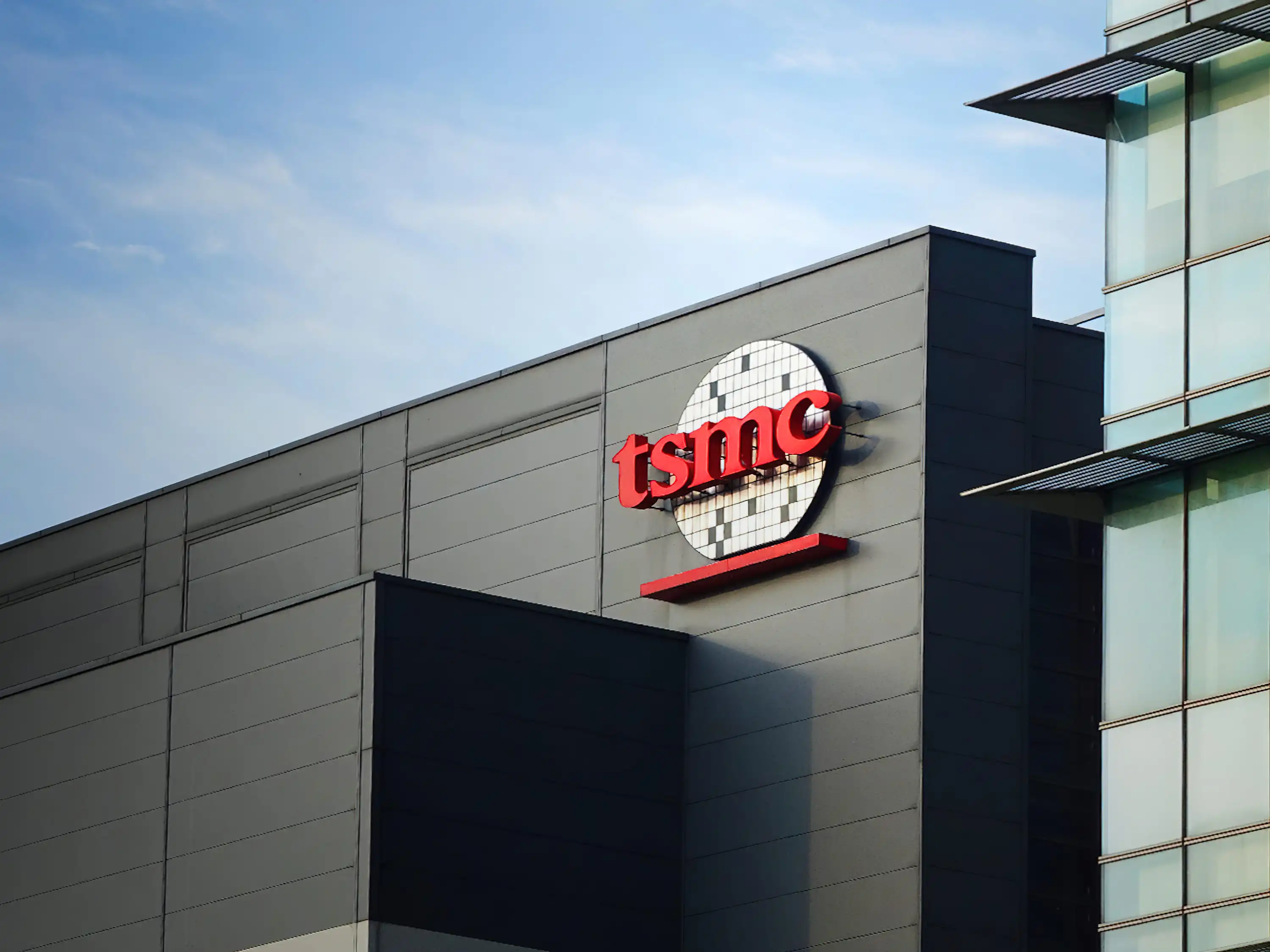
TSMC Reinforces Commitment to Taiwan with New Domestic Fab Amid Global Expansion

Taiwan Semiconductor Manufacturing Company (TSMC) reaffirmed its dedication to its home base with the opening of a new chip manufacturing facility in Kaohsiung, Taiwan. The factory, which will produce the company’s most advanced chips using 2nm technology, is expected to create 7,000 tech jobs on the island. This announcement comes amid concerns that TSMC’s significant investment in the United States could dilute its domestic presence.

TSMC’s executive vice president, Y.P. Chyn, made the remarks during a ceremony at the new fab, highlighting the company’s ongoing commitment to Taiwan even as it expands globally. The new facility is slated to begin volume production of 2nm wafers in the latter half of this year, according to the company’s schedule.

Despite its $100 billion investment plan in the U.S., TSMC and the Taiwanese government have both emphasized that a substantial portion of the company’s production will remain in Taiwan. TSMC, often called Taiwan’s “sacred mountain protecting the country,” plays a pivotal role in Taiwan’s economy, and the company’s officials reassured that Taiwan will continue to be at the heart of its operations.

While Taiwan’s Premier Cho Jung-tai expressed gratitude for TSMC’s assurances, noting that the company will always remain a “national team,” the company has also made clear that it intends to meet the growing demand of global customers, which has driven its expansion.

TSMC’s growing presence in the U.S. follows pressure from U.S. President Donald Trump, who has repeatedly criticized Taiwan’s semiconductor dominance and called for more manufacturing to return to the U.S. The concerns over potential tariff impositions highlight the delicate balance TSMC must strike as it manages its global footprint while maintaining its critical role in Taiwan’s economy.

Huawei Nears Revenue Peak Again, Signals Post-Sanctions Comeback

Huawei is set to announce its full-year financial results, revealing a near-return to its 2020 revenue peak despite years of U.S. sanctions. The Chinese tech giant is expected to report revenues of 860 billion yuan ($118 billion) for 2024—just shy of the record 891 billion yuan it achieved before U.S. restrictions slashed its consumer business and chip supplies.

Once in “survival mode,” Huawei now appears to be thriving again. The company has diversified into new sectors like smart driving technology, cloud software, and domestic chip development. These efforts have helped mitigate the impact of sanctions that once seemed poised to cripple its international business.

Smartphones and Software Recovery
Consultancy Isaiah Research estimates Huawei shipped over 45 million smartphones in 2024—up more than 25% year-on-year—despite continued constraints in chip yield rates. Its homegrown operating system, HarmonyOS, now powers over a billion devices. Meanwhile, Huawei’s own enterprise software system, “MetaERP,” has replaced U.S.-origin platforms like Oracle.

Auto Ambitions Paying Off
One of Huawei’s most successful pivots has been into smart vehicles. Its Aito brand—developed with Dongfeng-backed Seres—tripled its sales last year, driven by models like the M7 and M9 that feature Huawei’s driver assistance technologies. The company is also collaborating with other Chinese automakers like Chery, BAIC, JAC Group, and SAIC Group.

Innovation Under Pressure
Experts say sanctions pushed Huawei and its domestic partners toward greater innovation. “Huawei has shown incredible resilience in the face of this national state-led effort,” said Paul Triolo of the DGA-Albright Stonebridge Group. He noted that Huawei’s resurgence has led to broader industry collaboration and technological independence within China’s IT sector.

Looking Ahead: Global Patchwork Strategy
While HarmonyOS and its AI chips are gaining traction, Huawei still faces challenges regaining market share in the West due to limited access to Android. However, its infrastructure and data services are growing in markets like the Middle East. Huawei’s global strategy will likely be a “patchwork affair,” said Triolo, but it could dominate in alternative AI ecosystems across key emerging markets.

Beyond Survival
With ambitions to integrate AI into industrial communication systems and expand its connected software offerings, Huawei’s focus is now on long-term growth. It also hinted at renewed international smartphone pushes, such as its high-profile Mate XT foldable phone launch in Malaysia earlier this year.