Yazılar

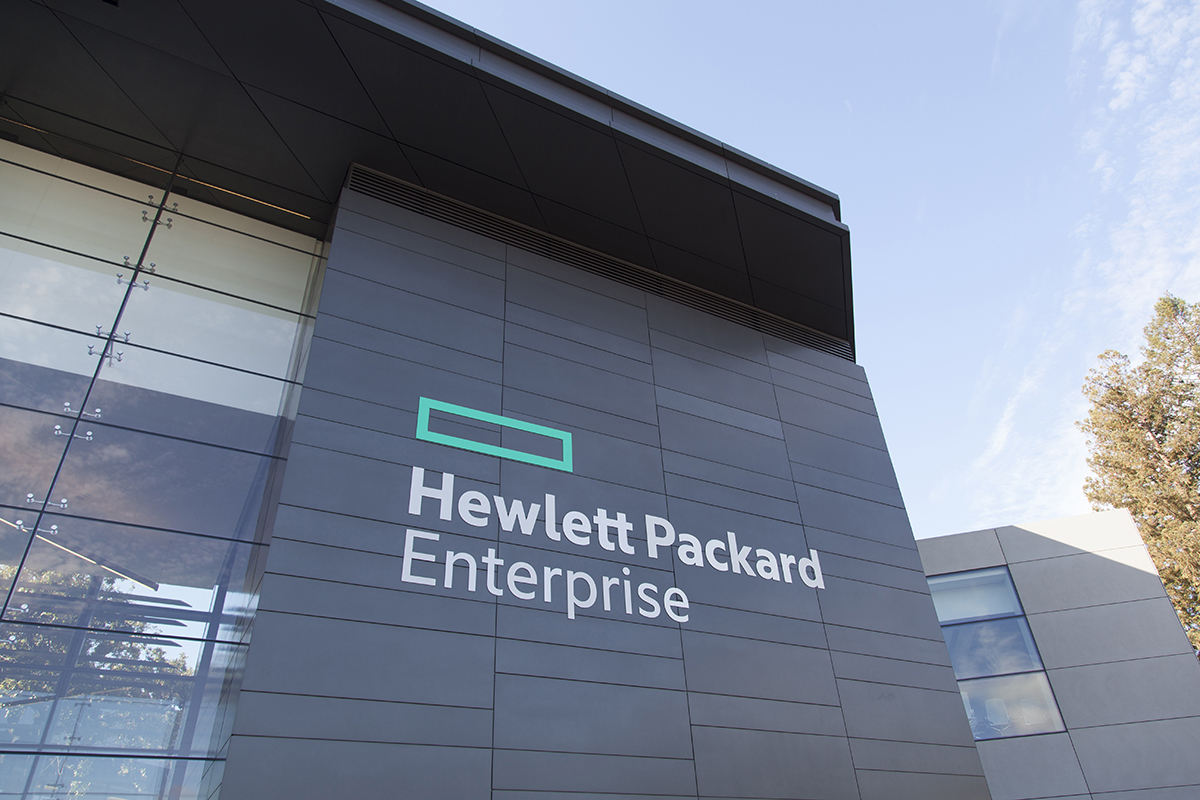
HPE Forecasts Below-Estimate Revenue Amid Tariff Impact and Cost-Cutting Measures

Hewlett Packard Enterprise (HPE) has projected quarterly revenue growth below analysts’ estimates, resulting in a nearly 20% drop in its shares in after-hours trading. The company attributed this forecast to the uncertainty created by the U.S. tariff war, which has affected its server business.

CEO Antonio Neri addressed the issue on a post-earnings call, explaining that HPE plans to adjust the prices of its products and leverage its global supply chain to mitigate the impact of both imposed and threatened tariffs. Neri added that the forecast reflects the company’s best estimate of the net effects of U.S. tariff policy.

U.S. President Donald Trump recently exempted certain goods from Canada and Mexico under a North American trade pact until April 2, temporarily easing some tariffs. However, Trump’s additional 10% duty on Chinese goods, which follows a 10% tariff imposed earlier in February, took effect this week, adding more pressure on companies like HPE.

Sales outside the U.S. account for nearly 64% of HPE’s net revenue in fiscal 2024, with key operations, including production and final assembly, based in Mexico and China. CFO Marie Myers stated that the company expects to mitigate much of the tariff impact during the second half of the year, although some effects may be felt in the second quarter as mitigation measures are gradually implemented.

HPE’s second-quarter revenue forecast falls between $7.2 billion and $7.6 billion, which is below the analysts’ expected $7.93 billion. The company’s profit forecast also missed expectations. In a bid to cut costs, HPE announced plans to lay off 5% of its global workforce, equating to approximately 2,500 jobs. These layoffs are part of a cost-saving program expected to generate about $350 million in savings by fiscal 2027. HPE had around 61,000 employees as of October 31.

Despite these challenges, the company reported first-quarter revenue of $7.85 billion, slightly surpassing analysts’ estimates of $7.82 billion. Server revenue grew by 29%, reaching $4.3 billion.
TSMC CEO Highlights U.S. Investment Driven by Strong Customer Demand

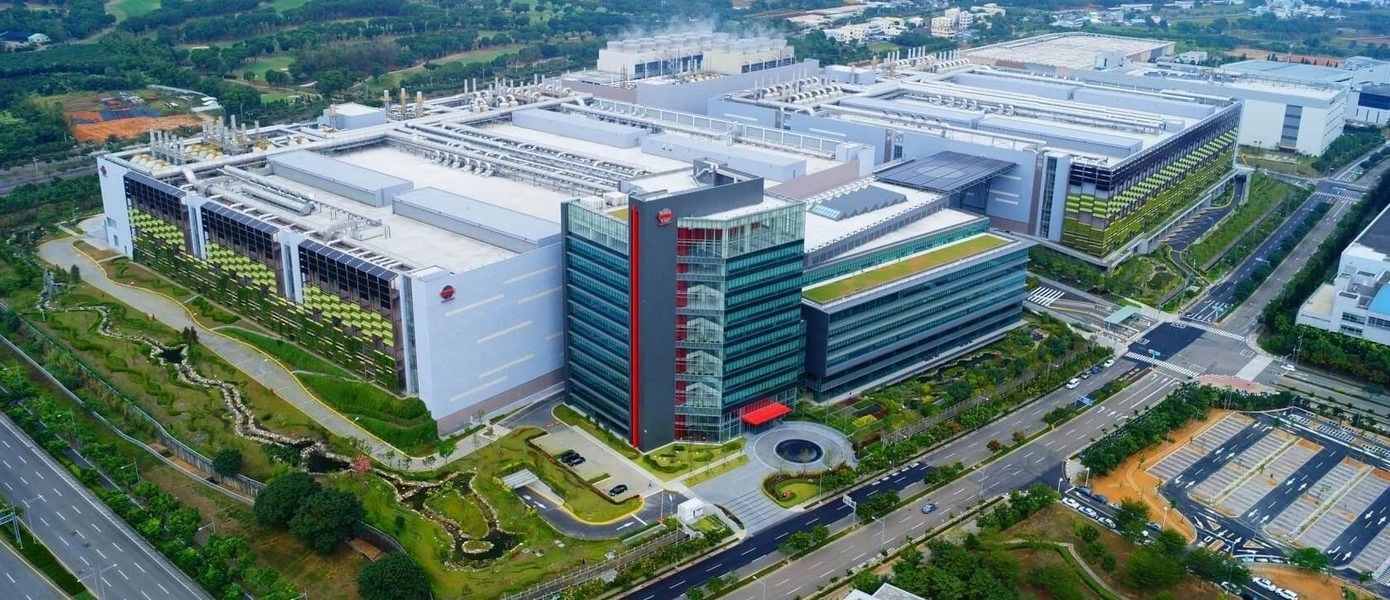
Taiwanese semiconductor giant TSMC (2330.TW) announced that its increased investment in the United States is primarily driven by strong customer demand, with production lines already fully booked for this year and the next two years. CEO C.C. Wei revealed the company’s expansion plans during a press conference at Taiwan’s presidential office on Thursday. Wei emphasized that TSMC’s $100 billion investment plan, unveiled this week, would not affect its ongoing expansion efforts in Taiwan, despite concerns that overseas investments might harm the island’s semiconductor industry.

TSMC, the world’s largest contract chipmaker, plans to construct five additional chip facilities abroad, including in the U.S., Japan, and Germany. This expansion comes in response to demands from major U.S. clients like Apple, Nvidia, and Qualcomm. While TSMC is planning three new production lines in the U.S. over the coming years, it is also set to build 11 new production lines in Taiwan this year, a sign that Taiwan remains crucial to the company’s global operations.

Wei’s comments follow ongoing pressure from former U.S. President Donald Trump, who has criticized Taiwan for taking U.S. semiconductor business and has advocated for bringing semiconductor manufacturing back to U.S. soil. Taiwan President Lai Ching-te assured that Taiwan has not faced external pressure from the U.S. during TSMC’s investment decisions and pledged government support for the company’s domestic expansion.

While Taiwan maintains its dominance in the global semiconductor industry, concerns about over-reliance on the island, particularly amid rising tensions with China, have prompted discussions about diversifying production sites. TSMC’s expansion into the U.S. is seen as a potential solution to address supply chain risks for American technology companies.

Despite these developments, Trump recently called for the repeal of the 2022 bipartisan law that provides $52.7 billion in U.S. subsidies for semiconductor manufacturing, suggesting the funds should instead be used to pay off national debt.

Biden Administration Launches Probe into Chinese Legacy Chips, Prepares to Transition to Trump

In its final weeks, the Biden administration has initiated a trade investigation targeting older Chinese-made semiconductors, known as “legacy” chips, which are widely used in everyday products such as automobiles, home appliances, and telecommunications equipment. The probe, under Section 301 of the Trade Act of 1974, aims to counter China’s state-supported semiconductor expansion, which U.S. officials argue undermines global competition by offering artificially low-priced chips.

The investigation, announced by U.S. Trade Representative Katherine Tai, is designed to protect American semiconductor producers and those in allied nations. The effort will be handed over to the incoming Trump administration, which could use it to impose additional tariffs of up to 60% on Chinese imports, aligning with Trump’s campaign promises to take a tough stance on China.

Outgoing President Joe Biden has already implemented a 50% tariff on Chinese semiconductors, effective January 1, and imposed stricter export controls on advanced chips and chipmaking tools. The Biden administration has also highlighted alarming findings, with Commerce Secretary Gina Raimondo reporting that two-thirds of U.S. products using chips contain Chinese legacy semiconductors. Moreover, half of U.S. companies, including some in defense industries, are unaware of their chips’ origins.

China’s commerce ministry denounced the investigation as “protectionist,” warning of potential disruptions to the global chip supply chain and threatening retaliatory measures. Meanwhile, Tai accused Beijing of seeking global dominance in the semiconductor industry, stating that China’s practices could harm market-oriented competitors.

PUBLIC HEARING AND TIMELINE
The probe will accept public comments starting January 6, with a public hearing scheduled for March 11-12. The investigation is expected to conclude within a year. The framework for this probe mirrors earlier Section 301 investigations that led to the imposition of tariffs on $370 billion worth of Chinese goods during the Trump administration, igniting a protracted trade war.

The Information Technology Industry Council, a U.S. tech trade group, has expressed concerns about the investigation’s potential economic ramifications. The group urged both the Biden and Trump administrations to approach the inquiry collaboratively and objectively, particularly given the complexities of the semiconductor supply chain and the risks associated with unilateral actions during a presidential transition.

IMPACT ON DOWNSTREAM GOODS
The investigation will examine not only the direct impact of imported legacy chips but also their role in downstream components and products critical to industries such as defense, automotive, and medical devices. It will also assess China’s production of silicon carbide substrates and wafers essential for semiconductor manufacturing.

The COVID-19 pandemic highlighted vulnerabilities in global semiconductor supply chains, leading to disruptions in industries like automotive and healthcare. In response, the U.S. has allocated $52.7 billion to bolster domestic semiconductor manufacturing, research, and workforce development.

The Biden administration’s last-minute actions set the stage for the Trump administration to shape the future of U.S.-China trade relations, particularly in the high-stakes semiconductor industry, as Trump has vowed to prioritize American dominance in critical technologies.