Yazılar

Taiwan Weighs High-Tech Strategic Partnership with the U.S. Amid Tariff Talks

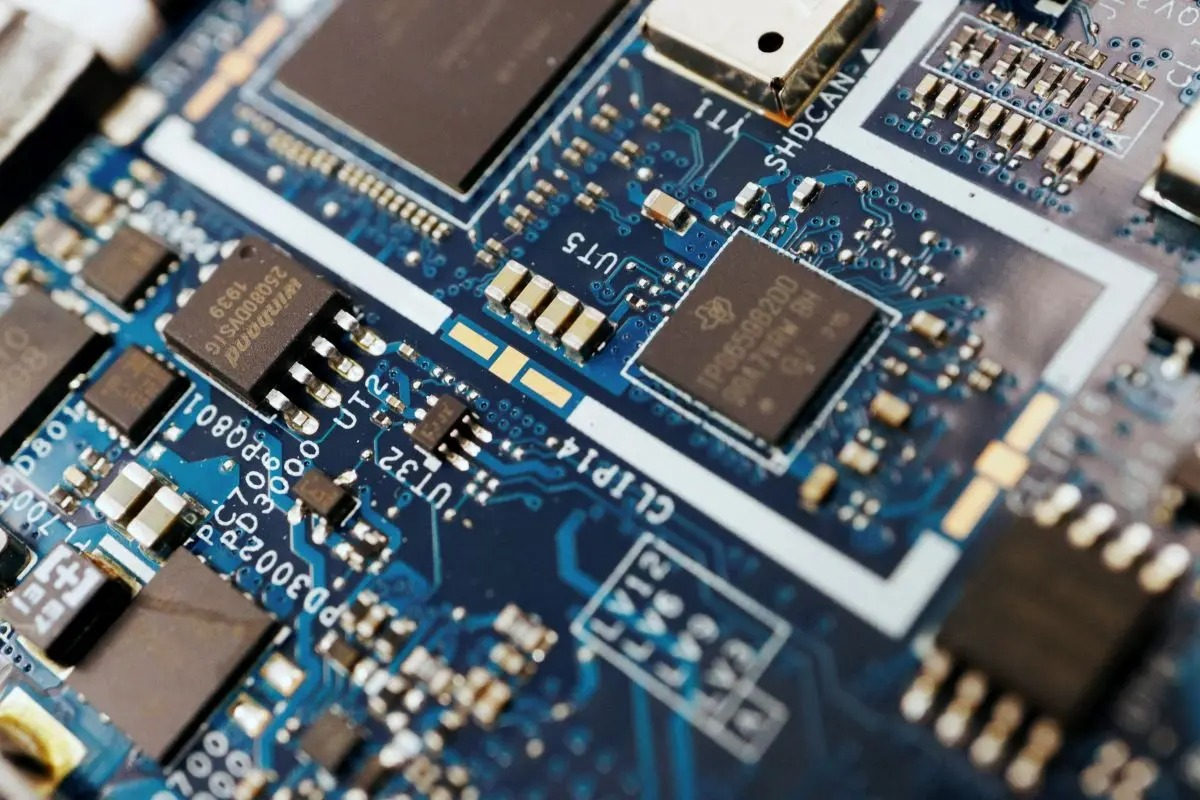
Taiwan is considering the creation of a high-tech strategic partnership with the United States, as Washington seeks greater Taiwanese investment and industrial cooperation, Taiwan’s top tariff negotiator said on Thursday.

Taiwan — home to the world’s leading contract chip manufacturer, TSMC — currently faces a 20% U.S. tariff on its exports and is looking to negotiate a reduction. The initiative comes as both economies explore deeper technological collaboration amid growing global competition over semiconductor supply chains.

Vice Premier Cheng Li-chiun, who heads Taipei’s delegation in the ongoing tariff talks, said she remains optimistic about reaching a consensus with the U.S. on what she called a “Taiwan model” for investment.

“The current negotiation focus is that the United States expects us to expand investments and engage in supply chain cooperation,” Cheng told reporters in Taipei after returning from Washington.

She emphasized that Taiwan’s approach would not involve relocating its core supply chains, but rather expanding production capacity on U.S. soil in strategic sectors. The plan would include export credit guarantees, joint R&D projects, and the co-development of industrial clusters between the two countries.

TSMC’S ROLE AND THE U.S. EXPECTATIONS

While the U.S. has expressed interest in more domestic semiconductor production, Cheng clarified that TSMC was not directly involved in the latest negotiation round. The company, currently investing $165 billion in chip plants in Arizona, continues to keep most of its production operations in Taiwan.

She also dismissed recent reports that U.S. Commerce Secretary Howard Lutnick had proposed a 50-50 chip production split, saying:

“That idea was not raised in our talks, and it is not something Taiwan would agree to.”

Cheng noted that Washington’s priority appears to be strengthening its domestic chip production to reduce supply chain dependence on Asia, while Taiwan’s long-term strategy is to stay rooted at home but expand globally through bilateral cooperation.

INDUSTRIAL PARTNERSHIP, NOT RELOCATION

The envisioned “Taiwan model,” Cheng said, represents a strategic partnership framework—one where the island’s companies would invest in R&D and manufacturing capacity abroad, supported by governmental financial and policy mechanisms, without shifting their operational core from Taiwan.

Neither the U.S. Commerce Department nor the Office of the U.S. Trade Representative has commented publicly on the discussions, which continued as the U.S. government entered a temporary shutdown this week.

With Taiwan’s semiconductor industry playing a pivotal role in the global AI and electronics boom, both Taipei and Washington are looking to balance national security priorities with economic growth.

“Our aim,” Cheng concluded, “is to remain rooted in Taiwan, deploy around the world, and build bilateral strategic cooperation that supports both sides’ technological ambitions.”

Trump Announces Proposed 100% Tariff on Imported Semiconductors, With Exemptions for U.S.-Based Manufacturers

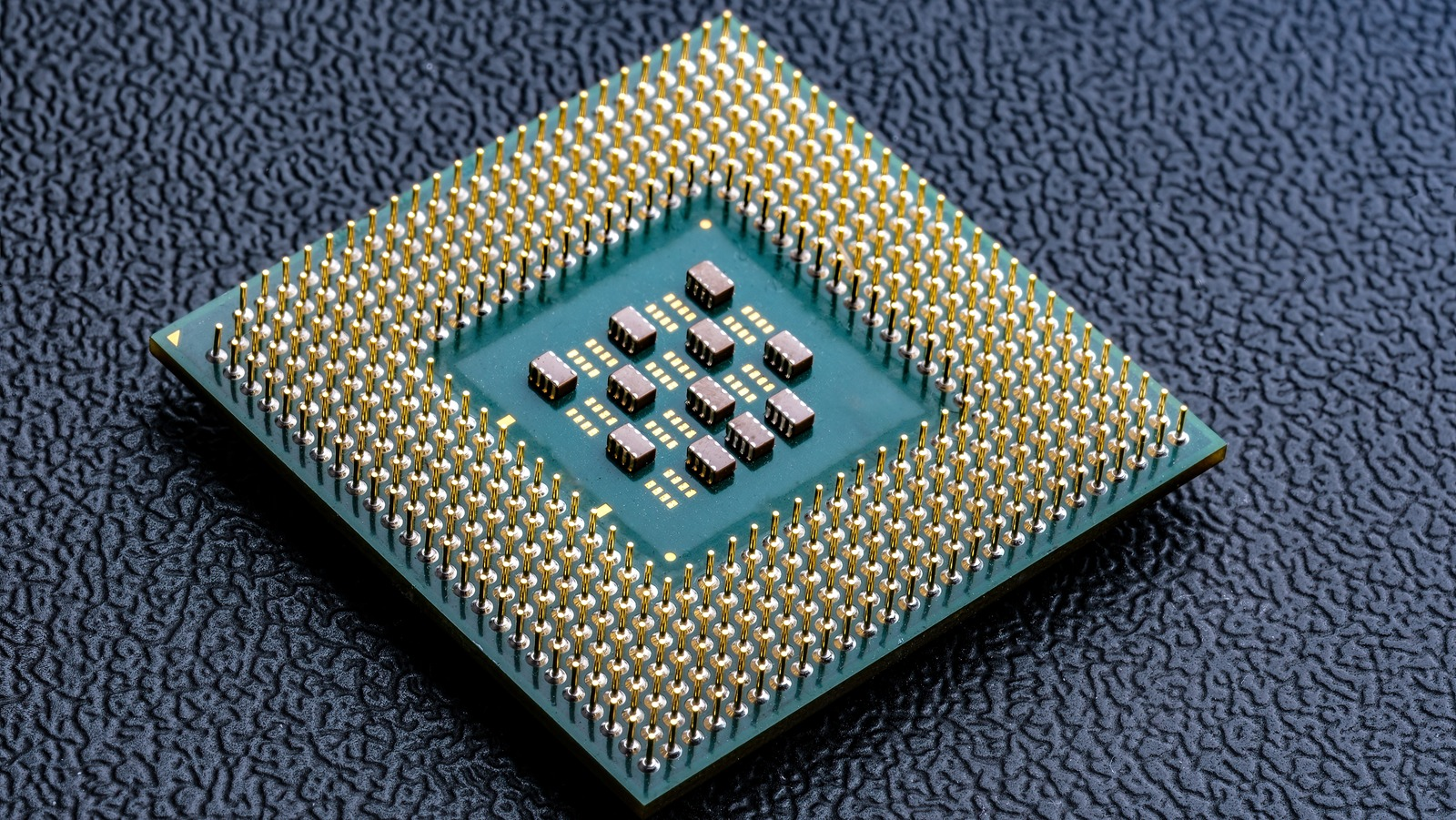
President Donald Trump announced plans to impose a roughly 100% tariff on imported semiconductor chips, aiming to incentivize companies to manufacture in the United States. However, firms that have committed to or are already producing chips on U.S. soil—such as Apple, which pledged an additional $100 billion investment in America—would be exempt from the tariff.

Trump warned that companies making false commitments to build U.S. factories would face retroactive charges if they fail to deliver. His remarks were informal and details on implementation remain unclear, with a formal national security investigation on tariffs expected to conclude by mid-August.

Reactions from the global semiconductor industry and governments varied. South Korea’s trade envoy confirmed that major chipmakers Samsung Electronics and SK Hynix will be exempt under a U.S.-South Korea trade deal. In contrast, officials from the Philippines and Malaysia expressed concern that tariffs would severely harm their industries, risking competitiveness in the U.S. market.

Taiwanese companies, notably TSMC, which have established U.S. manufacturing facilities or partnerships, are expected to avoid significant impact. This benefits key U.S. customers like Nvidia, which plans major investments in American chip production.

Experts note that the tariffs favor large, financially strong firms able to build factories domestically, emphasizing a “survival of the biggest” dynamic. The U.S. government has supported this shift with a $52.7 billion semiconductor subsidy program to boost domestic chip production, which currently accounts for about 12% of global output, down from 40% in 1990.

The European Union has agreed to a 15% tariff on most U.S. exports, including chips, and Japan secured assurances against worse tariffs than other nations on semiconductor products.

Following the announcement, shares of Asian chipmakers with U.S. manufacturing plans rose significantly, reflecting market optimism over tariff exemptions.

Siemens Beats Q2 Forecast, Sees Limited Profit Hit From Tariffs

Siemens reported stronger-than-expected second-quarter earnings on Thursday and said the global surge in tariffs will have only a limited impact on its full-year profit, thanks to its diversified global manufacturing base and flexible pricing strategy.

The German industrial giant, known for its factory automation systems, software, and rail technology, posted a 29% rise in industrial profit to 3.24 billion, well above analyst expectations of 2.75 billion.

Tariff Strategy and Global Footprint:

CEO Roland Busch stated that while trade barriers do pose challenges, Siemens is well-positioned to mitigate their impact. The company estimates the total tariff-related effect on 2024 profit will be in the high double-digit to low triple-digit million-euro range.

To minimize exposure, Siemens is:

  • Adjusting procurement strategies

  • Diversifying production

  • Increasing prices selectively (but cautiously)

We’re going to act with a slow hand,” said CFO Ralf Thomas, indicating Siemens is not planning any immediate price hikes or shifts in manufacturing locations. The company operates 150 factories worldwide, including 28 in the U.S., 23 in China, and 12 in India, reducing its vulnerability to any one region’s trade policy.

Market Outlook:

Despite global economic uncertainty and customer caution — partly stemming from trade tensions between the U.S. and China, even as they declared a truce this week — Siemens reaffirmed its full-year sales growth forecast of 3% to 7% through September.

Siemens competes globally with peers like Schneider Electric and ABB, and remains a key barometer for global industrial demand. Its resilience to tariffs and strong quarterly performance reinforce investor confidence, even in a volatile trade environment.