
Yazılar

Microsoft Accuses Google of Running “Shadow Campaigns” to Influence European Regulators

Microsoft publicly accused Google of orchestrating “shadow campaigns” in Europe, claiming Google is backing a consortium to sway European regulators against Microsoft. According to a blog post by Microsoft’s attorney Rima Alaily, Google allegedly hired DGA Group, a consulting firm, to form the Open Cloud Coalition, which includes certain European cloud companies.

Alaily asserted that the coalition is an “astroturf group” organized to undermine Microsoft and influence policymakers under the guise of promoting “a fair, competitive, and open cloud services industry.” Alaily linked a flyer for the Open Cloud Coalition, which aims to address competition in cloud services across the UK and EU, with Google reportedly backing it financially and providing resources.

Google, under increasing scrutiny in both Europe and the U.S. — where it faces its second antitrust trial — responded, emphasizing its own concerns over Microsoft’s alleged anticompetitive practices. Google maintains that Microsoft’s licensing agreements for Windows Server create unfair conditions that limit customer choice and stifle innovation, impacting both cybersecurity and market competitiveness. In September, Google filed a complaint with the European Commission, specifically calling out Microsoft’s Windows Server licensing practices. Microsoft counters that its clients benefit by saving up to 36% when using Windows Server on its own cloud infrastructure compared to Amazon’s.

Alaily further alleged that Google has repeatedly aimed to disrupt Microsoft’s standing in both the U.S. and Europe. She highlighted Google’s financial support for the Coalition for Fair Software Licensing, which in 2023 petitioned the U.S. Federal Trade Commission to investigate Microsoft’s cloud licensing practices. Additionally, Alaily claimed that Google offered $500 million to members of the Cloud Infrastructure Services Providers in Europe to oppose a potential antitrust settlement related to Microsoft, which eventually was resolved in July.

The two tech giants, competing for dominance in cloud services, online advertising, and productivity software, continue to clash, with Google’s alleged covert campaigns adding fuel to their intensifying rivalry.

 

Google Shopping Revamped with Infinite Scroll and Enhanced Video Features

Alphabet Inc.’s Google has unveiled a significant redesign of its shopping website, aiming to enhance the connection between consumers and merchant storefronts while differentiating itself from major e-commerce players like Amazon.com Inc. The revamped shopping experience emphasizes a more engaging and visually appealing layout, featuring scrollable feeds similar to those found in social media apps. The new homepage will showcase a personalized selection of products, user reviews, and auto-playing video shorts sourced from Google’s YouTube, making the shopping experience more dynamic and interactive.

In addition to the personalized feeds, Google Shopping will introduce a dedicated Deals page that curates discounted items for users, further enhancing the platform’s appeal to bargain hunters. This strategic focus on personalized content is designed to encourage users to spend more time exploring options within the Google ecosystem, rather than redirecting them to external e-commerce sites. The company has indicated that these features will initially roll out in the United States, allowing them to gauge user engagement and preferences before expanding globally.

One of the standout features of the redesign is the integration of artificial intelligence to enhance search functionality. When users search for products on Google Shopping, they will receive AI-generated blurbs that highlight key considerations for specific items, such as the suitability of jacket materials for wet climates. This added layer of information aims to empower consumers by providing them with valuable insights, thereby streamlining their decision-making process while shopping online.

The redesign reflects Google’s ongoing strategy to retain users on its platform for longer periods, particularly when researching various products, services, or even recipes. This shift is part of a broader trend in which Google seeks to provide more comprehensive information directly within its interface, minimizing the need for users to click through to external websites. Earlier this year, Google introduced AI Overviews, a feature that summarizes search results and provides users with quick insights, although some critics argue that such features could potentially reduce traffic to sites that rely on ad revenue from user visits.

Google Set to Revamp Play Store Listings with Updated Fixed Header and Enhanced Install Button

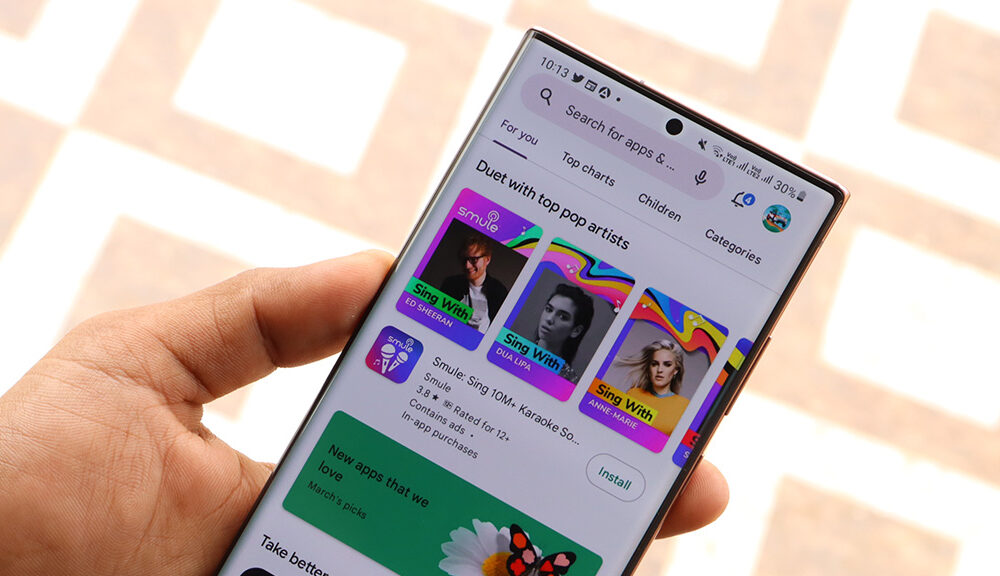
Google is reportedly enhancing the user experience on its Play Store with a redesigned layout that aims to simplify app installations. Currently, users often find themselves scrolling to the top of an app’s page to access the Install button, particularly if they are exploring lengthy descriptions. The upcoming update, as indicated by recent code changes, suggests that Google plans to implement a fixed header that will keep the Install button in view at all times, allowing for a smoother navigation experience.

The new design, first uncovered by Android Authority in version 43.1.19 of the Play Store, aims to enhance usability by making the app’s name and Install button persistently visible while scrolling through detailed app descriptions. This adjustment is expected to significantly improve the efficiency of app installations, as users will no longer have to scroll back up to initiate the download process, making it particularly beneficial for those who frequently browse apps with extensive information.

In addition to improving the installation process, the fixed header design may provide users with easier access to critical app details. This could encourage more informed decision-making as users can read through descriptions, reviews, and other information without losing sight of the essential action button. Keeping the Install button readily available may also streamline the browsing experience, leading to higher engagement rates and potentially increasing download numbers for app developers.

The introduction of this updated layout aligns with Google’s ongoing efforts to refine the Play Store experience for users. By prioritizing accessibility and usability, the company is making strides toward a more intuitive app ecosystem. This change could set a precedent for further enhancements in app store design, emphasizing the importance of user-centered features in digital marketplaces. As Google continues to roll out these updates, users can look forward to a more efficient and enjoyable experience when exploring new applications.