Yazılar

Microsoft CEO Satya Nadella Expected to Visit India in December, Likely to Speak at AI Conferences

Microsoft CEO Satya Nadella is reportedly planning his second visit to India this year, sources say. The Indian-origin executive is expected to travel to New Delhi, Mumbai, and Bengaluru, engaging with government officials and the tech community. During his visit, Nadella is likely to participate in two major artificial intelligence (AI) conferences, highlighting Microsoft’s ongoing focus on AI innovation and its commitment to India’s rapidly growing technology sector.

Key Details About Nadella’s Visit

According to Reuters, Nadella will meet with Indian government officials in New Delhi to discuss various technology initiatives and partnerships. In addition, he is slated to speak at AI conferences in Mumbai and Bengaluru, sharing insights on emerging AI trends and Microsoft’s strategies for the Indian market. This visit underscores the importance of India as a key hub for global tech investments.

Context of US Tech Investments in India

Nadella’s visit comes amid a growing wave of interest from US tech giants in India. Earlier this year, he announced Microsoft’s plans to invest further in the country, focusing on cloud computing, AI development, and digital infrastructure. Other US-based companies, including Google and OpenAI, have also pledged investments to expand AI capabilities in India, reflecting the country’s increasing role as a global technology hub.

Strategic and Political Implications

The visit also coincides with ongoing efforts by the Indian and US administrations to resolve trade and technology-related discussions. The Indian government has been promoting homegrown apps such as Zoho and Arattai as more affordable alternatives to international platforms like Gmail and WhatsApp. Nadella’s engagement could help strengthen Microsoft’s collaborations in India while supporting the country’s tech-driven growth agenda.
Google Pixel 10a Renders Leak Online, Hint at Familiar Design and Key Specs

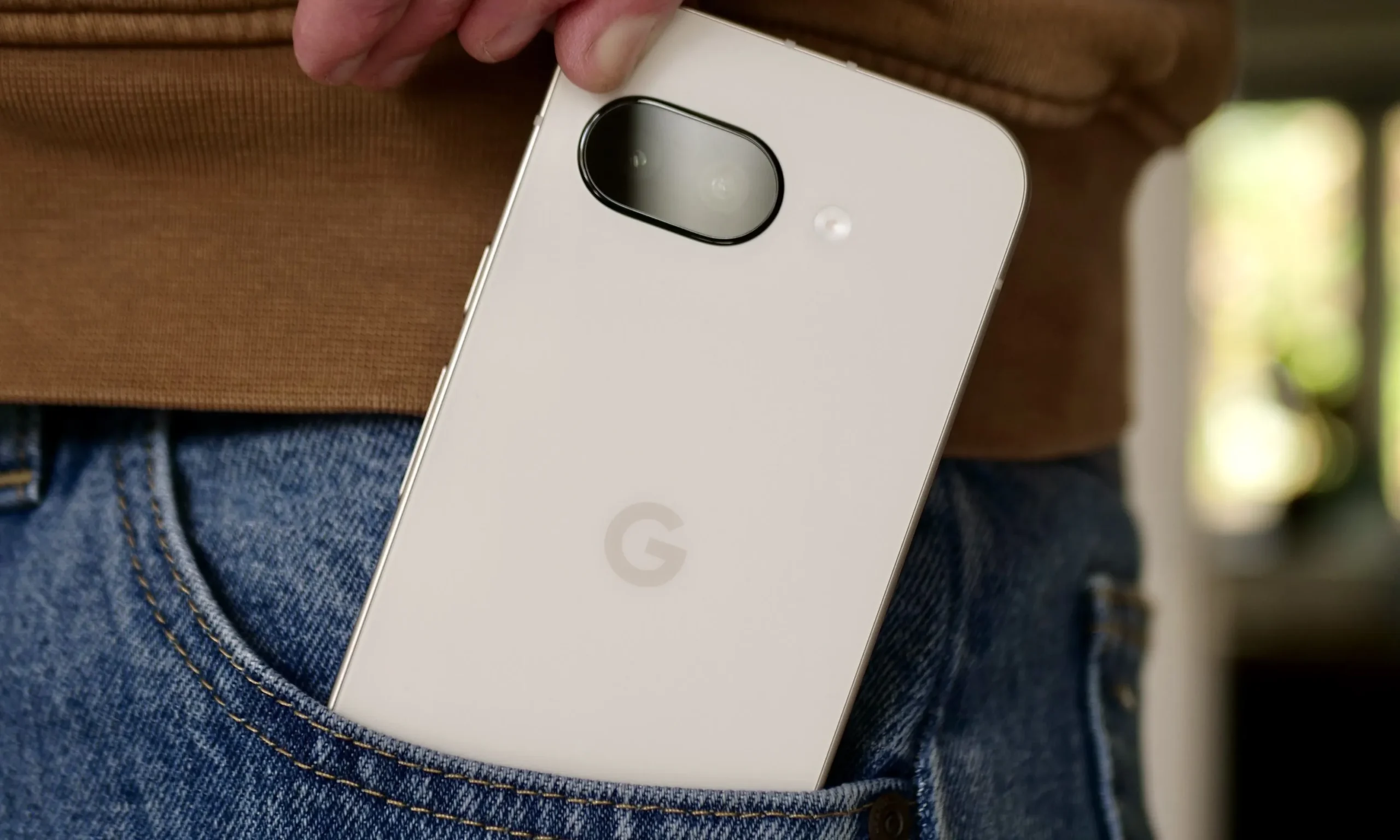
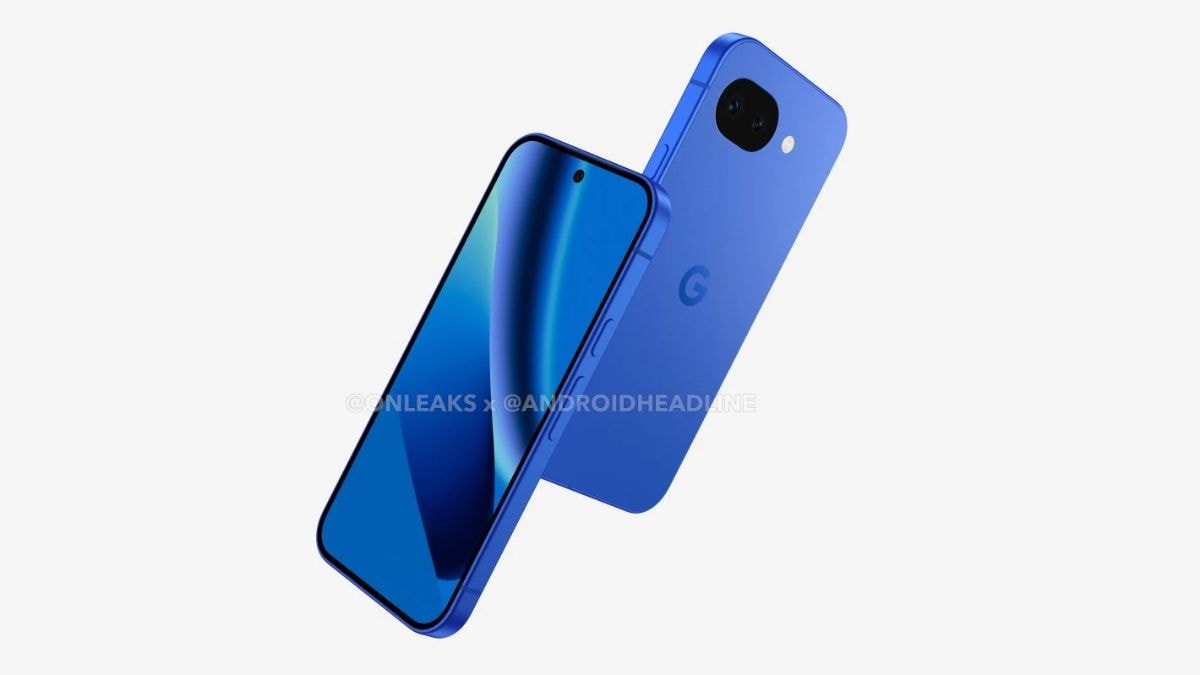
Google Pixel 10a design renders have reportedly surfaced online, giving enthusiasts an early look at Google’s next mid-range smartphone. Expected to debut sometime next year, the Pixel 10a will succeed the Pixel 9a, which launched earlier this year as part of Google’s affordable A-series lineup. Early leaks suggest the upcoming model will retain much of the same design language, indicating Google’s focus on consistency and functionality rather than drastic visual changes.

Google Pixel 10a Design Revealed

According to a report by Android Headlines, created in collaboration with well-known leaker OnLeaks, the Pixel 10a will feature a flat back panel with a smooth matte finish and a horizontally aligned camera bar — a signature design element that has defined the Pixel series for the past few years. The renders show dual rear cameras positioned within the bar, accompanied by an LED flash. From the front, the phone sports slim bezels and a centred punch-hole selfie camera.

google pixel 10a renders android headlines Google

Dimensions and Build

The Pixel 10a is expected to have roughly the same dimensions as its predecessor, the Pixel 9a, suggesting Google won’t make significant changes to its form factor. Reports claim it will feature a polycarbonate (plastic) rear shell, offering both durability and cost-efficiency. Despite being an affordable model, the device will likely continue to deliver the solid build quality the Pixel A-series is known for.

Expected Specifications

While Google has yet to officially confirm details, early reports suggest that the Pixel 10a could be powered by the company’s Tensor G4 chipset — the same processor found in the flagship Pixel 10 lineup. It may also come with a 6.1-inch OLED display with a 120Hz refresh rate and run Android 15 out of the box. With Google’s continued emphasis on AI-driven features and camera performance, users can expect improvements in computational photography and battery optimisation.

Google unveils ‘Quantum Echoes’ algorithm, marking leap toward practical quantum computing

Google has announced the creation of a groundbreaking quantum computing algorithm that could pave the way for real-world applications — from drug discovery to new materials research — and generate unique datasets for artificial intelligence.

The algorithm, dubbed Quantum Echoes, runs on Google’s quantum chip and performs calculations 13,000 times faster than the most advanced classical computing algorithms running on today’s supercomputers, the company said.

Executives from Alphabet’s (GOOGL.O) Google shared during a briefing that Quantum Echoes could one day help measure molecular structures with unprecedented precision, potentially revolutionizing chemistry, medicine, and materials science. “If I can’t tell you the data is correct, if I can’t prove to you the data is correct, how can I do anything with it?” said Google research scientist Tom O’Brien, highlighting that the algorithm’s outputs can be verified by other quantum computers or experiments — a key step toward real-world usability.

Quantum Echoes builds on Google’s Willow quantum chip, unveiled last year, which overcame one of the central challenges of quantum computing: maintaining stable and reliable “qubits,” the fragile quantum bits that store and process information. Company executives described the significance of the new algorithm as “roughly equivalent” to the chip itself.

Google joins a growing list of major tech firms — including Amazon (AMZN.O) and Microsoft (MSFT.O) — investing heavily in quantum computing as the technology races from theoretical promise toward commercial reality.

For artificial intelligence, Google engineers said Quantum Echoes could be used to create new, high-quality datasets for fields like life sciences, where usable data is scarce. The company detailed the breakthrough in the journal Nature on Wednesday, marking another milestone in the emerging era of quantum-enhanced computation.