Yazılar

Universal and Warner Music Close to Striking Landmark AI Licensing Deals

Universal Music Group (UMG) and Warner Music Group (WMG) are reportedly on the verge of signing major artificial intelligence licensing agreements that could reshape how music is used and monetized in the AI era, according to a Financial Times report published Thursday.

Sources familiar with the discussions said that both music giants could finalize their deals within weeks, as they negotiate with a mix of AI start-ups and major tech companies.

Among the start-ups in talks are ElevenLabs, Stability AI, Suno, Udio, and Klay Vision. The labels are also in advanced discussions with industry heavyweights such as Alphabet’s Google and Spotify, according to the report.

Neither Universal, Warner, Google, nor Spotify immediately responded to Reuters’ requests for comment.

TOWARD A NEW MUSIC-AI BUSINESS MODEL

The potential deals represent a pivotal moment for the music industry, which has long battled unauthorized AI-generated content and the use of copyrighted works to train generative models. If completed, the agreements would establish a formal licensing framework allowing AI firms to access and use songs legally — for both music generation and AI model training.

Negotiations have reportedly focused on creating a payment system modeled after music streaming royalties, where every use or AI-generated playback of a song would trigger a micropayment to rights holders.

LEGAL AND ETHICAL PRESSURES ON AI FIRMS

The rise of generative AI has fueled a surge in lawsuits from artists and rights holders, accusing companies of using copyrighted material without consent or compensation. These potential licensing deals could help defuse legal tensions while providing a new revenue stream for record labels.

AI companies like ElevenLabs and Suno have been pushing the boundaries of voice synthesis and music generation, raising ethical questions about authorship and originality. By formalizing partnerships with major labels, these firms could legitimize AI-created music and ensure artists receive compensation.

A LANDMARK SHIFT FOR THE INDUSTRY

If finalized, these agreements would mark the first large-scale AI licensing model in the global music industry — a step that could influence how other creative sectors handle the intersection between AI and copyright.

Music industry observers say such deals could become a template for balancing innovation with intellectual property protection, ensuring that the creative ecosystem adapts rather than resists AI’s growing influence.
Bollywood Stars Sue Google Over AI Deepfakes, Seek Protection for “Personality Rights

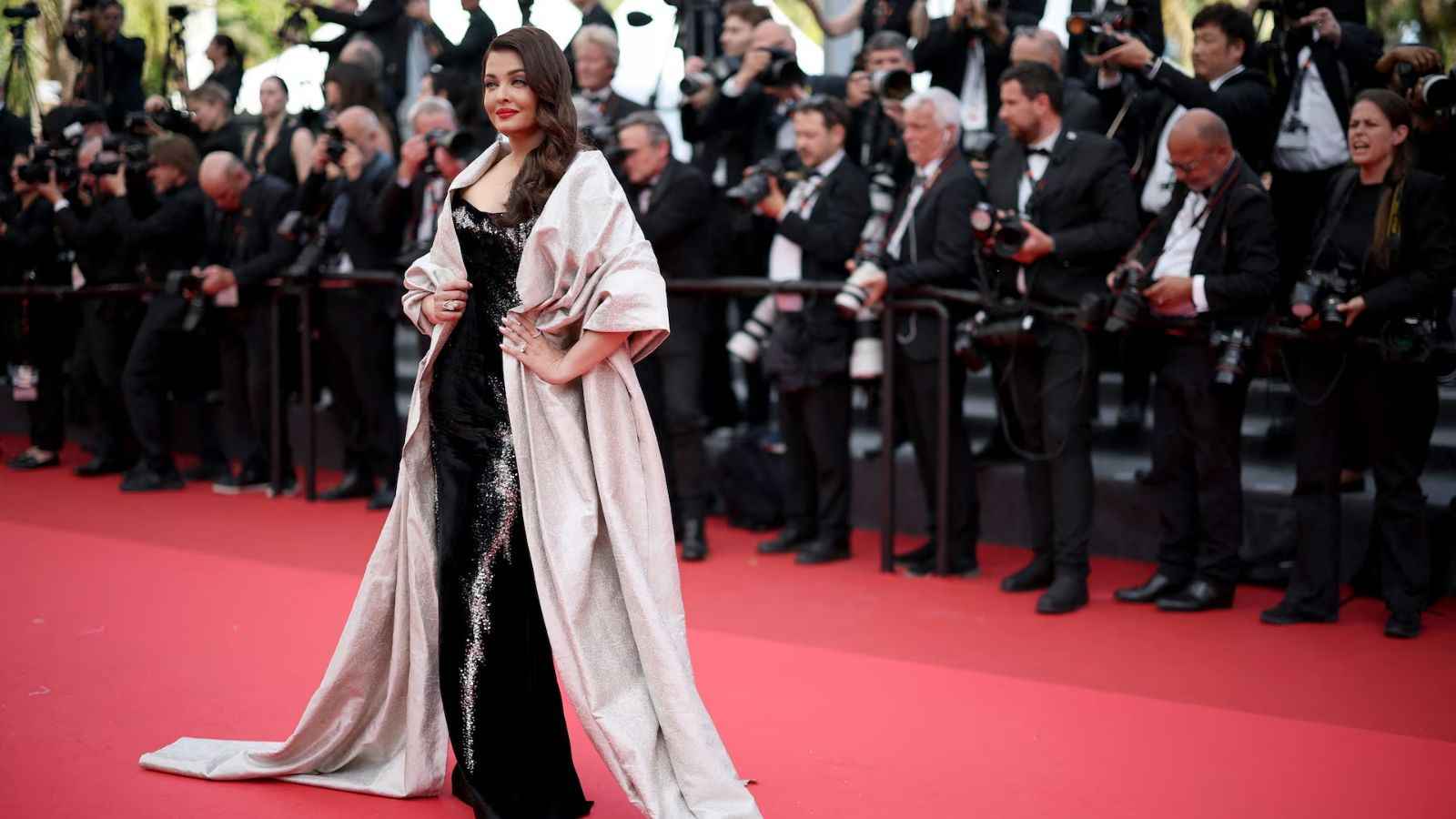
India’s most famous celebrity couple, Abhishek Bachchan and Aishwarya Rai Bachchan, have taken legal action against Google’s YouTube, demanding stronger protections for their voice, image, and likeness in the age of artificial intelligence.

The Bachchans filed lawsuits in the Delhi High Court seeking removal of AI-generated videos that use their likeness without consent and asking the court to require Google to implement safeguards to prevent such YouTube videos from being used to train other AI platforms.

The filings, reviewed by Reuters, argue that YouTube’s data and AI-sharing policies allow creators to consent to third-party use of uploaded content for AI training, which could cause widespread replication of infringing or misleading material.

“Such content being used to train AI models has the potential to multiply the instances of use of any infringing content,” the filings stated.

INDIA’S ‘PERSONALITY RIGHTS’ GAP

India has no explicit law protecting personality rights — the legal ownership of one’s image, name, and voice — unlike the United States. But Bollywood stars have increasingly turned to courts for relief as AI-generated deepfakes spread across social media.

In 2023, a Delhi court barred the unauthorized use of actor Anil Kapoor’s voice, image, and catchphrases. The Bachchans’ case, however, marks the most high-profile clash yet between Bollywood and big tech over AI exploitation.

The lawsuits accuse YouTube of hosting “egregious,” “sexually explicit,” and “fictitious” AI videos depicting the couple in fabricated scenarios — such as Abhishek kissing another actress, or Aishwarya dining with ex-boyfriend Salman Khan while Abhishek fumes nearby.

The court has already ordered the removal of 518 infringing links and posts, ruling that they harmed the couple’s reputation and caused financial damage. Yet similar videos remain visible on YouTube, Reuters found.

GOOGLE UNDER PRESSURE

The Bachchans are seeking $450,000 in damages and a permanent injunction against further misuse. Their legal team argues that YouTube’s data-sharing policy, which lets users opt to share videos for AI training with firms like OpenAI, Meta, or xAI, enables the spread of harmful deepfakes.

Legal experts say the couple’s case will test how far Indian courts are willing to hold tech platforms accountable.

“It wouldn’t be beyond the pale for the court to nudge YouTube to revise its user policies or create a fast-track system for celebrity complaints,” said Eashan Ghosh, an intellectual property professor at National Law University Delhi.

AI AND BOLLYWOOD COLLIDE

YouTube’s AI ecosystem in India is massive — the company says it has paid $2.4 billion to Indian creators in the last three years, and its 600 million users make it YouTube’s largest market. Some creators now profit by posting AI-generated Bollywood content.

A YouTube channel called “AI Bollywood Ishq” has posted 259 videos with 16.5 million views, showing AI-generated “love stories” starring Bollywood lookalikes. One popular video features Aishwarya Rai and Salman Khan in a swimming pool; another shows Abhishek Bachchan fighting Khan.

The channel claims to use Grok AI and Chinese startup MiniMax’s Hailuo AI to generate videos from simple text prompts. Its page states:

“Content is made only for entertainment and creative storytelling.”

The Delhi High Court has ordered Google to submit written responses before the next hearing on January 15, 2026.

Apple, Google, and Meta Must Face Lawsuits Over Casino-Style Gambling Apps

A U.S. federal judge has ruled that Apple, Google, and Meta Platforms must face lawsuits accusing them of promoting and profiting from illegal casino-style gambling apps, rejecting their efforts to dismiss the claims under Section 230 of the Communications Decency Act.

In a decision issued Tuesday, Judge Edward Davila of the U.S. District Court in San Jose, California, denied the companies’ main argument that the federal law shields them from liability for third-party content, saying the lawsuits focus on their active role in processing payments and collecting commissions, not merely hosting apps.

The lawsuits, filed as proposed class actions, allege that Apple’s App Store, Google Play Store, and Meta’s Facebook enabled and profited from apps simulating “Vegas-style” slot machine gambling that have led to user addiction, depression, and even suicidal behavior. The plaintiffs claim the companies brokered and collected 30% commissions — estimated to exceed $2 billion — from in-app purchases.

While some state-level claims were dismissed, Davila allowed most consumer protection claims to proceed, except those filed in California. He stated that the platforms’ activities went beyond publishing and that providing “neutral tools” did not absolve them from responsibility.

“The crux of plaintiffs’ theory is that defendants improperly processed payments for social casino apps,” Davila wrote. “It is beside the point whether that activity turns defendants into bookies or brokers.”

The companies now have the option to appeal immediately to the 9th U.S. Circuit Court of Appeals, with Davila acknowledging the national importance of Section 230 immunity questions.

The ongoing litigation, which began in 2021, consolidates several related cases:

  • In re Apple Inc. App Store Simulated Casino-Style Games Litigation (No. 21-md-02985)

  • In re Google Play Store Simulated Casino-Style Games Litigation (No. 21-md-03001)

  • In re Facebook Simulated Casino-Style Games Litigation (No. 21-02777)

The plaintiffs are seeking unspecified compensatory and triple damages, along with other remedies.