Yazılar

Indian Court Rejects X’s Challenge to Modi Government’s Content Removal Rules

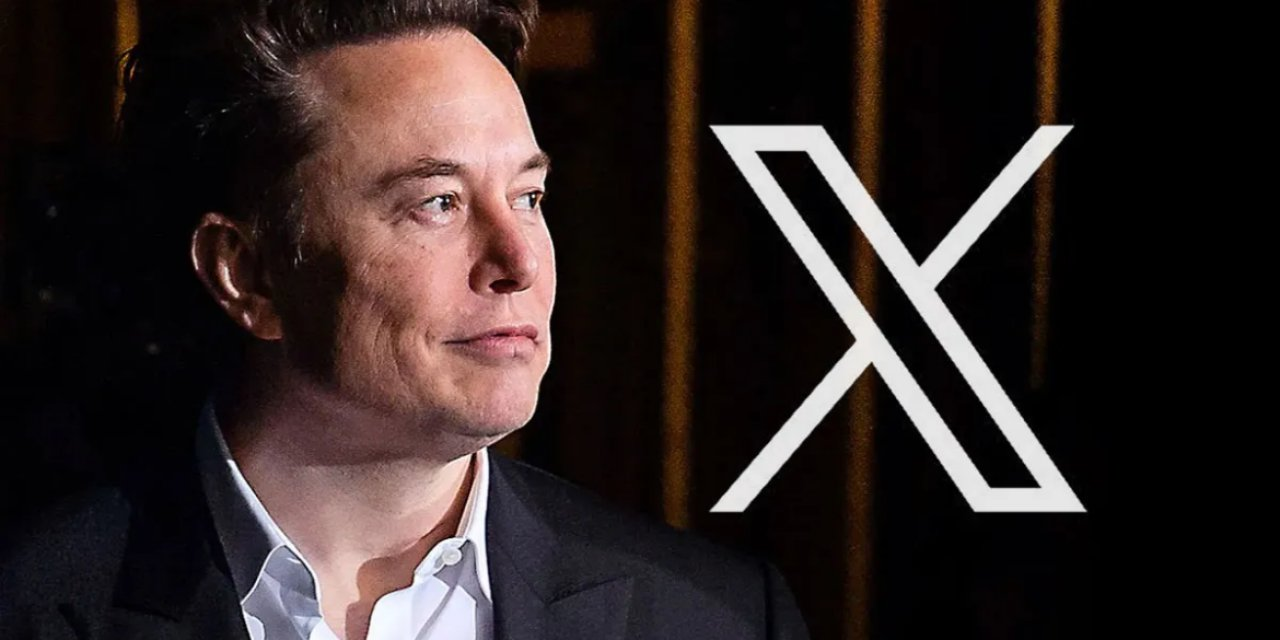
An Indian court has dismissed X’s legal bid to overturn the country’s new content removal system, ruling that the social media platform—owned by Elon Musk—must comply with local laws despite its claims that the mechanism amounted to censorship.

The case centered on Prime Minister Narendra Modi’s tightened internet regulations introduced in 2023. The rules allow a wider range of government officials to issue takedown orders directly through a centralized government website launched in October.

X had argued the measures were unconstitutional and gave “every Tom, Dick, and Harry” the power to censor speech online. But Justice M. Nagaprasanna of Karnataka’s high court rejected the claim, stating: “Every platform that seeks to operate within the jurisdiction of our nation must accept that liberty is yoked with responsibility.”

The ruling follows months of legal battles between X and government lawyers. India’s government defended the system as a way to combat unlawful online content, misinformation, and material it says spreads hate and division, while ensuring greater accountability for platforms.

Officials also noted that other tech giants, including Meta and Google, support the government’s approach.

X, which has repeatedly clashed with authorities worldwide over compliance demands, now faces the possibility of appealing the decision to India’s Supreme Court.
Tether Appoints Ex-Google, Limestone Capital Executive as Chief Business Officer

Tether announced on Wednesday that it has named Benjamin Habbel as its new chief business officer, as the crypto firm expands its strategy beyond digital assets.

Habbel previously served as CEO of private equity firm Limestone Capital and held senior roles at Google. At Tether, he will oversee growth strategy, finance, investment, and portfolio expansion, while also working with the company’s diverse portfolio.

Tether’s investments already span artificial intelligence, telecommunications, bitcoin mining and energy, cloud computing, and real estate. Last year, the company invested $200 million to acquire a majority stake in U.S.-based brain implant company Blackrock Neurotech.

“Tether isn’t just a stablecoin company — it’s The Stable Company,” said CEO Paolo Ardoino, adding that Habbel’s appointment will accelerate Tether’s transformation into a broader technology and financial services powerhouse.

Headquartered in El Salvador, Tether is the issuer of the world’s largest stablecoin, USDT, which is pegged to the U.S. dollar and has a market capitalization of about $173 billion, according to CoinGecko.

The move comes as Tether looks to expand in the United States, where crypto firms are benefiting from President Donald Trump’s supportive stance on the sector and the launch of a U.S.-focused stablecoin, USAT.

Google fights DOJ push to break up ad tech business as antitrust trial opens

Alphabet’s Google is back in court, facing a U.S. Department of Justice (DOJ) bid to force it to divest parts of its online advertising empire. The antitrust trial, which opened Monday in Alexandria, Virginia, could reshape the digital ad market if the government succeeds.

The DOJ and a coalition of states want Google to sell its ad exchange AdX, which charges publishers a 20% fee to auction ads in real time, and to make the auction’s decision-making mechanism open source. Prosecutors argue that only structural remedies like divestiture can address Google’s illegal monopolization, after U.S. District Judge Leonie Brinkema ruled earlier this year that Google unlawfully tied AdX to its publisher ad server.

“Leaving Google with the motive and the means to recreate that tie is simply too great a risk,” DOJ attorney Julia Tarver Wood said in opening statements.

Google’s lawyer Karen Dunn pushed back, calling the proposals “radical and reckless,” claiming they would harm competition by giving regulators “broad and unparalleled power” over a major tech platform. Instead, Google has offered policy changes that would make it easier for publishers to work with rivals — but the DOJ insists such tweaks are insufficient.

The trial follows a recent DOJ loss in a separate search monopoly case, where a Washington, D.C. judge refused to impose most of the government’s remedies. But prosecutors argue this case is different, since ad tech is the monopoly itself rather than just a distribution method.

Industry stakeholders are closely watching the outcome. Grant Whitmore of Advance Local, which runs local news outlets in eight states, testified that Google’s control of advertiser tools, publisher tools, and the AdX exchange “offers a lot of opportunities for Google to continue to put their thumb on the scale.” He said Google should also be forced to sell its publisher ad server.

Google has previously floated selling AdX to settle an EU investigation, according to Reuters, and internal documents from those talks may surface during this trial.

The case is part of a broader bipartisan effort to curb Big Tech power, with ongoing actions against Meta, Amazon, and Apple. The stakes are high: a forced breakup of Google’s ad tech stack would mark one of the most significant antitrust interventions in the digital economy’s history.