Yazılar

Google Announces Android 16 QPR1 Update to Bring Lock Screen Widgets to Smartphones

With the launch of Android 15 QPR2 in December, Google introduced lock screen widgets for tablets, starting with the Pixel Tablet. This move sparked curiosity among smartphone users about when, or if, the same feature would be available on their devices. Now, it seems their questions will soon be answered. During its Spotlight Week, which focuses on enhancing widgets, Google revealed that smartphones will finally gain lock screen widgets with the Android 16 QPR1 update.

The addition of lock screen widgets in Android 16 QPR1 is designed to provide users with a more personalized experience right from the moment they unlock their devices. In an official FAQ page titled “Widgets on lock screen,” Google explained that these widgets will allow users to check the time, set alarms, track vital information, read stock updates, and even control smart home devices like lights and thermostats—all directly from the lock screen. This update will give users quick access to essential tools without the need to unlock their phones or navigate through apps.

Android 16 QPR1’s lock screen widgets will be available in the Android Open Source Project (AOSP) for both smartphones and tablets, with the update expected to roll out in late summer 2025. While this feature will be included for all devices running Android 16 QPR1, it will initially be limited in customization options. OEMs (Original Equipment Manufacturers) will not be able to modify the lock screen widget’s user interface at launch. Instead, the feature will offer a consistent experience across all devices, with the option for manufacturers to pre-set default widgets that automatically appear on their devices.

This move is expected to further enhance the functionality of Android’s lock screen, making it a more dynamic and user-friendly part of the device experience. Users will be able to interact with their most important apps and settings without unlocking their phones, streamlining tasks and improving efficiency. As smartphone use continues to evolve, this update to Android 16 QPR1 marks another step toward a more customizable and seamless user interface.
Big Tech Challenges YouTube’s Exemption from Australia’s Ban on Social Media for Children

Tech giants including Meta Platforms (owner of Facebook and Instagram), Snapchat, and TikTok have voiced strong opposition to Australia’s decision to grant YouTube an exemption from its new law banning social media access for children under the age of 16. The landmark legislation, which was passed by the Australian parliament in November, sets some of the most stringent social media regulations globally. The law requires platforms to prevent minors from logging in to their services or face hefty fines of up to AUD 49.5 million (approximately $31 million or Rs. 269 crore).

Under the current provisions, YouTube stands as the only platform exempt from the age restriction due to its status as an educational tool. The platform is considered essential for learning and is the only service allowed for children through family accounts with parental supervision features. While YouTube maintains that it offers safeguards for young users, such as restricted access to certain content through Family Link, critics argue that the platform still exposes children to the same risks outlined by the government in the new law. These risks include algorithmic content recommendations, social interactions, and potential exposure to harmful or inappropriate material.

Meta has voiced concerns about the YouTube exemption, stating that even children using YouTube under family accounts are still subjected to many of the features that the government’s legislation seeks to control. In a blog post, the company argued that YouTube’s exemption contradicts the reasons for implementing the law in the first place. The tech giant called on the Australian government to apply the law equally across all social media platforms, ensuring that YouTube does not receive preferential treatment in this regard.

TikTok, too, has raised objections to the exemption, calling it “illogical, anticompetitive, and short-sighted.” The company submitted a statement urging the government to maintain consistency in enforcing the law across all platforms. TikTok argued that creating exceptions for specific platforms like YouTube undermines the integrity of the legislation, potentially giving one company an unfair advantage over others in terms of user access and content exposure. As the law’s implementation deadline approaches, the debate over YouTube’s exemption continues to stir tensions within the tech industry.

Google’s March Pixel Drop Introduces Gemini Live Enhancements, Scam Detection in Messages, and More Features

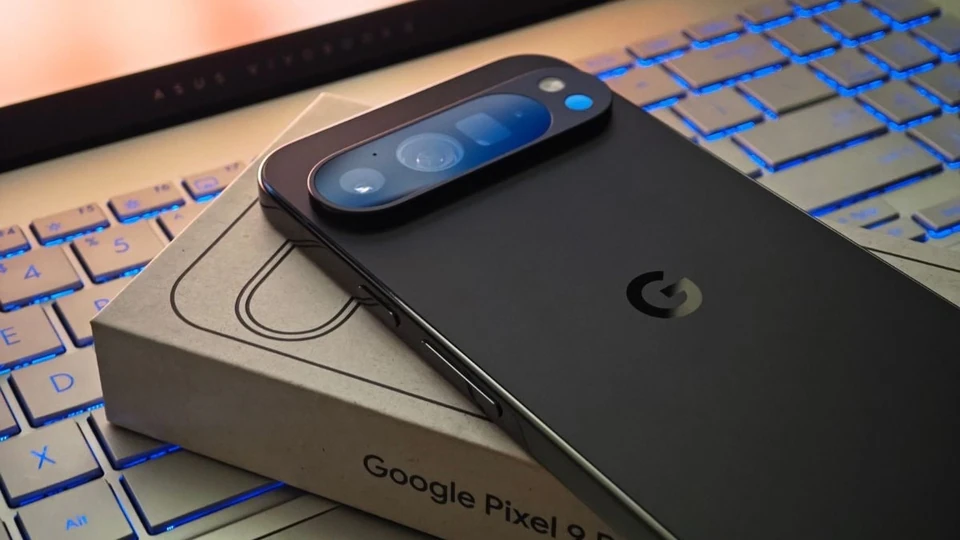
Google launched the highly anticipated March Pixel Drop on Tuesday, rolling out a host of new features for compatible Pixel devices. This marks the first Pixel Drop of 2025, bringing a range of exciting updates. One of the key highlights is the upgraded Gemini Live, a conversational AI tool now capable of understanding and interacting in over 45 languages. This expanded language support means users can converse with the AI seamlessly without the need to adjust settings. Gemini Live’s multimodal capabilities, which allow the addition of images, files, and YouTube videos to enrich conversations, will be available on Pixel 6 and newer models, as well as the Pixel Fold. In the coming weeks, Google plans to roll out live video and screen sharing features, taking conversations with Gemini Live to the next level.

Another exciting update comes to the Pixel Screenshots app, which now includes a new Suggestions feature. This tool offers recommendations for screenshots that users might want to add to their collection, making it easier to organize and recall important images. Additionally, the app will now support work profiles, enhancing its utility for business and productivity-focused users. Alongside this, Pixel Studio has received a major update, allowing users to create unique images of people simply by providing text-based descriptions. This new tool makes it easy to share personalized images with friends and family, expanding the creative possibilities within the Pixel ecosystem.

The March Pixel Drop also introduces a feature called Connected Cameras, which enables Pixel users to connect their phones to other cameras, such as GoPro devices or another Pixel phone. This feature allows users to stream on social media from different angles, offering a more dynamic and engaging experience for content creators. Whether for personal use or professional broadcasting, Connected Cameras provide a new way to capture and share moments from multiple perspectives.

In addition to these features, the Pixel Drop expands the availability of several services, including Pixel Screenshots, Pixel Studio, and Pixel AI weather reports, to new regions. Japan and Germany will now have access to the Weather app’s pollen tracker, while Japanese speakers can also enjoy AI-powered summaries in the Recorder app. With the March Pixel Drop, Google continues to enhance the Pixel experience with a variety of new tools designed to improve productivity, creativity, and user interaction.