Yazılar

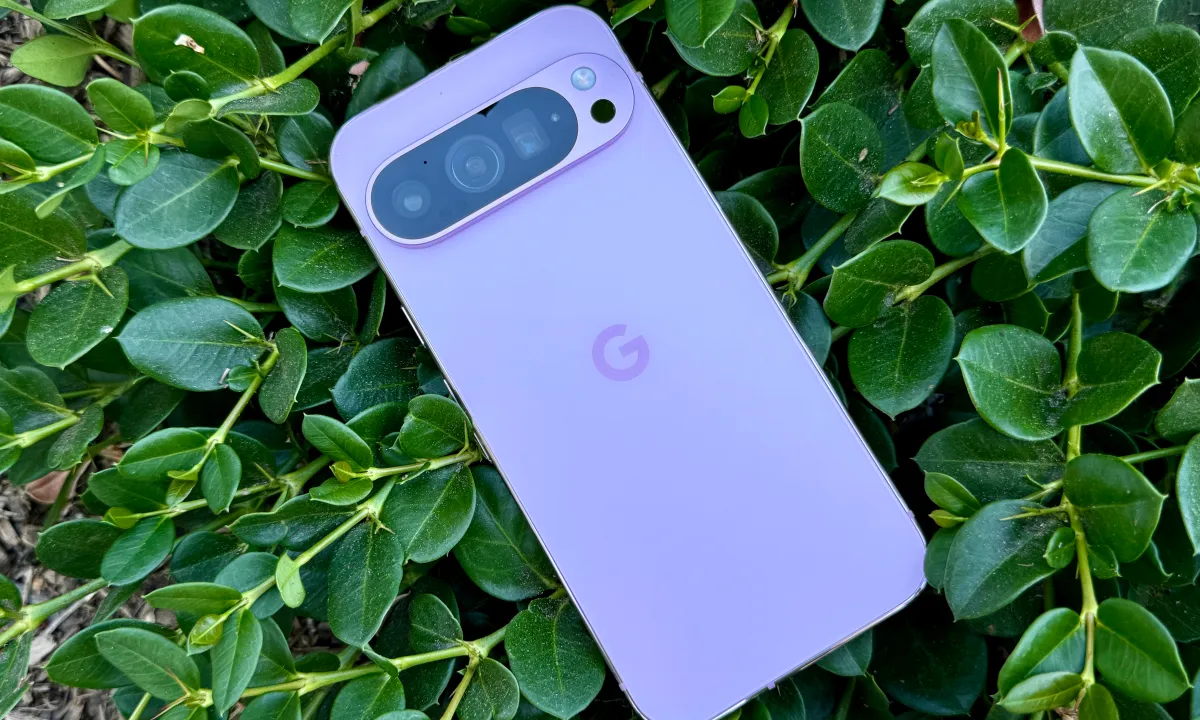
Google Pixel 10 Series to Feature New ‘Pixel Sense’ Contextual Assistant

The upcoming Google Pixel 10 series is set to introduce an innovative new feature—Pixel Sense, a contextual AI assistant designed to provide a more personalized and intuitive user experience. Unlike its predecessors, Pixel Sense will leverage on-device processing, meaning that it will rely less on cloud-based data and more on data already stored on the device. This shift is expected to allow for faster, more secure responses while maintaining user privacy. With the ability to work seamlessly with various Google apps, Pixel Sense aims to offer more relevant and timely information to users.

Pixel Sense is expected to integrate deeply with multiple Google applications, including Google Calendar, Gmail, Chrome, Google Maps, YouTube, and many others. This integration will allow the assistant to offer context-aware suggestions, reminders, and alerts based on the user’s activity across these apps. For example, if a user has an upcoming meeting in Google Calendar, Pixel Sense might prompt them with travel times via Google Maps, or suggest relevant documents from Google Drive. The assistant’s ability to connect with a wide range of apps makes it stand out as a more robust, all-encompassing tool than previous AI assistants.

The new virtual assistant is anticipated to work on Google’s new Tensor G5 chip, which is expected to be integrated into the Pixel 10 series. This chip will be produced by TSMC and promises improved performance and efficiency. With Tensor G5 powering Pixel Sense, users can expect faster processing, better battery efficiency, and improved AI capabilities. The combination of powerful hardware and the new Pixel Sense assistant could make the Pixel 10 series a game-changer in the smartphone market.

At this point, it’s unclear if Pixel Sense will be exclusive to the Pixel 10 series or if it will eventually be available to older Pixel models. However, the integration with Google’s vast ecosystem of apps suggests that the assistant could evolve into a major feature across various devices, making it a cornerstone of Google’s approach to AI and user experience in the coming years. With the Pixel 10 series set to debut later this year, many are eagerly awaiting how Pixel Sense will enhance the overall smartphone experience.
Gemini for iOS Receives Update with Six New Lockscreen Widgets and Control Centre Integration

Gemini for iOS has received a major update that brings several new lockscreen widgets, enhancing user accessibility and convenience. The update, rolled out on Monday with Gemini for iOS version 1.2025.0762303, introduces six new widgets designed to provide quicker access to specific features within the app. With these additions, iPhone users can now interact with the Gemini app directly from their lockscreen without needing to unlock their devices. This update is part of Google’s ongoing effort to improve the functionality and usability of its AI-powered app, providing a more seamless experience for users.

The new lockscreen widgets are diverse, offering a range of features tailored to different needs. One of the most useful additions is the “Type Prompt” widget, which allows users to type a query directly from the lockscreen and receive a response without unlocking the phone. Another exciting widget is “Talk Live,” which opens Gemini Live for real-time, two-way conversations with the AI assistant. This is the quickest way to access Gemini Live, eliminating the need for a multi-step process. Additionally, the “Open Mic” widget enables users to use voice commands by simply opening the microphone, making it easier to interact with the app hands-free.

The other two widgets, “Use Camera” and “Share Image,” are particularly helpful for users looking to interact with visual content. The “Use Camera” widget opens the camera instantly, allowing users to capture an image and send it to Gemini for analysis. Similarly, the “Share Image” and “Share File” widgets allow users to quickly share images or files with Gemini and ask related queries, expanding the app’s utility in various contexts. Notably, all six widgets can also be set as corner buttons on the iPhone’s lockscreen, further enhancing their accessibility.

Alongside the lockscreen widget update, Google also introduced new Gemini Live features at the Mobile World Congress (MWC) 2025 in Barcelona. These new capabilities were showcased to demonstrate how the app is evolving, with real-time interaction and advanced functionality becoming integral parts of the Gemini experience. With these updates, Gemini continues to solidify its position as a powerful and convenient AI tool, now with even more ways for users to interact and access its features on the go.

Oppo Unveils Gemini Integration and New AI Features Across First-Party Apps at MWC 2025

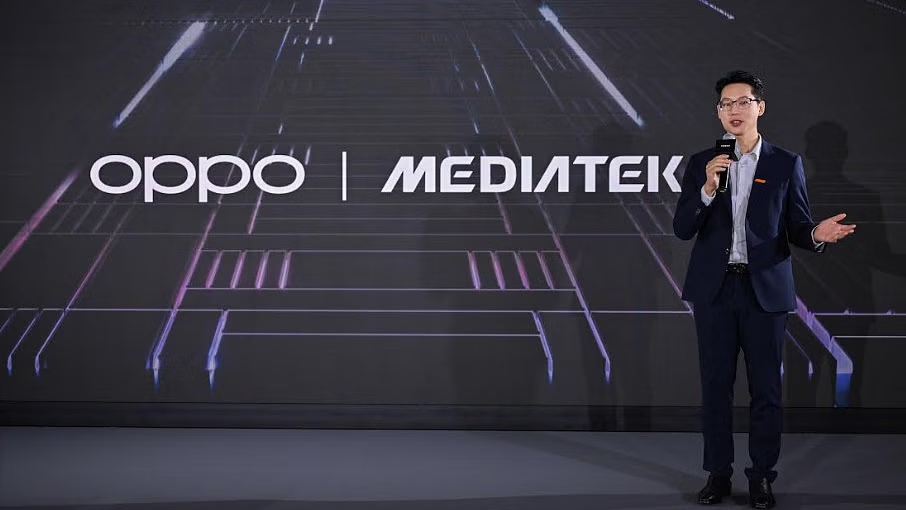
At the Mobile World Congress (MWC) 2025 in Barcelona, Oppo unveiled a series of exciting new artificial intelligence (AI) developments, showcasing the company’s commitment to enhancing user experiences. A standout announcement was the integration of Google’s Gemini AI across Oppo’s first-party apps, which aims to offer users a more seamless and intuitive AI assistant experience. In addition to this integration, Oppo previewed several new AI features that will be rolled out in the coming months, highlighting the company’s push to advance its AI technology in various practical applications. Oppo also introduced its Private Computing Cloud, powered by Google Cloud, to ensure that these innovations maintain the highest standards of privacy and security.

One of the key aspects of Oppo’s new strategy is its deep integration of Google’s Gemini AI into its smartphone ecosystem. The company outlined its vision to evolve the consumer AI experience from a functional-level to a system-level integration. As a result, popular first-party apps such as Notes, Calendar, and Clock will now feature Gemini AI capabilities, allowing users to interact with their devices in a more hands-free, efficient manner. With Gemini’s expanded role, users will be able to simply ask the AI to perform tasks like creating a note, scheduling a calendar event, or setting an alarm, making daily operations smoother and more convenient.

This integration of Gemini across Oppo’s first-party apps marks a significant step forward in AI adoption within the smartphone industry. It not only enhances the usability of these essential apps but also offers a more personalized and context-aware experience. By building Gemini’s capabilities directly into apps users rely on daily, Oppo is positioning itself as a leader in AI-driven smartphone experiences. The integration of AI within these apps will likely resonate with users who value ease of use and productivity, as it streamlines the process of managing tasks and scheduling events.

Additionally, Oppo is ensuring that its AI advancements are built on a foundation of privacy and security. With the launch of the Private Computing Cloud powered by Google Cloud, Oppo is taking significant strides in safeguarding user data while offering cutting-edge technology. The new cloud service is designed to support confidential computing, ensuring that personal data is protected while AI-driven features perform complex tasks. Oppo’s focus on privacy in the age of AI demonstrates its commitment to providing not only innovative technology but also responsible and secure usage for its users.