Yazılar

Trump’s DOJ Pick Says Resources Key in Big Tech Antitrust Cases

Gail Slater, President Donald Trump’s nominee to lead the U.S. Department of Justice’s antitrust division, told a Senate confirmation hearing on Wednesday that resource availability would be a critical factor in pursuing high-profile cases against Big Tech.

Slater, an experienced antitrust lawyer and economic adviser to Vice President JD Vance, would oversee cases targeting monopolistic practices if confirmed as the DOJ’s assistant attorney general for antitrust.

Senator Mike Lee, a Republican from Utah and head of the antitrust subcommittee, questioned Slater about her stance on ongoing litigation against Apple, Google, and other tech giants—cases initiated during Trump’s first term and carried over into the Biden administration.

Slater acknowledged the complexities and high costs of such lawsuits. “Resources are of course a very important consideration in antitrust litigation, in taking cases further. It is very complex civil litigation and costly, so that will be a consideration,” she said. She also pledged to advocate for sufficient resources to continue enforcement.

The DOJ is actively suing Google for its dominance in online advertising markets and recently won a case confirming Google’s illegal monopoly in online search. Additionally, the DOJ and state attorneys general have accused companies like Apple, LiveNation, and Visa of anticompetitive practices.

Slater expressed her commitment to collaborating with state attorneys general from both parties on these cases.

Senator Cory Booker, the ranking Democrat on the Senate’s antitrust committee, voiced concerns about how efforts by Tesla CEO and Trump adviser Elon Musk to downsize the federal workforce could hinder the DOJ’s antitrust enforcement. “Any efforts by Musk and Trump to fire or push out federal employees charged with enforcing our antitrust laws will hurt Americans at a time when families are struggling,” Booker said.

Slater’s background includes positions at Fox Corp and Roku, as well as representing major tech firms at the now-defunct Internet Association. She began her career at Freshfields Bruckhaus Deringer and spent a decade at the Federal Trade Commission.
Quantum Computing Startup QuEra Secures $230 Million Funding Round

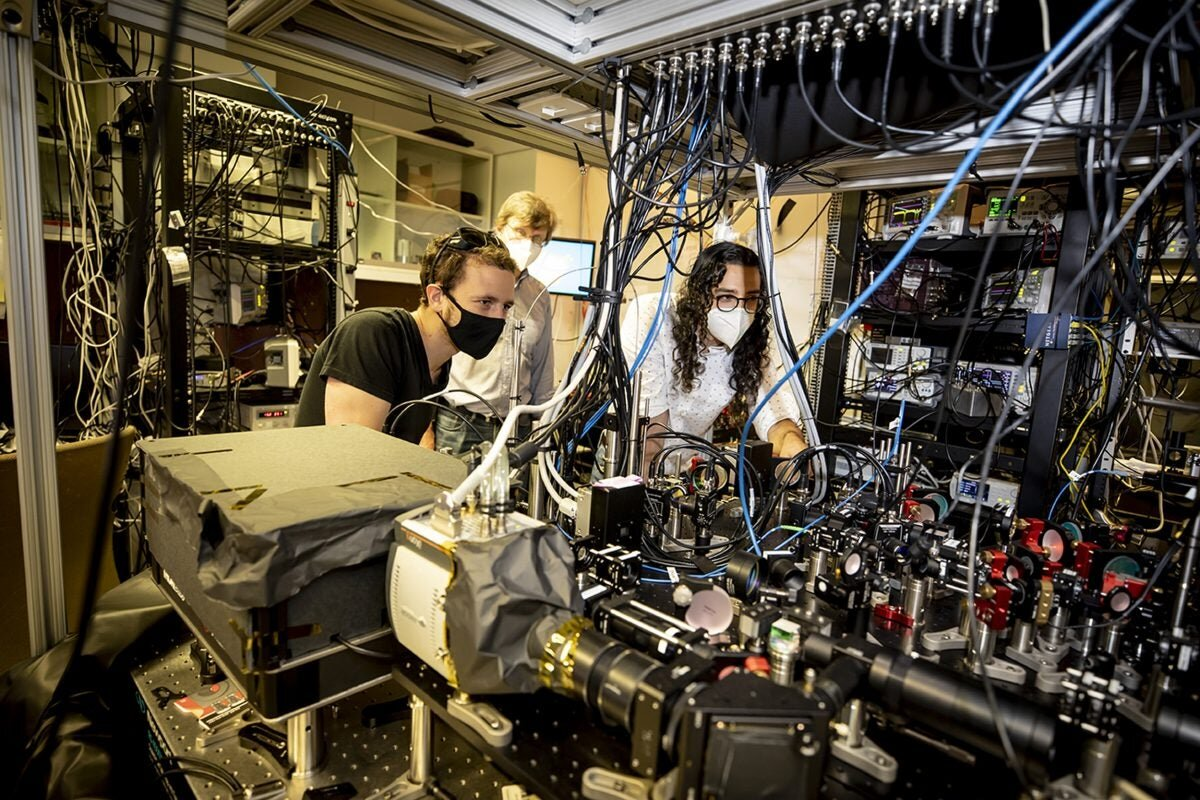
QuEra Computing, a neutral-atom quantum computing startup, announced on Tuesday that it has successfully closed a funding round exceeding $230 million. The round saw participation from significant investors, including Google’s Quantum AI business unit and SoftBank Vision Fund, among others. However, the company did not disclose the valuation at which the funds were raised.

Neutral-atom quantum computing, the core technology QuEra specializes in, offers advantages over other quantum systems by enhancing scalability and reducing error rates. This technology works by using lasers to manipulate small, uncharged atoms such as rubidium or strontium, making it a promising avenue for advancing quantum computing.

The Boston-based firm confirmed that $60 million of the $230 million raised will be received in the near future, contingent on meeting a prerequisite funding condition, which is currently underway.

QuEra plans to allocate this funding toward the development of fault-tolerant quantum computing technology. This technology aims to enable quantum computers to reliably perform computations, even in the presence of errors, a key challenge in the field.

Major tech players like Google, Microsoft, and IBM continue to support the development of quantum computing, recognizing its potential to revolutionize computing power and deliver speeds far beyond the capabilities of today’s advanced systems. Google recently made headlines in December by overcoming a major quantum computing challenge with the release of a new generation of chips. The company has also stated that it expects commercial quantum computing applications to emerge within the next five years.

T-Mobile and Starlink to Launch Satellite Connectivity for $15 a Month

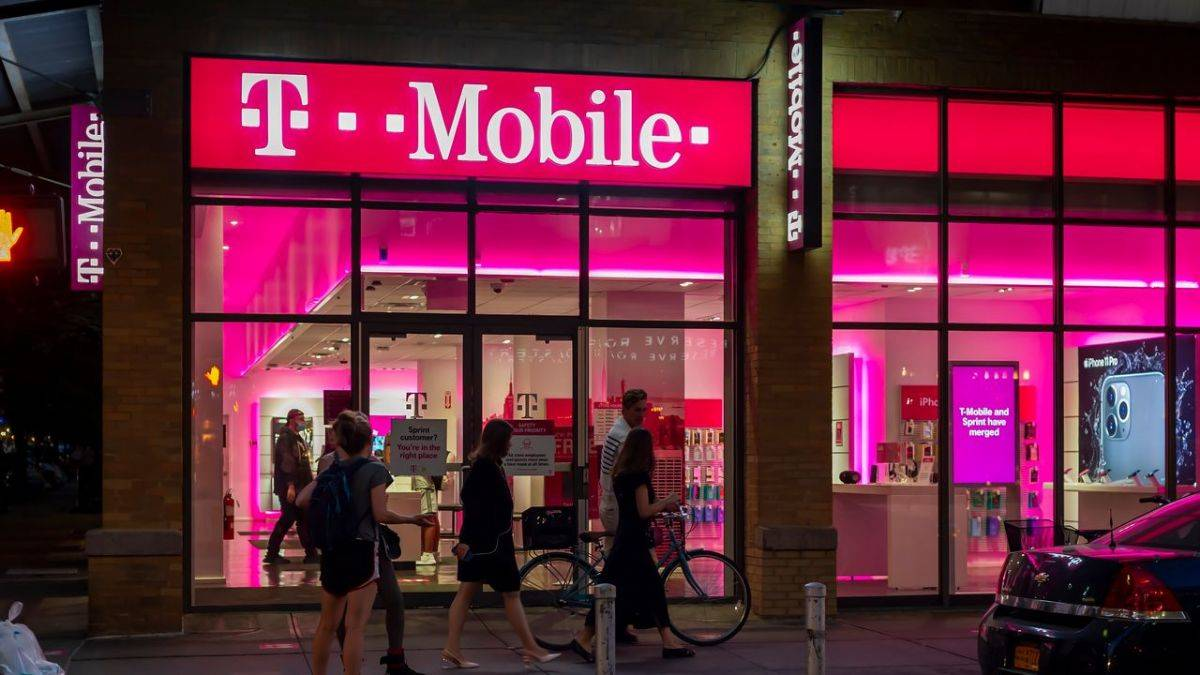
T-Mobile has announced that it will launch its satellite-to-cell service, powered by SpaceX’s Starlink, in July at a cost of $15 per month. The initiative aims to eliminate mobile dead zones and provide connectivity to remote areas, marking a significant advancement in mobile technology. T-Mobile’s shares rose by approximately 4% in premarket trading on Monday following the announcement.

The satellite service will address coverage gaps in regions of the U.S. that are inaccessible by traditional cell towers, with T-Mobile stating that 500,000 square miles of such areas will now have connectivity. A beta trial for the service began on Sunday, with T-Mobile offering the service free to customers until the official launch. After that, the service will be included at no additional cost for customers on the premium Go5G Next plan. Other plan customers will receive a 33% discount when the service officially launches.

In a groundbreaking move, T-Mobile will make the Starlink service available to customers of all U.S. wireless providers, including AT&T and Verizon, without requiring them to switch. The initial beta version of the service will provide text messaging via satellite, with voice and data features planned for later.

Mike Katz, T-Mobile’s president of marketing, strategy, and products, emphasized that the service is unique in the U.S. and will work across most smartphones from the last four years, thanks to partnerships with Apple and Google for seamless integration with their operating systems. This satellite service is expected to revolutionize connectivity for users in hard-to-reach areas.