Yazılar

FBI Issues Urgent Warning for All Gmail Users Over New Cookie-Based Hack

The FBI has issued an urgent warning for Gmail users worldwide after detecting a new wave of cyberattacks exploiting a session cookie vulnerability that allows hackers to bypass two-factor authentication and gain full access to victims’ accounts.

With over 1.8 billion users globally, Gmail is one of the most popular email platforms — and also one of the most targeted by cybercriminals. According to the FBI, attackers are using sophisticated techniques to steal login cookies from infected devices, granting them access not just to Gmail accounts, but also to connected services like social media, online banking, and cloud storage.

The attack begins when victims unknowingly click malicious links or visit fake websites, downloading malware that silently extracts session cookies — files that store login information so users don’t have to re-enter passwords. Once stolen, these cookies allow hackers to impersonate users and access their accounts without needing credentials or authentication codes.

The FBI warns that this technique effectively neutralizes two-factor authentication, long considered one of the strongest security measures against account hijacking.

To protect users, the agency recommends:

  • Regularly deleting browser cookies.

  • Avoiding the “Remember this device” option when logging in.

  • Only visiting secure websites that use HTTPS.

  • Frequently checking account login history for suspicious activity.

Google has acknowledged that cookie theft affects users across the web and said it is developing new security measures to mitigate the threat, describing the attacks as part of a growing, lucrative cybercrime trend.
Google Agrees to Play Store Changes in Settlement With Epic Games

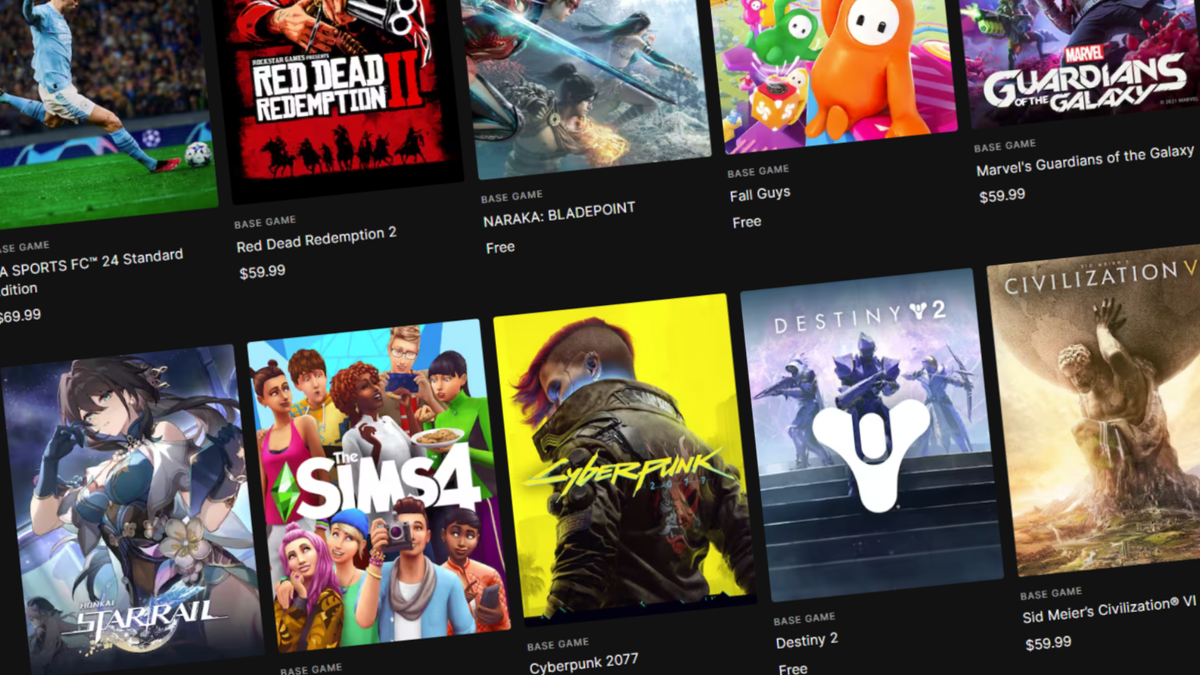
Epic Games Store current free games | PC Gamer

Alphabet’s Google announced on Tuesday that it has reached a comprehensive U.S. court settlement with Epic Games, the maker of Fortnite, to implement a series of Play Store reforms. The agreement, which marks the end of a multi-year legal battle, focuses on lowering app store fees, boosting competition, and expanding choices for both developers and consumers within the Android ecosystem.

In a joint filing submitted to the U.S. District Court in San Francisco, Google and Epic Games requested that Judge James Donato review and approve the proposed settlement. The agreement seeks to resolve Epic’s 2020 antitrust lawsuit, which accused Google of maintaining an illegal monopoly over how users download apps and make in-app purchases on Android devices.

The lawsuit had been one of the most closely watched cases in the global debate over app store dominance and developer fairness, echoing Epic’s earlier legal clash with Apple. Epic argued that Google’s policies restricted competition by forcing developers to use its billing system and pay service fees that limited their ability to offer lower prices or alternative payment options.

While Google has denied any wrongdoing throughout the proceedings, the settlement signals a significant step toward reforming the Play Store’s business model. If approved, the proposed changes could reshape how Android app distribution and monetization work—potentially setting new standards for transparency, competition, and developer empowerment across the mobile ecosystem.

Underwater Cables: The Hidden Arteries of the AI Boom and Global Internet

Deep beneath the oceans lies one of the most crucial — yet least visible — components of modern life: underwater communication cables. Nearly 95% of the world’s international data and voice traffic flows through this vast network of almost one million miles of fiber-optic lines connecting continents.

These cables carry everything from financial transactions and government communications to video calls, cloud services, and AI data transfers. As artificial intelligence grows more data-hungry, investment in subsea infrastructure is accelerating at record speed.

Between 2025 and 2027, global spending on subsea cables is expected to reach $13 billion, nearly double the investment made over the previous three years, according to TeleGeography.

“AI is increasing the need that we have for subsea infrastructure,” said Alex Aime, vice president of network investments at Meta. “Without that connectivity, you just have expensive warehouses.”

Tech giants are now the biggest investors. Meta’s Project Waterworth, a 50,000-kilometer cable linking five continents, will be the longest in the world. Amazon’s Fastnet, connecting the U.S. and Ireland, will deliver speeds equivalent to streaming 12.5 million HD movies simultaneously. Google has funded over 30 subsea systems, while Microsoft has invested in others to bolster its Azure cloud network.

But as global reliance on these cables deepens, so do concerns about security and resilience. Damaged or sabotaged cables can cut off entire nations — as seen when Tonga lost internet access after a volcanic eruption in 2022.

While most damage stems from accidents — fishing nets or dropped anchors — analysts have noted a rise in suspected sabotage near Taiwan and in the Baltic Sea, often coinciding with geopolitical tensions. In response, NATO launched “Baltic Sentry” in early 2025 to protect critical subsea infrastructure.

The U.S. Federal Communications Commission (FCC) has also tightened rules on foreign ownership of cable systems, citing threats from China and Russia. “We’re making it difficult to connect undersea cables directly from the U.S. to adversary nations,” said FCC Chair Brendan Carr.

From the 1850 telegraph line between Dover and Calais to AI-era fiber networks, subsea cables remain the unseen lifeline of global communication — and the quiet battleground of the world’s next digital conflict.