Yazılar

Southeast Asia’s Digital Economy Sees Slower Private Funding Growth Despite AI Boom

Private funding for Southeast Asia’s digital economy rose 15% year-on-year to $7.7 billion in the 12 months to June 2025, lagging the global private investment growth rate of 25%, according to a new report by Google, Temasek Holdings, and Bain & Company.

While the figure marks an improvement from 2024, it remains about 70% below the region’s 2021 record high of $27 billion, reflecting a slower recovery from the post-pandemic investment cooldown.

The report found that funding is increasingly concentrated in late-stage rounds, with the share of seed-to-Series B deals dropping from around 30% to 20% over the past year.

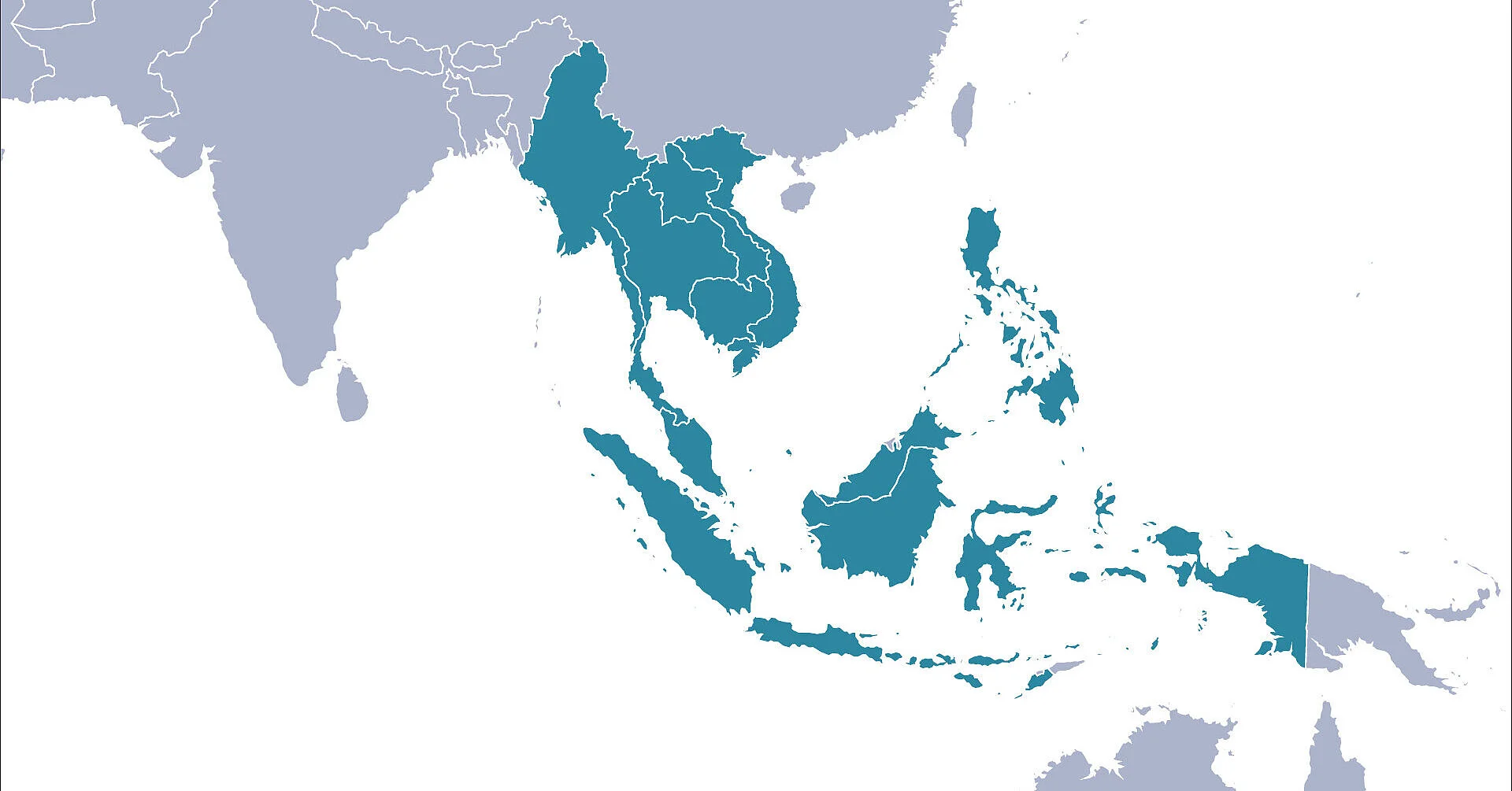
This year’s edition expanded its coverage to include Brunei, Cambodia, Laos, and Myanmar, alongside Indonesia, Thailand, Vietnam, Singapore, Malaysia, and the Philippines — a region of nearly 700 million people and one of the world’s fastest-growing internet markets, driven by a young population and rising smartphone use.

Despite the funding slowdown, AI startups remain a bright spot, attracting 32% of all private capital in the region during the first half of 2025 — up slightly from 30% in the second half of 2024. Over 680 AI startups secured more than $2.3 billion, with Singapore hosting more than 495 of them.

The report also highlighted rapid data center expansion, as countries rush to build infrastructure for the AI boom. Data center capacity in Southeast Asia is expected to grow 2.8 times, surpassing the 2.2 times growth forecast for the wider Asia-Pacific.

Malaysia leads this expansion, with 2,415 MW of new capacity planned — more than half the region’s total 4,620 MW — attracting major investments from Microsoft, Amazon, Google, Tencent, Huawei, and Alibaba.

Meanwhile, TikTok plans to invest $4 billion in data hosting facilities in Thailand, while Google and Amazon are each investing $1 billion and $5 billion respectively in the country, underscoring the growing competition in Southeast Asia’s digital infrastructure landscape.

Jio Launches Free Google AI Pro Subscription for All Ages – Here’s How to Claim

What is Google AI Mode? • Yoast

Reliance Jio has started offering an 18-month free subscription to Google AI Pro for its users, expanding access beyond the initial 18–25 age group. The Indian telecom giant had announced its partnership with Google last week, promising free access to Gemini for a year and a half. While the initial rollout targeted younger users, the company has now made the offer available to all age groups, allowing a wider audience to experience the premium AI features.

To claim the free subscription, users must have an active Jio SIM card with an unlimited 5G plan. Once this basic requirement is met, users can follow a simple process via the MyJio app. From the app’s home page, tap the “Early access” banner, select Claim now, open the prompted web page, review the plan details, and tap “Agree” at the bottom. After completing these steps, users can open the Gemini app to confirm their Pro subscription status.

The Google AI Pro subscription provides several benefits compared to the free tier. Normally priced at Rs. 1,950 per month, the plan grants extended access to the Gemini 2.5 Pro AI model, along with enhanced functionalities such as image generation via Nano Banana and Deep Research capabilities. These features are not available to free-tier users, giving Pro subscribers a more advanced and versatile AI experience.

By offering this free subscription, Jio aims to provide its users with a chance to explore the full potential of AI-powered tools, whether for learning, content creation, or research. The partnership with Google demonstrates Jio’s commitment to technology accessibility and its effort to bring cutting-edge AI innovations to a broader audience across India.

Google Begins Rolling Out Gemini Assistant for Android Auto

Gemini starts rolling out on Android Auto with Live support [Gallery]

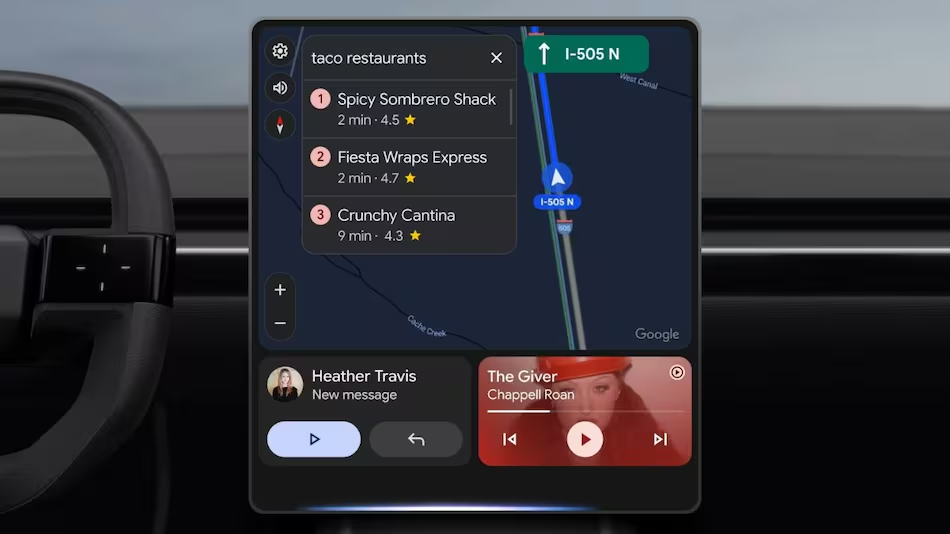
Google has reportedly begun rolling out its Gemini assistant to Android Auto, marking a significant step in integrating AI-driven functionality into the in-car experience. Over the past few days, several users have spotted Gemini appearing in their Android Auto interfaces, suggesting that the Mountain View-based company is gradually introducing the assistant. While it remains unclear whether this rollout is part of a beta program or intended for wider public access, the development follows Google’s initial announcement of the feature at Google I/O in May.

According to a 9to5Google report, Gemini has been observed on Android Auto 15.6 when connected to the Google Pixel 10 Pro XL, and on Android Auto 15.7 when paired with the Samsung Galaxy Z Fold 7. Both of these Android Auto versions are currently in beta, indicating that Google may be using the beta environment to test Gemini’s performance and compatibility before a full-scale launch.

At this stage, there is no official word from Google regarding whether the rollout is exclusively a beta test or the beginning of a broader deployment. Users encountering Gemini in Android Auto might simply be part of an initial controlled rollout, with more devices and regions expected to gain access gradually. This phased approach allows Google to monitor performance, gather user feedback, and make adjustments before releasing the feature globally.

Despite the uncertainty, the introduction of Gemini in Android Auto signals Google’s ongoing push to bring AI assistants deeper into everyday workflows, including in-car navigation and hands-free interaction. By leveraging Gemini’s capabilities, drivers could potentially access smarter route suggestions, contextual reminders, and natural language queries, enhancing both convenience and safety for Android Auto users in the near future.