Yazılar

Google-Backed Isomorphic Labs Delays Clinical Trial Timeline

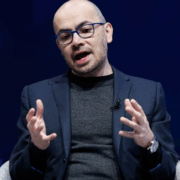
Isomorphic Labs, an artificial intelligence-driven drug discovery company backed by Google, now expects to begin its first clinical trials by the end of 2026, marking a delay from its earlier plans, founder and CEO Demis Hassabis said on Tuesday.

Speaking at the World Economic Forum in Davos, Hassabis said the revised timeline reflects the complexity of translating AI-designed drug candidates into human trials. Last year, he had indicated that Isomorphic aimed to have its first AI-developed medicines enter clinical testing by the end of 2025.

Founded in 2021, Isomorphic Labs was spun out of Google DeepMind, which Hassabis also leads. The company applies AI to accelerate drug discovery by improving how potential medicines are designed and evaluated.

Interest in AI-powered drug development has surged as pharmaceutical companies look to shorten research timelines and reduce costs. One of DeepMind’s most prominent achievements, AlphaFold, demonstrated AI’s potential by accurately predicting protein structures, a key challenge in biology.

Isomorphic raised $600 million in its first external funding round last year, led by Thrive Capital, underscoring strong investor confidence despite the longer path to clinical trials.
BBC Set to Strike Content Deal With YouTube, FT Reports

The BBC is planning to produce programmes specifically for YouTube for the first time, as the British public broadcaster looks to diversify revenue streams amid a shift in viewing habits toward online platforms, the Financial Times reported on Friday.

According to the report, the BBC will create tailored shows designed initially for YouTube audiences, which would later also be made available on the broadcaster’s own platforms, including BBC iPlayer and BBC Sounds. The deal could be announced as early as next week, the FT said, citing sources familiar with the plans.

The BBC declined to comment on the report, while Google, which owns YouTube, did not respond to a request for comment outside normal business hours.

The BBC is primarily funded through a licence fee paid by UK households that watch television, allowing its domestic services to remain free of advertising. However, the FT said the YouTube partnership would focus on younger audiences and enable the BBC to generate additional income by running advertisements on content viewed outside Britain.

A limited number of older BBC series may also be made available on YouTube, though this is not expected to be the core of the agreement, the report added.

The move comes as YouTube’s reach in the UK continues to grow. In December, YouTube attracted 51.9 million British viewers, narrowly overtaking the BBC’s 50.8 million, according to Barb Audiences, the UK’s official body for measuring television and video consumption.

Separately, the BBC remains embroiled in legal controversy in the United States. U.S. President Donald Trump is suing the broadcaster for at least $10 billion over the editing of clips from a speech that appeared to suggest he directed supporters to storm the U.S. Capitol on January 6, 2021. The BBC has apologised for the edit, which led to the resignations of its two most senior executives, but has said it will contest the lawsuit and seek its dismissal.

Android 17 Could Introduce a Split Layout for Notifications and Quick Settings

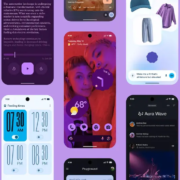
Google appears to be working on a notable interface change that could reshape how Android users interact with notifications and system controls. Instead of the familiar single pull-down shade, the company is reportedly testing a split layout that separates notifications from Quick Settings. This approach is designed to offer a cleaner, more structured experience and may debut with Android 17, following early experimentation seen in unfinished Android 16 beta builds.

Leaks indicate that the redesigned system relies on different swipe gestures to access each panel. Notifications and Quick Settings would no longer stack within the same view, potentially making it easier for users to focus on alerts without visual distractions. The change is also expected to better accommodate larger displays, where a single combined panel can feel cluttered or inefficient.

According to information shared by tipster Mystic Leaks and reported by 9to5Google, the split interface has evolved since its initial appearance in internal Android 16 builds. In the latest leaked version tied to Android 17, swiping down from the left side of the screen reportedly opens the notifications panel, while a swipe from the right edge brings up Quick Settings. This gesture-based separation mirrors navigation patterns already familiar to users of certain Android skins.

If rolled out publicly, the update would align stock Android more closely with custom interfaces from manufacturers such as Samsung and Xiaomi, which already use similar split layouts. Reports suggest Google has addressed earlier visual glitches and usability concerns, indicating the feature is nearing readiness. Should it make the final cut, this redesign would represent one of the most significant changes to Android’s notification system in recent years.