Yazılar

Google Enhances Android Theft Protection With New Security Upgrades

Google announces global rollout of Android Theft protection features,  teases Identity Check

Google has announced a major expansion of its Android Theft Protection system, introducing new features designed to make stolen smartphones far less useful to criminals. The update focuses on protecting user data at every stage of a theft attempt — before, during, and after a device is compromised — reinforcing Android’s security framework.

According to Google, the latest theft protection tools build on existing safeguards by offering users greater control over authentication, improved lockout behaviour, and more robust account recovery options. These enhancements are intended to prevent unauthorised access even if a thief manages to bypass the initial lock screen.

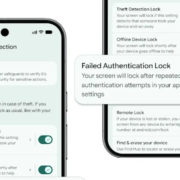
In a recent security blog post, the Mountain View–based company confirmed that the new features are rolling out to devices running Android 16 or later. One key upgrade is the expansion of the Failed Authentication Lock feature, first introduced with Android 15. It now includes a dedicated on/off toggle in settings, allowing users to manage the feature more easily.

Another notable addition is the improved Identity Check system. Apps that rely on Android Biometric Prompt, including third-party banking apps and Google Password Manager, will now require biometric verification when sensitive actions are attempted outside trusted locations. This extra layer of protection ensures that even if a device falls into the wrong hands, critical apps and personal data remain secure.
EU starts proceedings to assist Google in complying with tech rules

The European Commission has launched formal proceedings aimed at assisting Google in complying with the European Union’s Digital Markets Act, a landmark set of rules designed to curb the market power of large technology companies. The move signals closer engagement between EU regulators and Alphabet’s Google as the bloc enforces its new digital competition framework.

The Commission said the proceedings are intended to clarify how Google can meet its obligations under the DMA, which requires designated gatekeepers to ensure fair competition and greater openness in digital markets. Google has already taken steps to comply, including licensing certain search data to competitors and maintaining that its Android operating system is open by design.

However, Google warned that additional requirements could have unintended consequences. A senior company lawyer said some rules appear to be driven by complaints from rivals rather than consumer interests, and argued that excessive constraints could undermine user privacy, security and innovation.

The case highlights the balancing act facing EU regulators as they seek to rein in Big Tech while avoiding measures that could disrupt services used by millions of consumers and businesses across Europe.

Google settles Google Assistant privacy lawsuit for $68 million

Google has agreed to pay $68 million to settle a lawsuit alleging that its Google Assistant voice service improperly recorded private conversations, violating users’ privacy. The proposed class action settlement was filed in federal court in San Jose, California, and awaits approval from a U.S. district judge.

The lawsuit accused Google, a unit of Alphabet, of recording and sharing conversations when Google Assistant was unintentionally activated, a phenomenon known as “false accepts.” Plaintiffs said these recordings were later used to deliver targeted advertising, even though users had not deliberately triggered the assistant with hot words such as “Hey Google” or “Okay Google.”

Google denied any wrongdoing but chose to settle to avoid prolonged litigation and associated costs, according to court documents. The settlement applies to users who purchased Google devices or experienced false activations dating back to May 18, 2016. Attorneys for the plaintiffs may seek up to one-third of the settlement amount for legal fees.