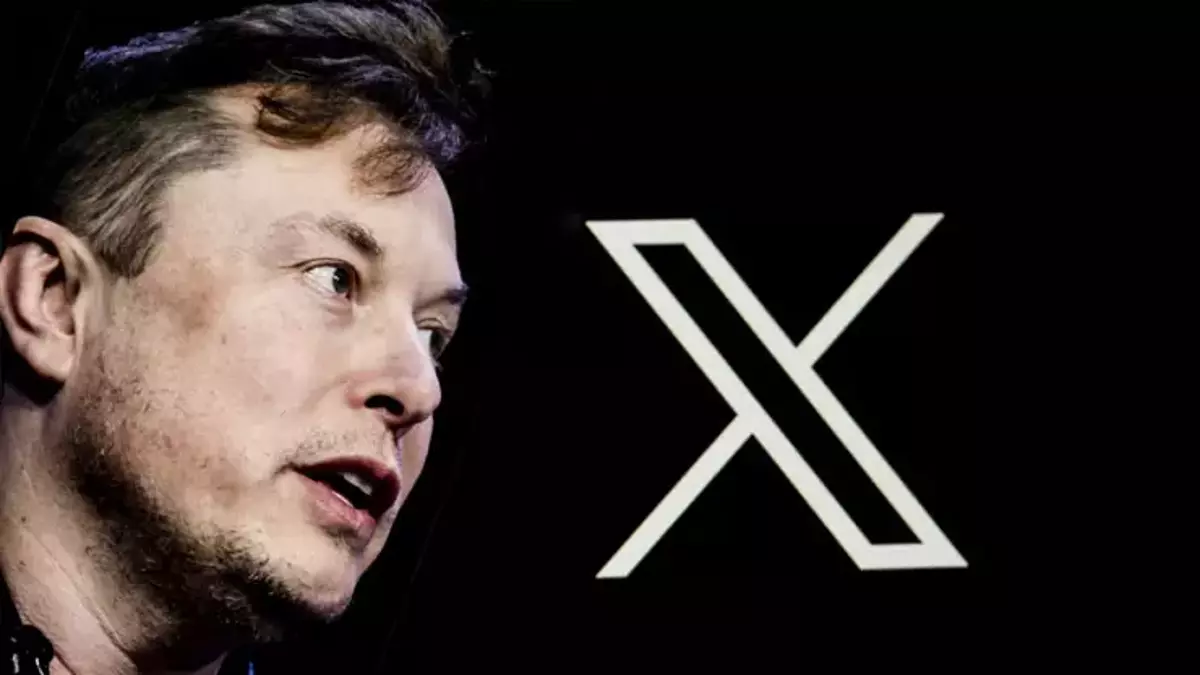
X (Formerly Twitter) Sues Indian Government Over Expanded Censorship Powers
In a new escalation of its legal dispute with India’s government, X, the social media platform formerly known as Twitter, has filed a lawsuit against the Indian Ministry of Information Technology (IT). The platform argues that the government’s expansion of censorship powers has unlawfully facilitated easier content removal, giving “countless” officials the authority to block online content without adequate legal safeguards.
The lawsuit, filed on March 5, claims that the Indian government has launched a new website through the Ministry of Home Affairs that allows government departments to issue content-blocking orders without stringent oversight. X argues that this mechanism bypasses the legal protections previously in place, which required content removal orders to be made only in cases of harm to national sovereignty or public order and were subject to the scrutiny of senior officials.
X’s legal team contends that the new website has created an “impermissible parallel mechanism” for censorship, allowing for “unrestrained censorship of information” within India. The platform is seeking to have the directive quashed in court.
This filing is the latest chapter in the ongoing conflict between X and Prime Minister Narendra Modi’s administration. In 2021, the platform was involved in a standoff with the Indian government over its refusal to comply with orders to block tweets related to a farmers’ protest against government policies. Though X eventually complied with these requests after facing public criticism, the legal challenge surrounding these decisions continues.
The case was briefly heard by a judge in the High Court of Karnataka state earlier this week, but no final ruling was made. The court is scheduled to hear the case again on March 27.