Yazılar

Sam Altman Joins San Francisco’s Transition Team

OpenAI’s Sam Altman Takes on Role in San Francisco’s Government

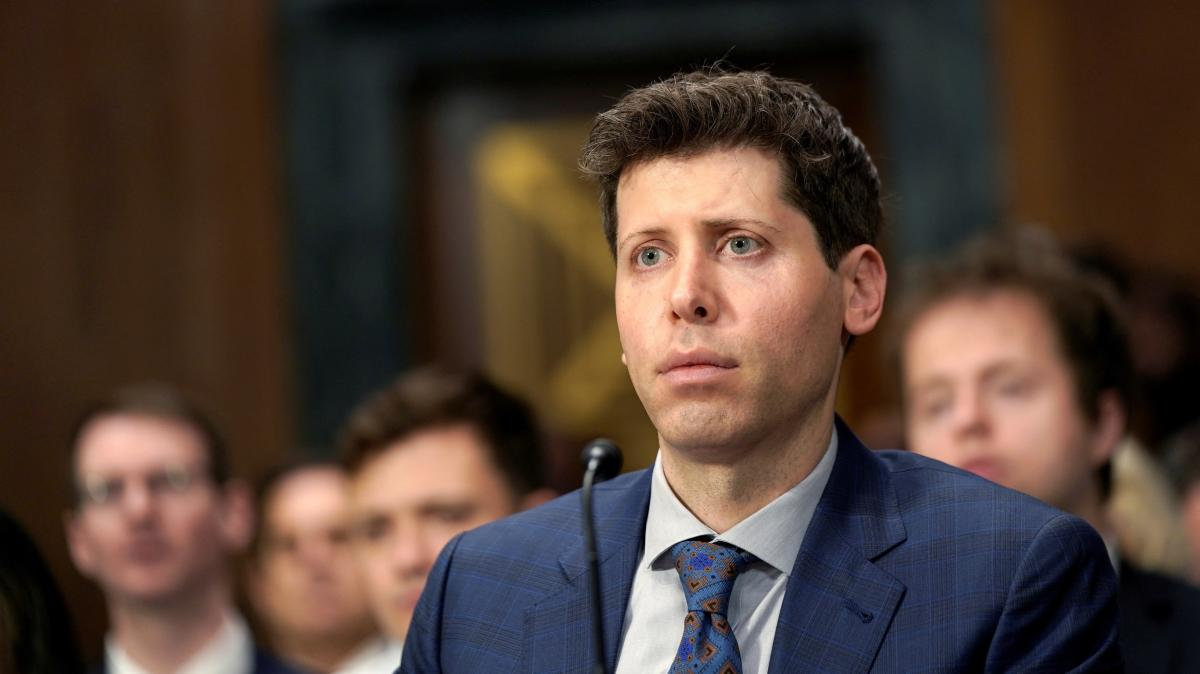
Sam Altman, the CEO of OpenAI, has been appointed as one of seven co-chairs of Mayor-elect Daniel Lurie’s transition team in San Francisco. This appointment marks a growing trend of tech executives stepping into government roles in the city. Altman, whose company is known for developing ChatGPT, joins a group of former Silicon Valley leaders taking up positions in local government following this month’s election.

The increasing influx of tech industry influence into San Francisco has sparked some tensions, as the city, historically associated with counterculture, sees its tech industry expand beyond Silicon Valley into the urban core. San Francisco, facing challenges such as a sluggish post-pandemic economic recovery, homelessness, and drug-related issues, is also shifting politically towards centrist Democratic policies. This transformation is partly fueled by both tech executives and the city’s citizens frustrated with the status quo.


Lurie’s Incoming Administration and Tech Influence

Daniel Lurie, a philanthropist and heir to Levi Strauss fortune, will replace London Breed, the city’s first Black female mayor. Lurie, who takes office on January 8, faces the significant challenge of addressing San Francisco’s public safety crisis, which has prompted many tech leaders to leave the Bay Area. In addition to Altman, Lurie’s campaign was supported by tech figures such as Jan Koum, co-founder of WhatsApp.

Altman’s involvement underscores a broader trend where tech leaders aim to apply their industry expertise to solve urban issues. “I’m excited to help the city I love, and where OpenAI was started,” Altman said in a statement. His participation in the transition team reflects a shift towards a more pragmatic, metrics-driven approach to governance that focuses on quality-of-life issues rather than ideological debates.


Tech’s Role in San Francisco’s Future

Bilal Mahmood and Danny Sauter, both former software entrepreneurs, were also elected to San Francisco’s Board of Supervisors, signaling a wave of tech-driven political change. Mahmood, who has expressed support for more metrics-driven governance, believes the city’s current challenges stem from inefficiencies in its technical infrastructure. He advocates for addressing issues like housing delays and hiring backlogs, areas where tech leaders are well-positioned to make an impact.

These developments suggest a new direction for San Francisco, as its leadership taps into the technical expertise of the Silicon Valley elite to tackle persistent urban issues.


Government Issues Notice to Wikipedia Over Alleged Bias and Editorial Control Issues

The Indian government has issued a formal notice to Wikipedia, questioning the platform’s editorial practices and raising concerns about potential bias and inaccuracies on the site. The Ministry of Information and Broadcasting sent the notice, demanding clarification on why Wikipedia should be treated as an intermediary, rather than as a publisher, with editorial control over its content. This scrutiny comes at a time when Wikipedia is facing a high-profile case in the Delhi High Court, where it is accused of protecting users who made defamatory edits to the page of Asian News International (ANI). The case has raised further questions about the accountability and governance of online platforms that host user-generated content.

The Ministry’s concerns extend beyond just defamation claims, highlighting issues of bias and factual inaccuracies within Wikipedia’s vast repository of articles. Reports indicate that the government has specifically pointed out how editorial control appears to be in the hands of a small group of individuals or specific interest groups, which may affect the neutrality of content. Given the platform’s widespread influence and its role in providing information on a range of topics, the government believes that the platform should be subject to the same accountability standards as traditional publishers, which are legally responsible for the content they distribute.

Wikipedia, however, has long operated under the premise that it is not a publisher but rather an intermediary, relying on a global community of volunteer editors to create and curate its content. This decentralized model allows for a wide variety of perspectives but has also led to criticisms about the accuracy and neutrality of its articles, particularly on contentious topics. Wikipedia’s structure means that anyone can edit articles, which raises concerns about the platform being vulnerable to bias or misinformation, either intentionally or unintentionally.

The government’s notice reflects a growing trend of global scrutiny on large digital platforms and their role in shaping public discourse. As the case against Wikipedia moves forward, it will be interesting to see how the platform responds to these concerns and whether it will implement stronger editorial oversight or transparency measures. The debate around the nature of user-generated content platforms like Wikipedia could have broader implications for how online platforms are regulated in the future, especially in terms of responsibility for the content they host.

Government Launches Chakshu Portal to Combat Cyber Fraud via Phone Calls, SMS, and WhatsApp

Integration of Chakshu and DIP Portals into Government’s Sanchar Saathi Platform Devamını Oku