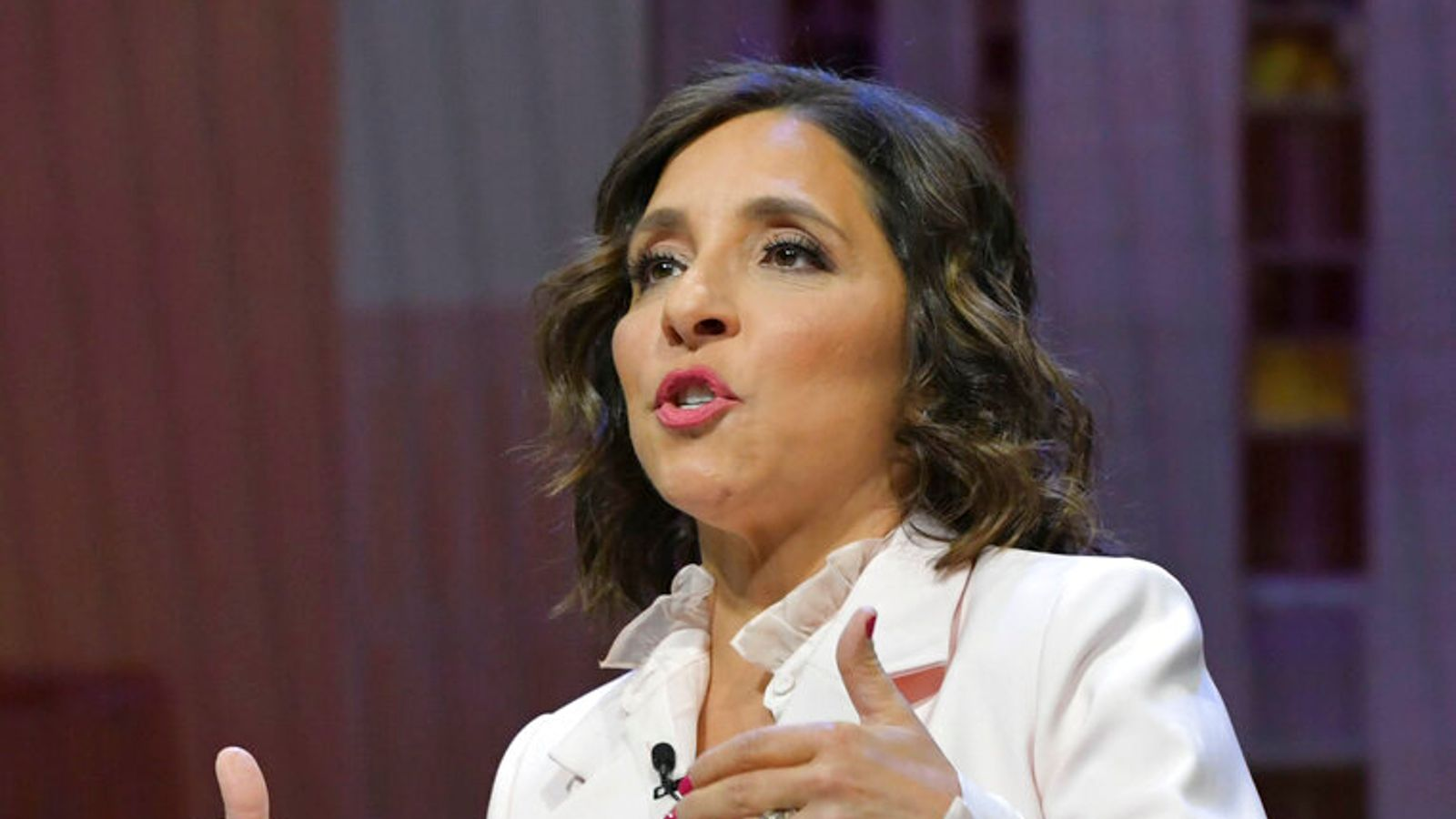
Linda Yaccarino resigns as CEO of X amid AI controversies and advertiser backlash
In a surprise move, Linda Yaccarino announced her resignation as CEO of X, the social media platform formerly known as Twitter, just months after the company was absorbed by Elon Musk’s AI startup, xAI. Yaccarino shared the news via a post on X, stating, “I’ve decided to step down as CEO of X,” though no specific reason was provided for her exit.
The abrupt departure deepens the turmoil surrounding Musk’s tech empire, which includes Tesla, SpaceX, and xAI. Musk responded briefly, writing, “Thank you for your contributions,” in a reply to her resignation post. No successor has been named.
Turmoil at the top
Yaccarino, 61, was appointed in 2023 after a high-profile career at NBCUniversal, where she was chair of global advertising and partnerships. Her mission at X was to repair the platform’s relationship with advertisers, many of whom had pulled back due to a surge in extremist and toxic content under Musk’s leadership.
Her resignation follows closely on the heels of a Grok-related controversy, in which xAI’s chatbot posted content containing antisemitic tropes and praise for Adolf Hitler. The posts, which were removed after a wave of criticism, may have heightened internal tensions. Analysts suggest the Grok incident could have been a breaking point, with some citing a clash of leadership styles between Yaccarino and Musk.
“This may have come to a head when the embedded AI chat Grok started responding to AI posts in an increasingly offensive manner,” said Gil Luria, analyst at D.A. Davidson.
Struggles with advertiser trust
While at X, Yaccarino worked to rebuild advertiser confidence, even launching lawsuits against certain advertisers and industry bodies like the World Federation of Advertisers, alleging collusion and boycotts aimed at hurting the platform’s revenue.
Despite the headwinds, some analysts argue that Yaccarino achieved what she was brought in to do. “She accomplished what she was hired to do,” said Jasmine Enberg of Emarketer, pointing to projected ad growth in 2025.
Still, her efforts were under constant strain due to Musk’s provocative statements and unpredictable governance. Yaccarino often found herself putting out fires, navigating PR crises and internal upheaval while attempting to launch new business features, such as:
-
Partnerships with Visa to develop direct payments,
-
A smart TV app for X content,
-
Preliminary discussions around X-branded debit or credit cards, as reported by the Financial Times.
Wider Musk empire faces instability
Yaccarino’s resignation is the latest in a string of executive departures linked to Musk. At Tesla, the CEO’s longtime associate Omead Afshar and North America HR director Jenna Ferrua left last month. Tesla shares dipped 1% following the Yaccarino news.
Musk, who briefly held a government post earlier this year under the Trump administration, is now juggling several companies while facing mounting scrutiny over content moderation, AI safety, and business ethics.
X is also burdened by heavy debt and remains under pressure from both advertisers and regulators over its content policies and AI integrations.