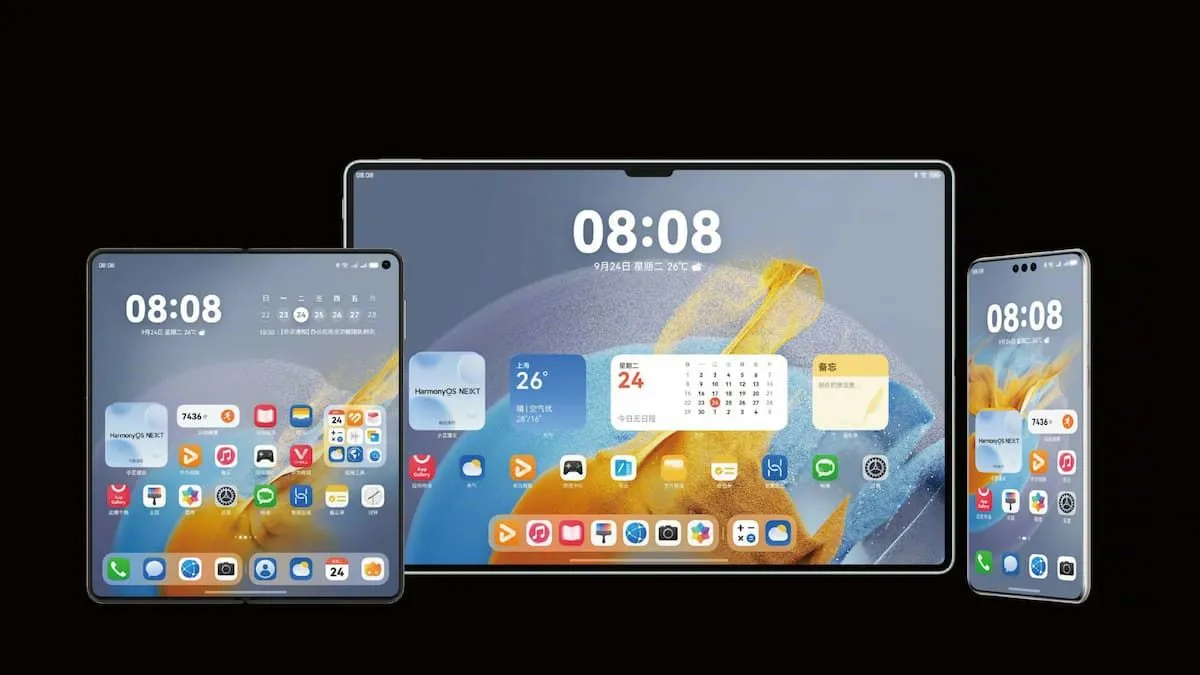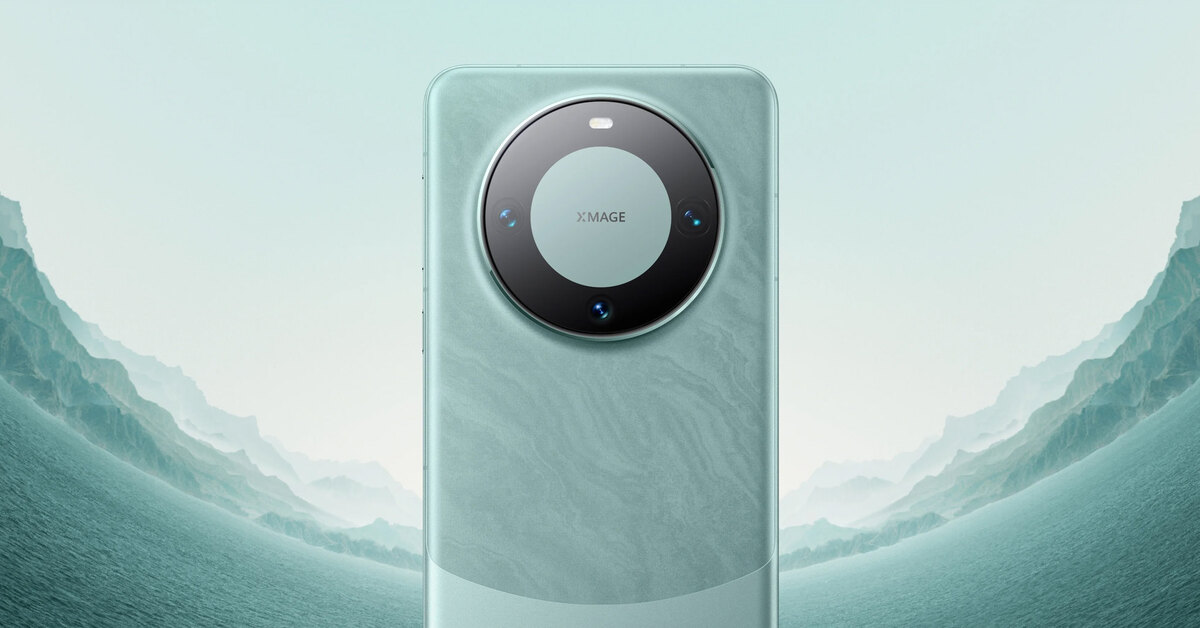
Huawei Unveils Mate 70 Series Running Self-Developed HarmonyOS NEXT
Huawei has introduced its Mate 70 series, the first smartphones capable of running its new proprietary operating system, HarmonyOS NEXT. This marks a significant step in the Chinese tech giant’s journey toward technological independence following years of U.S. sanctions.
The Mate 70 series succeeds last year’s Mate 60, a breakthrough device that showcased Huawei’s ability to produce advanced semiconductors despite U.S. restrictions targeting China’s access to cutting-edge chip technology. While Huawei did not disclose the specific chip powering the Mate 70, Richard Yu, head of the company’s consumer and automotive divisions, confirmed that the phone operates on HarmonyOS NEXT, the first fully self-developed version of the operating system.
A Shift to Independence
Unlike earlier versions of HarmonyOS, which relied on open-source Android code, HarmonyOS NEXT reportedly eliminates that dependency, positioning itself as a potential competitor to Android and iOS in China. Huawei has heavily invested in attracting developers to its ecosystem, a move analysts believe will help the OS gain traction domestically.
Will Wong, senior research manager at IDC, noted that Huawei’s brand recognition and developer engagement efforts could make HarmonyOS NEXT a compelling alternative in the Chinese market.
Revival Amid Sanctions
Huawei’s consumer business faced significant setbacks after U.S. restrictions cut off access to critical technologies. However, the Mate 60 series revitalized the company’s domestic market presence, and the Mate 70 aims to build on that momentum. Pre-release reservations for the device on a Chinese e-commerce platform exceeded 3 million, though this figure doesn’t guarantee equivalent sales.
AI Integration and Models
The Mate 70 series emphasizes artificial intelligence features, including advanced photo editing tools, as Huawei seeks to compete with other Chinese smartphone makers and prepare for Apple’s anticipated AI offerings. The series includes the Mate 70, Mate 70 Pro, and Mate 70 Pro+, with prices ranging from ¥5,499 ($759) to ¥8,499 ($1,172). Huawei also unveiled the Mate X6, a foldable smartphone priced at ¥12,999 ($1,793).
Ecosystem Expansion
The success of an operating system hinges on app availability. HarmonyOS NEXT supports popular applications like Alipay, showcasing AI-driven interactions to enhance user experience. Huawei plans to roll out software updates to some older devices in the coming months.
Domestically, Huawei has regained its position among China’s top five smartphone vendors, fueled by its innovative devices such as the trifold smartphone and the HarmonyOS NEXT. However, the company’s focus remains on China, as international challenges persist due to ongoing sanctions.