Yazılar

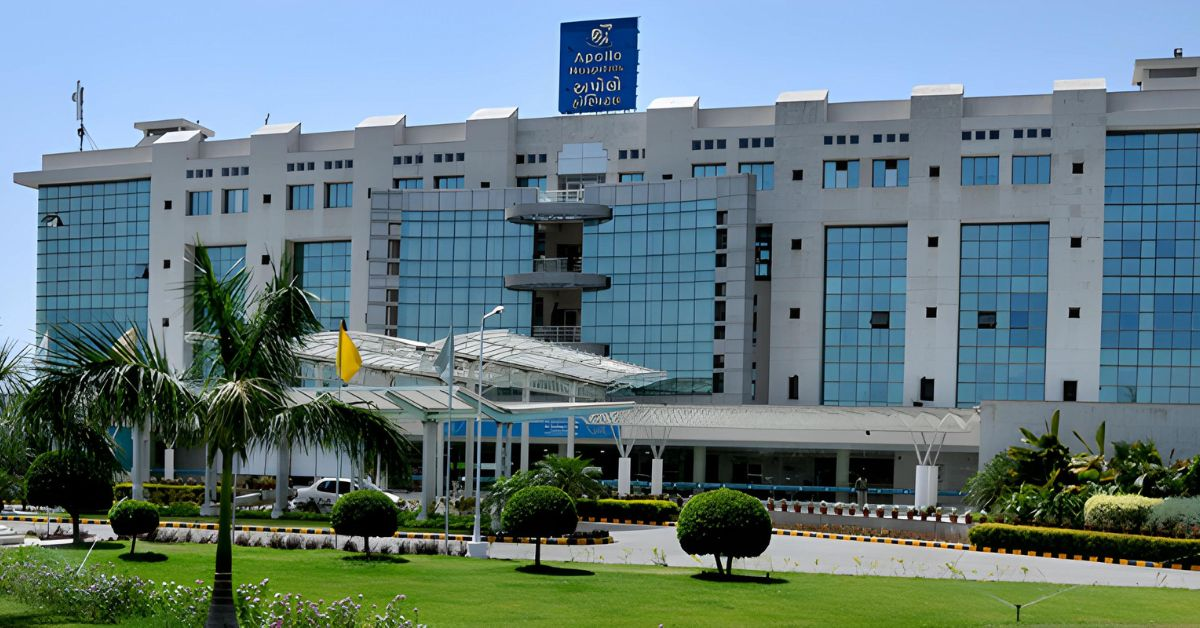
Apollo Hospitals Plans Increased Investment in AI to Alleviate Staff Workload

Apollo Hospitals, one of India’s largest hospital networks, is intensifying its use of artificial intelligence (AI) to alleviate the heavy workload faced by doctors and nurses. The company plans to automate routine tasks like medical documentation, aiming to free up valuable time for healthcare professionals.

With over 10,000 beds across its hospitals, Apollo is increasingly adopting AI to enhance diagnostic accuracy, predict patient risks, and streamline hospital operations. The use of AI is also helping improve precision in robotic surgeries and facilitating virtual medical care. Sangita Reddy, Apollo’s Joint Managing Director, shared that the company had allocated 3.5% of its digital spending to AI over the past two years and intends to further increase this investment in the coming year.

Apollo’s AI tools, which are still in the experimental phase, will analyze electronic medical records to suggest diagnoses, treatment plans, and tests. Additionally, AI will assist in transcribing doctors’ observations, generating discharge summaries, and creating nurses’ schedules from notes. The hospital chain is also developing an AI tool to recommend the most effective antibiotic treatments for patients’ conditions.

The company has set an ambitious goal of expanding its bed capacity by one-third over the next four years, with a portion of the revenue from these new additions being reinvested into AI tools without increasing overall costs. This initiative is part of a broader strategy to tackle the 25% nurse attrition rate, which is expected to rise to 30% by the end of fiscal 2025.

Despite the challenges of high technology costs, diverse data formats, and limited availability of electronic medical records, other major Indian hospital chains like Fortis Healthcare, Tata Memorial, and Max Healthcare are also incorporating AI tools to improve their services. However, according to Joydeep Ghosh, a partner at Deloitte India, accelerating AI adoption remains difficult due to concerns around profitability and operational hurdles.

Logitech Announces $2 Billion Share Buyback and Confirms 2025 Outlook

Logitech International has revealed plans to repurchase $2 billion worth of shares over the next three years, including an additional $600 million to boost its existing buyback program. The company also confirmed its outlook for fiscal year 2025, forecasting sales growth of 5.4% to 6.4%, reaching $4.54 to $4.57 billion.

Logitech also projects fiscal year 2026 sales will range from $4.53 billion to $4.71 billion, marking potential growth of 1% to 3% in U.S. dollars. This follows a positive performance in the pre-holiday quarter, with the company raising its full-year forecast in January due to increased sales and profit.

During its investor day in San Jose, California, Logitech emphasized its goal of achieving long-term annual sales growth of 7% to 10%, with a non-GAAP gross margin above 40% and an operating margin between 15% and 18%. CEO Hanneke Faber highlighted the company’s market leadership in key categories and its plans to expand into new verticals, with AI playing a pivotal role in its strategy.

Following a pandemic-driven sales surge and subsequent slowdown, Logitech now aims to target new markets, such as education and healthcare, while continuing to serve its traditional base of consumers, gamers, and businesses. The company is also focusing on selling products directly to businesses, including items like a computer mouse with a button that connects users to AI platforms like ChatGPT.

Siemens Healthineers Shares Rise on Q1 Revenue Beat Despite China Order Delays

Siemens Healthineers (SHLG.DE) reported stronger-than-expected first-quarter revenue on Thursday, with a 5.9% year-on-year increase, despite challenges posed by delayed customer orders in China. The company’s Q1 group revenue reached 5.48 billion euros ($5.69 billion), slightly surpassing the 5.37 billion euros forecast by analysts.

The revenue boost was driven by a 16% surge in U.S. revenues, counteracting a 6% decline in sales from China, which the company attributed to “continued delays in customer orders.” Like many of its peers in the healthcare technology sector, Siemens Healthineers has been impacted by China’s ongoing anti-corruption campaign, leading to reduced hospital equipment orders in the region.

Siemens Healthineers’ Chief Financial Officer, Jochen Schmitz, stated that the company expects continued challenges in China, forecasting a decline in sales in the “medium to high percentage range” during the first half of the year. He also noted a “flat trend” in China’s performance over the following quarters.

Despite the challenges, Siemens Healthineers remains cautiously optimistic, with CEO Bernd Montag emphasizing that while global trade disruptions, such as U.S. tariffs on imports from Mexico and Canada, are a concern, the risk to the healthcare and medical technology sectors remains relatively low. He added that U.S. tariffs on Chinese imports would have a “minor” impact on the company’s business.

The company also expects a stronger U.S. dollar to play a role in its financial outlook. Siemens Healthineers confirmed its full-year guidance, with revenue growth anticipated to fall within the lower end of the projected range of 5% to 6% for the second quarter.