FDA Approves Eli Lilly’s Zepbound for Sleep Apnea, Expanding its Use in the U.S.
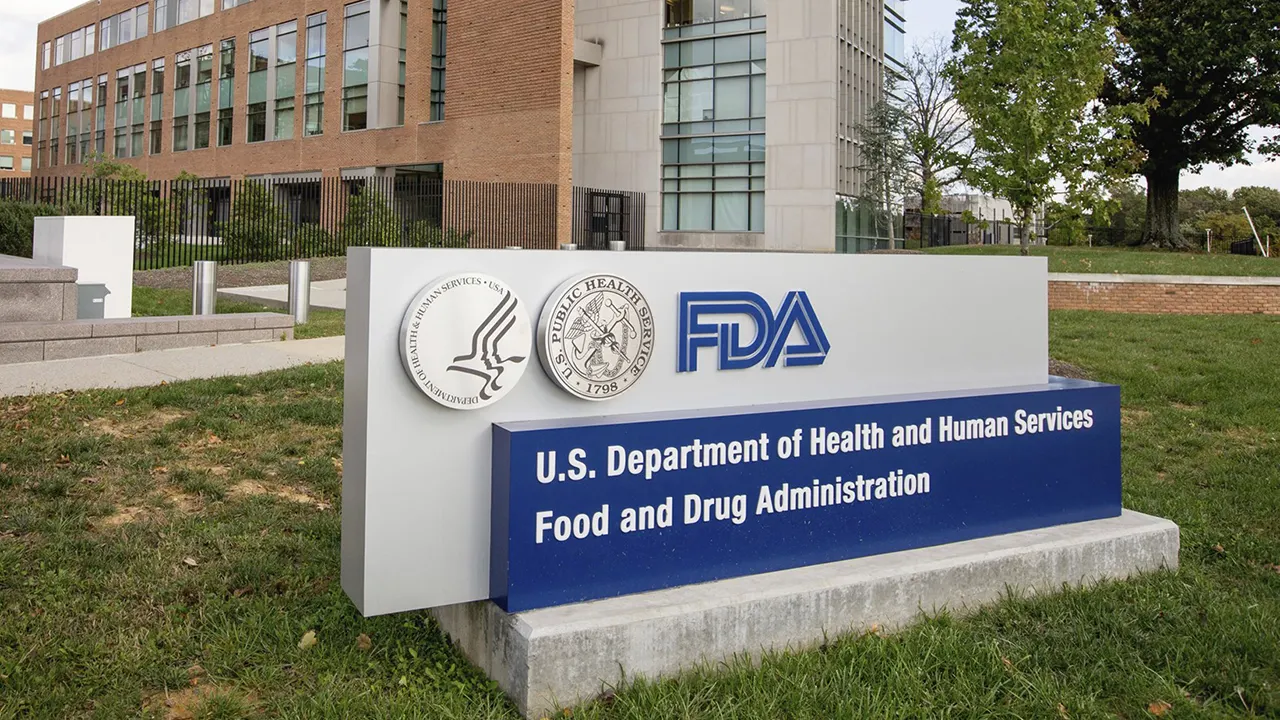
The U.S. Food and Drug Administration (FDA) has approved Eli Lilly’s weight loss drug, Zepbound, for treating moderate-to-severe obstructive sleep apnea (OSA), the most common sleep-related breathing disorder. This approval marks the first drug treatment option for patients with both obesity and OSA, which is characterized by breathing interruptions during sleep due to blocked or narrowed airways. Zepbound, a weekly injection, should be used alongside a reduced-calorie diet and increased physical activity, the FDA stated.
An estimated 80 million people in the U.S. are affected by OSA, with about 20 million suffering from the moderate-to-severe form of the disorder. Alarmingly, 85% of these cases remain undiagnosed, according to Eli Lilly.
Julie Flygare, president and CEO of Project Sleep, a nonprofit focused on sleep health, emphasized that OSA is more than just snoring, urging for greater awareness and conversation about the condition. She expressed hope that Zepbound’s approval would lead to better health outcomes through more informed discussions between patients and healthcare providers.
The approval expands Zepbound’s use beyond obesity treatment, which it was first approved for late last year. The drug’s active ingredient, tirzepatide, is also marketed as Mounjaro, a diabetes treatment. Eli Lilly expects to launch Zepbound for OSA in early 2025 and is also testing the drug for other obesity-related conditions such as fatty liver disease.
Zepbound’s approval may help secure broader insurance coverage, which is a challenge for many weight loss drugs, including Zepbound itself. Current coverage under Medicare for obesity treatments depends on their approval for additional health benefits, like treating OSA.
Zepbound’s approval also highlights the growing body of evidence supporting the health benefits of GLP-1s, a class of medications used for weight loss and diabetes management. Zepbound’s main competitor, Novo Nordisk’s Wegovy, is not approved for OSA.
The new approval provides a significant option for OSA patients who often rely on cumbersome positive airway pressure (PAP) machines to help with breathing. Zepbound offers a more convenient alternative with the potential to resolve OSA symptoms.
In clinical trials, Zepbound demonstrated significant effectiveness in reducing OSA severity. A year-long study showed that Zepbound was more effective than a placebo, with nearly half of patients achieving disease resolution. Zepbound resolved OSA in 43% of patients who were not using PAP therapy and 51.5% of those continuing PAP therapy. This compares to only 13.6% to 14.9% of placebo recipients in the same trials.
The results were based on the apnea-hypopnea index (AHI), which measures the number of blocked or restricted breaths per hour, and used to assess both the severity of OSA and the effectiveness of treatments. Disease resolution is defined as having fewer than five AHI events per hour or a significant reduction in daytime sleepiness, according to Eli Lilly.