Yazılar

Iran Warns of ‘Irreversible’ Consequences as Israel-Hezbollah Conflict Escalates

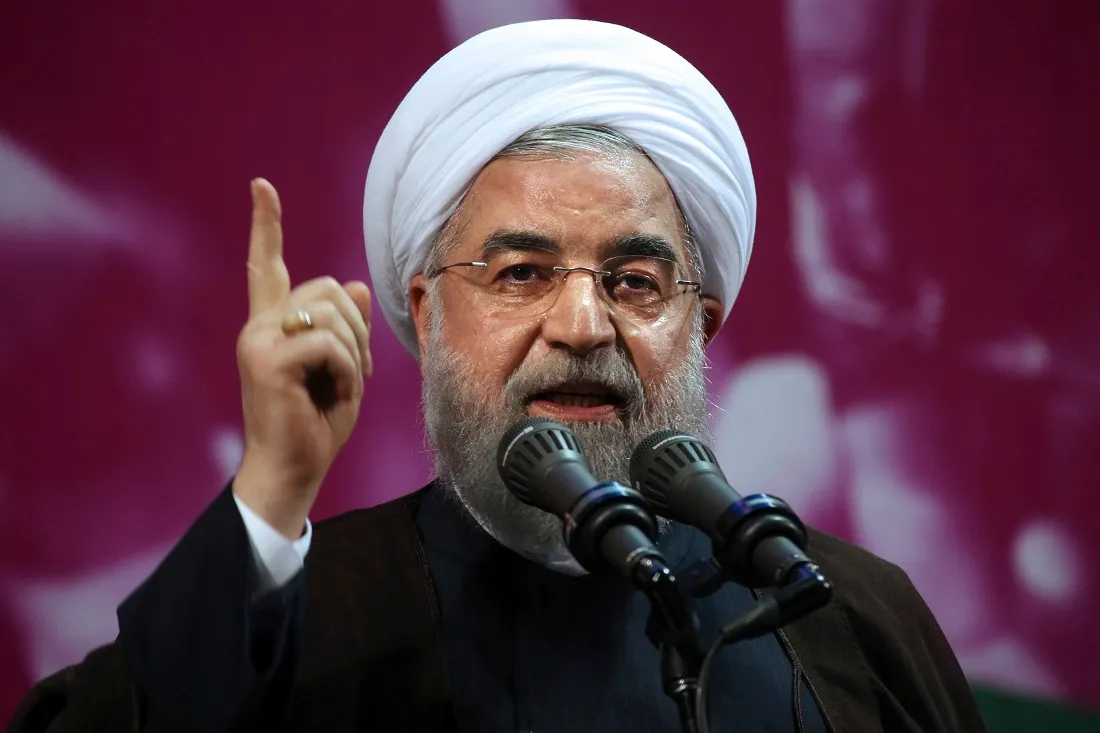
Iranian President Masoud Pezeshkian has issued a stark warning, accusing Israel of attempting to provoke Iran into joining the ongoing conflict between Israel and Hezbollah in Lebanon, which has lasted nearly a year. Speaking in New York at the United Nations General Assembly, Pezeshkian emphasized that Iran does not seek war but fears the “irreversible consequences” of a wider regional conflict.

Pezeshkian described Israel’s recent actions as pushing the Middle East towards full-scale war, particularly in response to Israeli airstrikes against Hezbollah, which made Monday the deadliest day in Lebanon in nearly a year. Accusing the international community of remaining silent in the face of what he called “Israel’s genocide” in Gaza, Pezeshkian reiterated Iran’s support for groups defending their rights, including Hezbollah, though he stopped short of declaring Iran’s direct involvement.

The tensions follow the assassination of Hamas leader Ismail Haniyeh in Tehran in July, an event for which Iran and Hamas have blamed Israel. While Tehran has vowed severe revenge, it has so far refrained from direct retaliation against Israel. Pezeshkian affirmed that Iran will respond “at the appropriate time and place.”

Efforts to broker a ceasefire between Israel and Iran-backed Hamas, mediated by Qatar, Egypt, and the United States, have stalled. Meanwhile, tens of thousands of people have been displaced from both sides of the Israeli-Lebanese border due to near-daily exchanges of fire between Israeli forces and Hezbollah. The situation has become critical, with EU foreign policy chief Josep Borrell warning that the conflict is nearing a full-blown war.
 

Weakened and Infiltrated, Hezbollah Vows ‘Battle Without Limits’ Against Israel

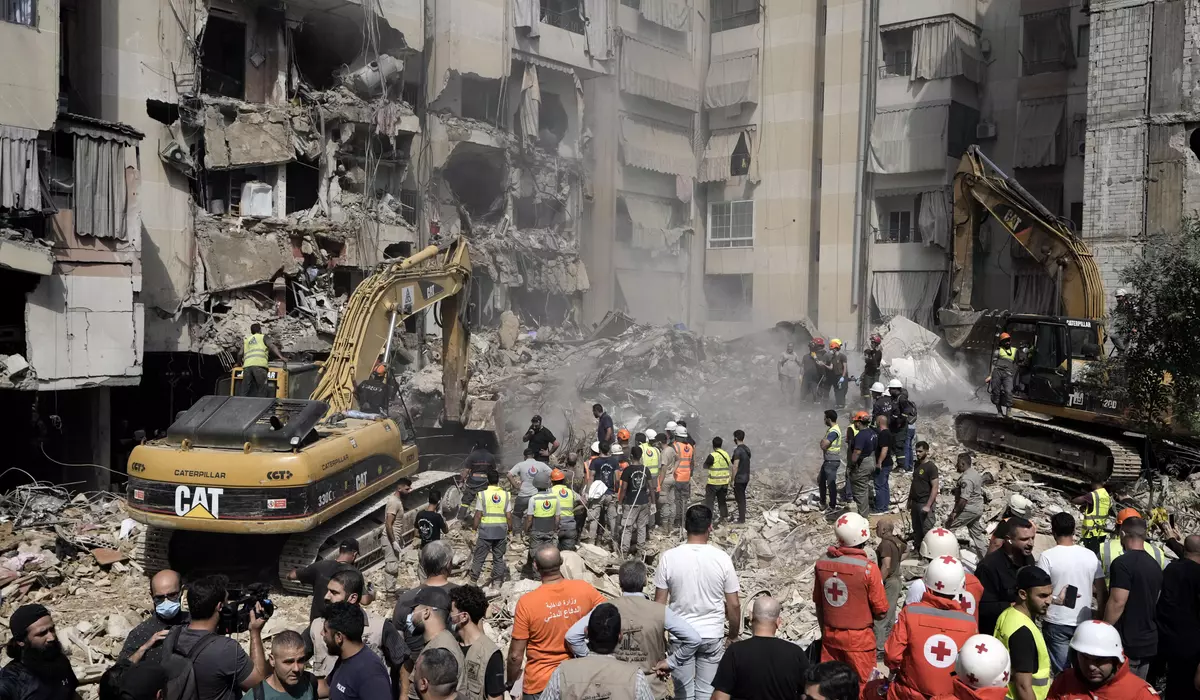
A recent Israeli airstrike targeted a Hezbollah meeting in Beirut, killing 45 people, including women and children, along with 16 Hezbollah militants, including senior commanders. The attack marked one of the most significant blows to Hezbollah’s military structure in its over 40-year history, revealing a severe breach in its communication systems. Israeli infiltration of Hezbollah’s ranks enabled a series of devastating attacks, leaving the group weakened and sowing panic within its leadership.

Lebanese officials responded by increasing security measures, emphasizing the impact of Israeli infiltration. Hezbollah, known for its secrecy and military strength, now finds itself vulnerable as it faces a new phase in its long-standing conflict with Israel. The group initially engaged in limited confrontations with Israel to support Hamas but now finds itself in a much deeper conflict, with heavy losses and growing pressure to retaliate.

In a statement following the Israeli airstrike, Hezbollah’s deputy leader, Naim Qassem, declared an escalation, calling it “a battle without limits.” The group retaliated by launching one of its most forceful attacks in years, targeting an Israeli airbase and military industry site. While Israel has not confirmed all the strikes, the event signals a significant shift in the dynamics of the ongoing conflict. Hezbollah’s use of new medium-range missiles, the Fadi-1 and Fadi-2, indicates the group’s attempt to restore its deterrent power against Israel.

Despite the losses, Hezbollah’s leadership and supporters remain defiant. At a funeral for three fighters killed in the recent strike, mourners emphasized their continued loyalty to Hezbollah leader Hassan Nasrallah and the group’s cause, even in the face of severe setbacks. As both sides brace for further escalation, the unwritten rules of engagement between Hezbollah and Israel are being tested in unprecedented ways.

Hezbollah and Israel Exchange Heavy Fire Following Deadly Israeli Strike

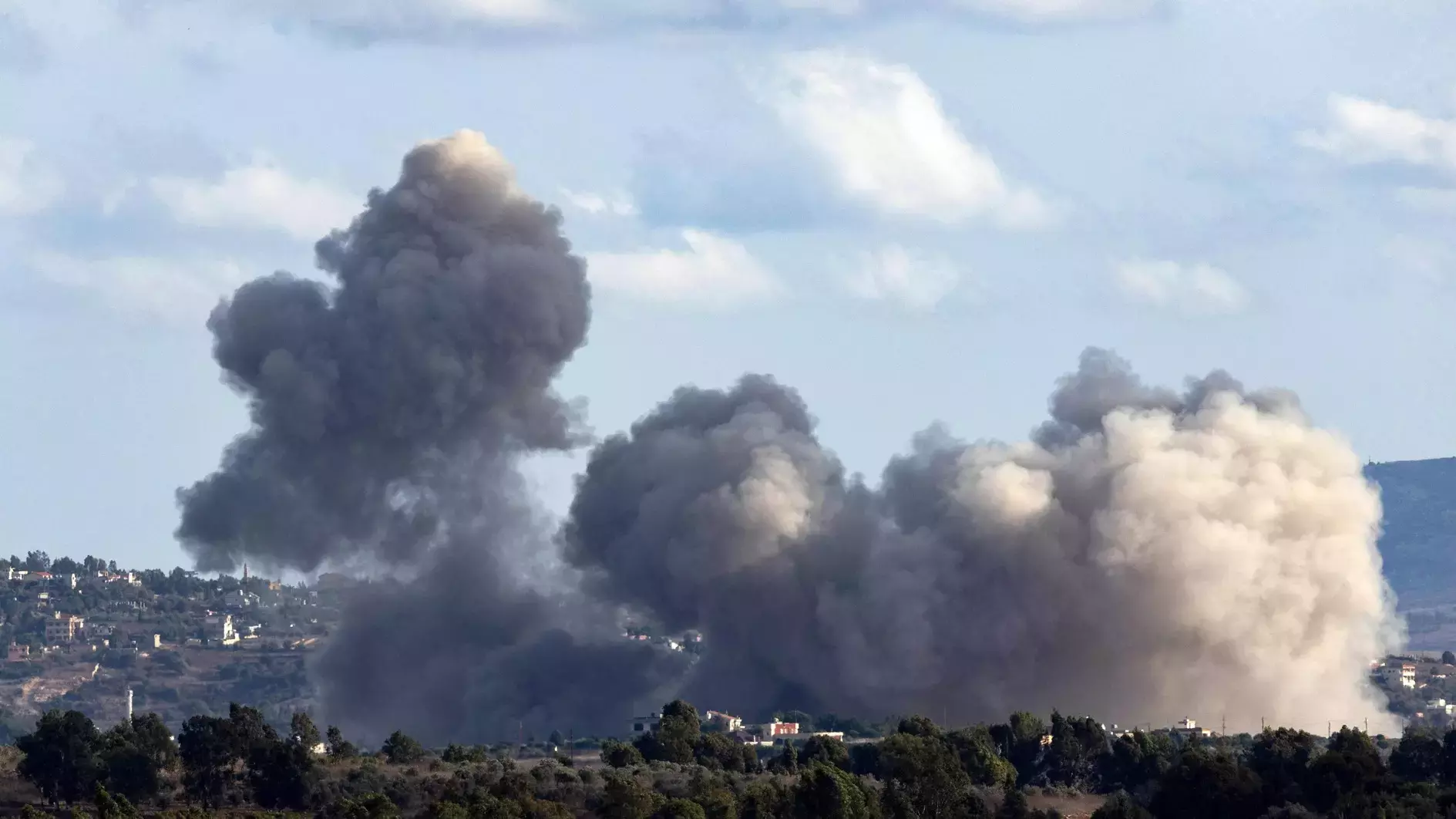
Hostilities between Hezbollah and Israel escalated on Sunday as both sides exchanged heavy fire across Lebanon’s southern border. Israeli airstrikes, some of the most intense in nearly a year, targeted Hezbollah positions, while the Iran-backed group launched rocket attacks on Israeli military targets in response. According to Israel’s military, approximately 290 Hezbollah targets were hit on Saturday, including rocket launchers.

Hezbollah claimed responsibility for striking Israel’s Ramat David Airbase with missiles, marking its deepest attack since hostilities began. In addition, Iran-backed Iraqi militants also claimed a drone strike on Israel early Sunday. Israeli air defenses intercepted most of the rockets and missiles, though some buildings were damaged, and a few people were treated for minor injuries.

This latest exchange follows an Israeli airstrike on Friday that killed 37 people, including senior Hezbollah figures, in a Lebanese suburb. Among the casualties were senior leaders Ibrahim Aqil and Ahmed Wahbi. Israel’s military said the strike targeted an underground meeting of Hezbollah commanders and nearly dismantled the group’s military chain of command.

Friday’s attack significantly escalated tensions, with Hezbollah retaliating by launching rockets at Israeli military facilities. Israeli Defense Minister Yoav Gallant announced the continuation of operations until the northern residents could safely return to their homes, signaling a protracted conflict.

U.S. officials, while expressing concern over the risk of further escalation, pointed out that the killing of Hezbollah’s leadership brought “justice” to the group. However, Hezbollah remains determined to fight until Israel agrees to a ceasefire in Gaza, where conflict with Hamas rages on.

Meanwhile, Lebanese Prime Minister Najib Mikati canceled his trip to the U.N. General Assembly in New York, as the situation worsened. Tensions remain high as both Hezbollah and Israel brace for further retaliation. Since the conflict between Hezbollah and Israel began in October, more than 740 people have died in Lebanon, marking the worst violence since the 2006 war.