Yazılar

Amazon Workers Strike at Seven U.S. Facilities During Holiday Rush

Workers at seven Amazon facilities in cities like New York, Atlanta, and San Francisco staged walkouts early Thursday amid the busy holiday shopping season. The protest, organized by the Teamsters union, is being described as the largest-ever strike against the e-commerce giant. However, Amazon’s extensive network of facilities and operations is expected to prevent significant disruptions.

The workers, supported by Teamsters members, are demanding fair treatment and better working conditions, citing Amazon’s emphasis on speed and efficiency as a cause of workplace injuries and excessive physical demands. “There’s a rigorous quota system that pushes people beyond their physical limits,” said Jordan Soreff, a 63-year-old delivery driver in New York.

At an Amazon facility in Queens, approximately 100 people joined the protest, including union members not employed by Amazon. Despite the demonstration, operations at the facility continued, aided by police assistance to ensure delivery trucks could move freely.

Amazon, the world’s second-largest private employer, has dismissed the strike’s impact, stating it expects no material effect on operations. The company accused the Teamsters of misleading the public and using coercion to involve employees and third-party drivers.

Labor Tensions and Broader Context

The strike is part of a larger wave of labor actions across industries, with unions pushing for better pay and working conditions. Workers in the automotive, aerospace, and rail sectors have already achieved significant concessions this year. Additionally, unions representing Starbucks baristas and U.S. port workers have threatened or authorized strikes in recent months.

Amazon has faced growing unionization efforts but has remained resistant. The company has yet to recognize the first facility to unionize in Staten Island, citing legal objections to the vote. It has also challenged the constitutionality of the National Labor Relations Board, which oversees union elections.

Despite the protests, Amazon recently announced a $2.1 billion investment to raise wages for fulfillment and transportation employees in the U.S., bringing base pay to around $22 per hour. However, the International Brotherhood of Teamsters claims Amazon has failed to engage in negotiations despite a December 15 deadline.

Global Solidarity and Worker Demands

The strike has drawn international attention, with Germany’s United Services Union announcing solidarity strikes at Amazon warehouses across the country. In San Francisco, 30-year-old warehouse worker Janeé Roberts joined the protest, citing unsafe conditions and insufficient benefits for part-time employees. “I see the wear and tear on my coworkers’ bodies,” she said.

Amazon’s operations, including its grocery chain Whole Foods, continue to face union challenges. In November, workers at a Philadelphia Whole Foods filed for a union election, marking the first such effort since Amazon acquired the chain in 2017.

While the strike underscores escalating labor tensions, analysts believe Amazon’s robust infrastructure and preparation for the holiday rush will minimize disruptions. Morningstar analyst Dan Romanoff noted, “It is possible there may be some isolated incidents of delay, but I do not think there will be a material impact.”
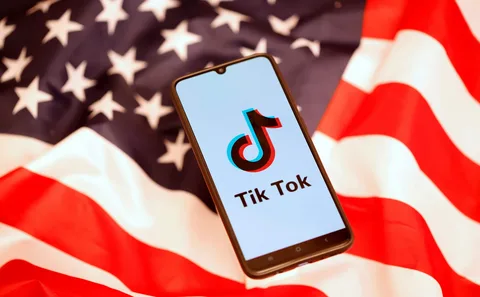
 

TikTok Shop Gains U.S. Market Share Amid Potential Ban Threat

TikTok Shop, the e-commerce platform launched by TikTok in September 2023, is making significant strides in the U.S. market, especially during the holiday shopping season. Despite the looming threat of a ban on TikTok by U.S. regulators, the platform has reported strong spending patterns, capturing attention from consumers and merchants alike.

According to TikTok’s own estimates and a Reuters analysis of spending data from Facteus, TikTok Shop has gained ground as a popular e-commerce destination. On Black Friday alone, TikTok Shop claimed $100 million in sales, a figure suggesting it is becoming a strong competitor to platforms like Shein and Temu. While Reuters could not independently verify these claims, data from Facteus shows that U.S. spending on TikTok Shop in the week leading up to Cyber Monday surpassed spending on both Shein and Temu.

TikTok Shop operates as a marketplace for major brands, such as e.l.f. Cosmetics and Ninja Kitchen, as well as smaller third-party vendors. Merchants use TikTok’s social media app to promote their products through targeted ads and influencer collaborations, taking advantage of the platform’s 170 million U.S. users. Additionally, TikTok Shop offers live shopping sessions, where consumers can purchase items directly during live-streamed events. These features have driven a sharp increase in monthly live video sessions, which TikTok says have tripled in the past year.

User Adoption and Shopping Trends

For U.S. consumers like Jasmine Whaley from Pennsylvania, TikTok Shop has become a go-to platform for finding deals on clothing, skincare, and other products. Whaley notes that TikTok’s algorithms “curate content and products” she enjoys, often delivering her purchases faster than competitors like Amazon. She estimates she’s spent nearly $700 on the platform this year, highlighting its growing appeal.

TikTok Shop merchants fulfill orders directly, with some leveraging third-party services or TikTok’s own fulfillment infrastructure to expedite shipping. The platform has also attracted vendors by offering lower fees to boost their competitiveness in the U.S. market, mirroring tactics used by rivals Shein and Temu.

TikTok’s Regulatory Challenges

The success of TikTok Shop comes at a precarious time. A U.S. federal appeals court recently upheld a law requiring ByteDance, TikTok’s Chinese parent company, to divest TikTok in the U.S. by early 2024 or face a potential nationwide ban. If enforced, such a ban would also likely extend to TikTok Shop, raising concerns for merchants and brands relying on this revenue stream.

Erik Huberman, CEO of Hawke Media, emphasized the platform’s unique value for sellers, stating, “TikTok Shop is a new distribution channel, and brands are doing really well on it. Honestly, there isn’t an alternative. It will be a lost revenue stream.”

Competitive Edge in E-Commerce

TikTok Shop’s integration of social media and e-commerce provides a distinct advantage. By blending engaging short videos, influencer promotions, and live shopping events, TikTok has “cracked the code” in creating a seamless shopping experience, according to users like Whaley. This approach not only drives impulse purchases but also builds brand loyalty.

The platform’s ability to compete on price, shipping speed, and user engagement has allowed it to outpace rivals during critical shopping periods. Facteus, which analyzed spending data from 140 million consumer credit and debit cards, revealed that TikTok Shop’s holiday spending surge outperformed its competitors in terms of market share.

Future Outlook

While TikTok Shop is enjoying rapid growth, its future in the U.S. remains uncertain. A potential TikTok ban could derail the platform’s e-commerce ambitions, leaving merchants and influencers scrambling for alternatives. Despite the regulatory risks, TikTok Shop’s innovative approach to merging content with commerce has positioned it as a key player in the evolving e-commerce landscape.

For now, TikTok Shop continues to capitalize on its social media dominance, offering consumers a dynamic and engaging way to shop while reshaping online retail trends.

Thanksgiving Meals Cheaper in 2024 Thanks to Lower Turkey Prices

Declining Costs for a Thanksgiving Feast

Good news for Thanksgiving hosts this year: the cost of a traditional Thanksgiving meal is set to be more affordable in 2024, offering relief to families after several years of rising grocery bills.

The average cost of a “classic” Thanksgiving feast for ten people is $58.08, marking a 5% decrease from 2023 and a 9% drop from 2022, according to the American Farm Bureau Federation. The menu includes staples such as turkey, stuffing, sweet potatoes, dinner rolls, peas, cranberries, and pumpkin pie ingredients.

For households opting to add ham, potatoes, and green beans, the price increases to $77.34—still 8% lower than last year.


Driving Factors Behind the Decline

Key economic factors have contributed to the reduced costs:

  1. Turkey Prices Decline: The price of a 16-pound turkey has dropped 6% from 2023. Despite a significant decrease in turkey production due to bird flu, lower consumer demand has offset the reduced supply, bringing prices down.
  2. Food Inflation Eases: General food price inflation has stabilized, making ingredients like whole milk—down 14%—more affordable due to favorable weather boosting dairy production.
  3. Adjustments in Consumer Behavior: Per capita turkey consumption has declined, reflecting shifting preferences.

Lingering Challenges

Although the overall cost has decreased, Thanksgiving remains 19% pricier than it was in 2019. Some processed items, such as dinner rolls and cubed stuffing, saw price increases of over 8%, driven by higher labor costs across the supply chain.

Non-food inflation, energy costs, and lingering effects of past disruptions—like the bird flu epidemic and supply chain constraints—still influence certain food prices.


Saving Tips for 2024 Thanksgiving

Shoppers can cut costs further by making strategic choices:

  • Mix Store Brands with Name Brands: A full menu of store-brand items can save up to $17 compared to name brands. However, some name-brand items, like cranberries, are cheaper this year, making research worthwhile.
  • Early Shopping and Price Comparisons: Take advantage of store sales and promotions leading up to the holiday.

Thanksgiving Spending Outlook

Despite lower costs, 44% of hosts remain concerned about the expense of the holiday, according to a Deloitte survey. Still, with strategic shopping and declining prices for key ingredients, Thanksgiving 2024 promises to be a bit lighter on the wallet, allowing families to focus more on celebration and gratitude.