Yazılar

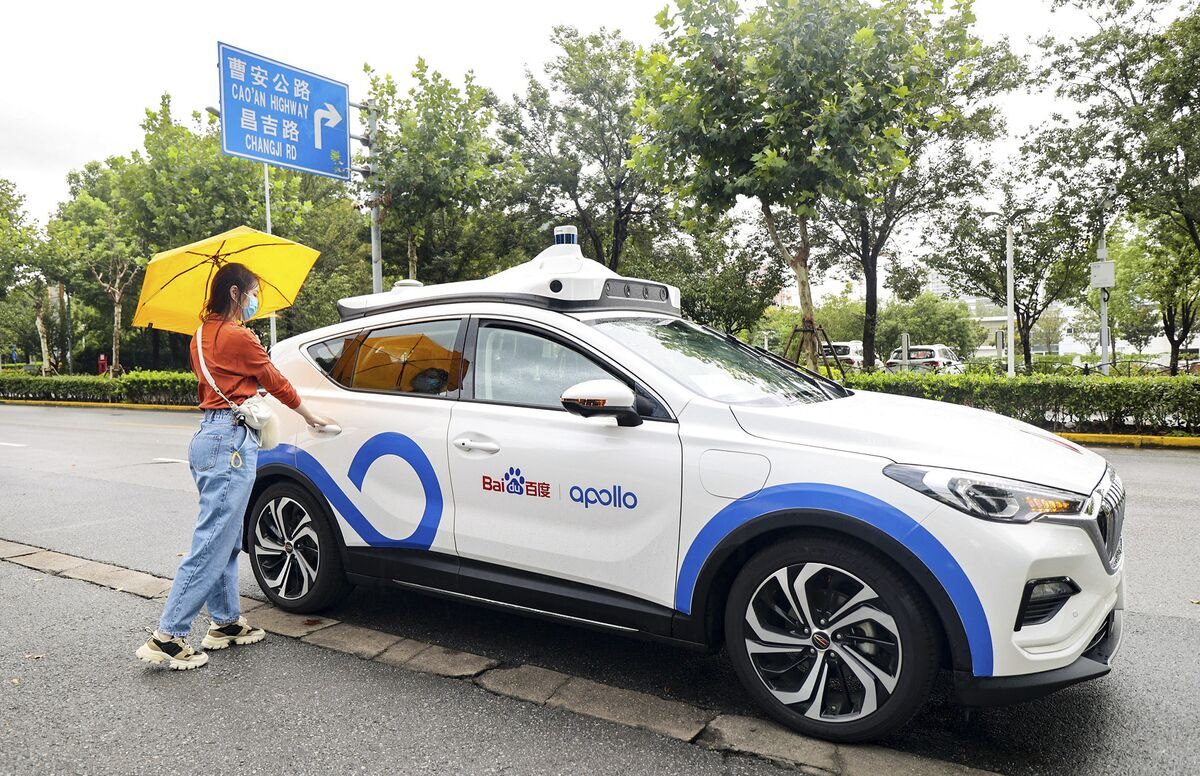
Baidu Secures License to Test Autonomous Vehicles in Hong Kong

Baidu’s Apollo robotaxi service has received approval to test autonomous vehicles in Hong Kong, marking the company’s first license for self-driving car trials outside mainland China. Hong Kong’s Transport Department announced Friday that Baidu Apollo International Ltd is authorized to conduct tests with 10 autonomous vehicles in the North Lantau region.

The license, valid from December 9, 2024, to December 8, 2029, will initially permit only one autonomous vehicle on specified road sections at a time. A backup operator will be required to remain onboard to take control of the vehicle if needed during the trials.

This approval is the first issued under Hong Kong’s new regulatory framework for autonomous vehicles, introduced in March 2023. While the Hong Kong government has promoted autonomous vehicle technology since 2017, public road trials have been limited until now.

Baidu’s Apollo Go service operates across several mainland Chinese cities, including Wuhan, where it manages a fleet of over 400 autonomous vehicles, the largest in the region. With competition in the autonomous vehicle sector intensifying, Baidu aims to expand its robotaxi services internationally to locations such as Hong Kong, Singapore, and the Middle East, according to recent reports.

The Hong Kong trial represents a significant step in Baidu’s global ambitions for its autonomous vehicle program and underscores the city’s evolving stance on integrating cutting-edge technology into its transportation ecosystem.

 

Hong Kong’s Port Island Yields First Dinosaur Fossils, Offering Glimpse into Ancient Past

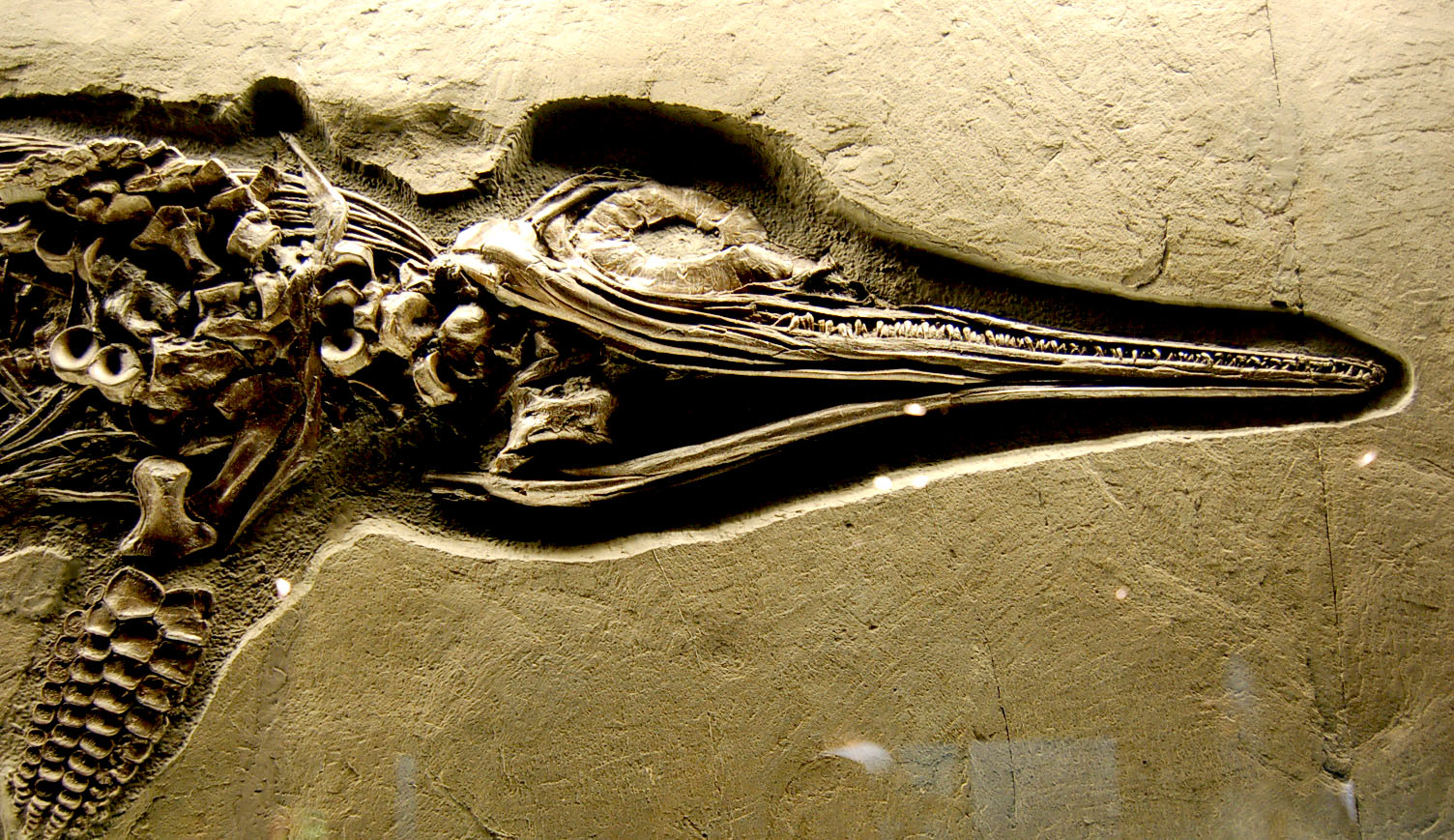
In a groundbreaking discovery for Hong Kong, scientists have uncovered the city’s first-ever dinosaur fossils on Port Island. Preliminary analysis of the bones suggests they likely belonged to a large dinosaur from the Cretaceous period, which spanned from 145 to 66 million years ago. While further research is required to pinpoint the exact species, this find represents a significant step in Hong Kong’s growing contribution to the field of paleontology, offering a glimpse into the ancient history of the region.

Discovery at Port Island: Hong Kong’s Geological Treasure

The fossils were discovered in a UNESCO-recognized geopark located on Port Island, a site known for its rich geological history. The bones were found scattered and weathered, hinting at a complex history of environmental exposure and erosion. Researchers believe the remains were originally buried beneath sediment layers, only to be exposed by natural forces before being reburied. Dr. Michael Pittman, a dinosaur expert and Assistant Professor at the Chinese University of Hong Kong, emphasized the rarity and significance of this discovery, noting that locating dinosaur fossils is a difficult task due to the specific geological conditions required. He pointed out that such finds are only possible when the right combination of rock formations from the appropriate time periods is present, a rare occurrence in Hong Kong.

An Important Milestone in Hong Kong’s Fossil Record

This discovery marks an important milestone in Hong Kong’s fossil record, as it is the first confirmed dinosaur find in the region. While Hong Kong has previously yielded fossils of prehistoric marine life, such as ostracods and ammonites dating back nearly 400 million years, dinosaur remains had never been documented until now. Officials are optimistic about the potential for further discoveries, given that the geological layers of Port Island share similarities with those in Guangdong, an area that has produced extensive dinosaur fossils. This connection opens the possibility for more fossil finds in the future, potentially shedding light on Hong Kong’s ancient past.

As the research continues, scientists are excited about the potential implications of the discovery, not just for Hong Kong but for the broader understanding of dinosaur distribution and evolution. The fossilized remains offer a rare opportunity to study a part of the Earth’s history that was previously unknown in this region, and may eventually lead to new insights into the ancient ecosystems that once thrived here. This find also highlights the growing importance of Hong Kong as a site for geological research and paleontological exploration.

Hong Kong’s HKMA to Enhance e-HKD CBDC With Advanced Programmability and Offline Payment Capabilities, Mirroring eRupee

HKMA Renames CBDC Project as e-HKD+ as It Enters Phase Two of Development Devamını Oku