Yazılar

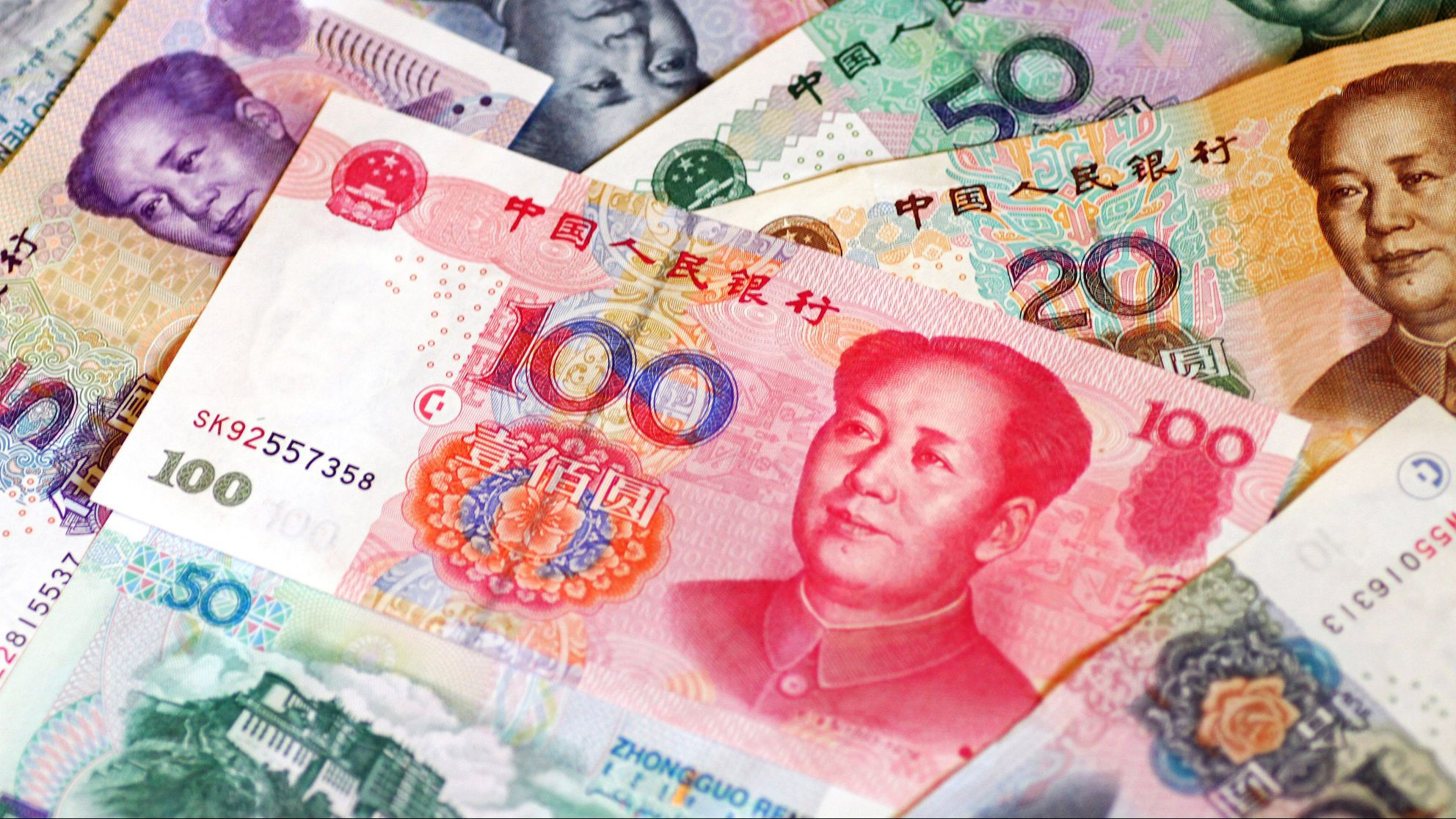
Chinese Yuan Reaches 16-Month High Against US Dollar Amid PBOC Stimulus Measures

China’s yuan surged to its highest level in over 16 months on Wednesday, boosted by a series of stimulus measures introduced by the People’s Bank of China (PBOC) to bolster the slowing economy. The offshore yuan briefly appreciated to 6.9946 per dollar, a level not seen since May 2023. Similarly, the onshore yuan traded at 7.0319 against the greenback, marking its strongest performance since last May.

While the yuan’s rise is seen as a positive outcome of the PBOC’s policies, analysts caution that a stronger currency could hurt China’s export sector. Wei Liang Chang, FX and credit strategist at DBS, warned that policymakers must be careful not to allow the renminbi’s appreciation to weigh on the fragile economy. “Weak growth and low inflation in China should put pressure on the RMB going forward,” noted Edmund Goh, head of China fixed income at abrdn.

Ben Emons, founder of Fed Watch Advisors, added that rapid yuan strengthening could add deflationary pressure to China’s exports, which are already under strain. Unlike the U.S. dollar or Japanese yen, the Chinese yuan operates within a controlled exchange rate system. Onshore yuan trades within a 2% range around the midpoint set by the PBOC, while offshore yuan—traded mainly in Hong Kong, Singapore, and New York—faces fewer restrictions, allowing for greater market influence.

Despite the upward momentum, some experts expect the offshore yuan (USDCNH) to dip below 7.0 in the coming months. Zerlina Zeng, head of Asia Credit Strategy at CreditSights, predicts that China’s pro-growth stance and potential easing from the Federal Reserve could lead to further yuan appreciation.

Tuesday’s announcement by the PBOC included key moves such as cutting the reserve requirement ratio (RRR) by 50 basis points and lowering the 7-day repo rate by 0.2 percentage points. PBOC Governor Pan Gongsheng described these actions as necessary to alleviate the “clogged” monetary transmission channel, hindered by the property sector’s drag on bank balance sheets and a resulting “crisis” in consumer confidence.

Following the central bank’s stimulus, China’s bond market saw increased demand, with 10-year and 30-year bond yields hitting record lows. Stronger bond demand generally strengthens a country’s currency, and Chinese bonds rallied accordingly. Yields on 10-year bonds rose by 5 basis points to 2.074%, while 30-year bond yields reached 2.182%.

Chinese equities also responded favorably. The Hang Seng Index in Hong Kong posted its best performance in seven months, while the CSI 300 Index on the mainland saw its largest one-day gain in over four years.

 

Planning a Trip to China: Common Challenges and New Developments

Traveling to China can be a daunting experience for many foreign tourists due to visa complexities, flight limitations, and the unique digital landscape. However, recent changes are making travel to China increasingly accessible and user-friendly.

Visa and Travel Challenges

Obtaining a visa for China has traditionally been a complicated process. Visa applications can be intricate, and international flights are currently limited and costly, partly due to restricted airspace over Russia. However, China has introduced several measures to ease these challenges. The country now offers visa exemptions for numerous nationalities and a 144-hour visa-free transit policy at several entry points.

Moreover, China has been improving its digital infrastructure to accommodate international visitors. Mobile wallet platforms like Alipay and WeChat have simplified their setup processes and now accept international credit cards. Some cities, like Beijing, offer all-in-one passes for easier access to attractions and public transit.

Current Travel Trends

China welcomed approximately 14 million foreign visitors in the first half of 2024, a significant increase from the previous year. About half of these visitors utilized visa-free policies. Although the numbers are still below pre-pandemic levels, this upward trend is encouraging.

Travel specialist Denny Tian notes that new visa policies have led to increased tourist arrivals from several countries. For instance, the 15-day visa-free policy has contributed to a rise in visitors from eligible nations.

Experiences of Recent Travelers

Gabriela Correia, a Portuguese doctor, visited Shanghai and Beijing in June 2024 under the 144-hour visa-free transit policy. Despite challenges such as limited online information and the lack of English speakers, Correia found the experience rewarding. She used tools like Google Translate and a travel SIM card with a VPN to navigate the digital barriers.

Correia and her American boyfriend enjoyed their visit despite language barriers and local payment practices. They found solutions like using QR codes for restaurant orders and opted for a private guide to enhance their visit to the Great Wall.

Travel FAQs for China

  • Visa Requirements: China has various visa exemption agreements and policies. For example, citizens of 15 countries, including Austria, Australia, and Spain, can visit China visa-free for up to 15 days. Other travelers may need to apply for a tourist visa. The application process for U.S. citizens has been simplified since January 2024, removing requirements for proof of travel documents.
  • 144-hour and 72-hour Visa-Free Transit Policies: These policies allow travelers from certain countries to stay in China for up to three or six days while en route to a third country. Restrictions apply to travel within designated regions.
  • Traveling to Tibet: Travelers must obtain a Tibet Travel Permit through a certified travel agency and are required to join a group tour or book a tour guide and accommodations.
  • Visas for Hong Kong and Macao: Hong Kong and Macao have separate visa policies, with visa-free entry available for many nationalities. Check the respective immigration websites for details.
  • Hainan Island: The island offers 30-day visa-free entry for passport holders from 59 countries, but travelers cannot visit other parts of China.
  • Smartphone and App Use: While popular apps like Google and Facebook are blocked in China, using a VPN or travel SIM card can provide access. Local apps like Gaode Maps and Baidu Maps are recommended for navigation.
  • Mobile Payments: Cash is still accepted, but mobile payments via WeChat Pay and Alipay are prevalent. Both apps now support international credit cards, though some local businesses may not accept them.

Safety and Practical Tips

China is considered one of the safest travel destinations, though travelers should be aware of varying local laws. Many tourists find the country welcoming and friendly, and following respectful behavior is advised.

Useful Apps for Travelers

  1. Gaode Maps / Baidu Maps: For navigation within China.
  2. MetroMan: Provides information on subway systems and nearby attractions.
  3. WeChat: Useful for communication, menu access, and booking services.
  4. Alipay: For mobile payments and linking international credit cards.
  5. Didi: China’s car-hailing app.
  6. Trip.com: For booking tickets and accommodations.
  7. Baidu Translate: For translation needs.

By preparing for these aspects, travelers can better navigate the complexities of visiting China and make the most of their trip.

Hong Kong Journalists Convicted of Sedition, Sparking Concerns Over Press Freedom Amid Beijing’s Crackdown

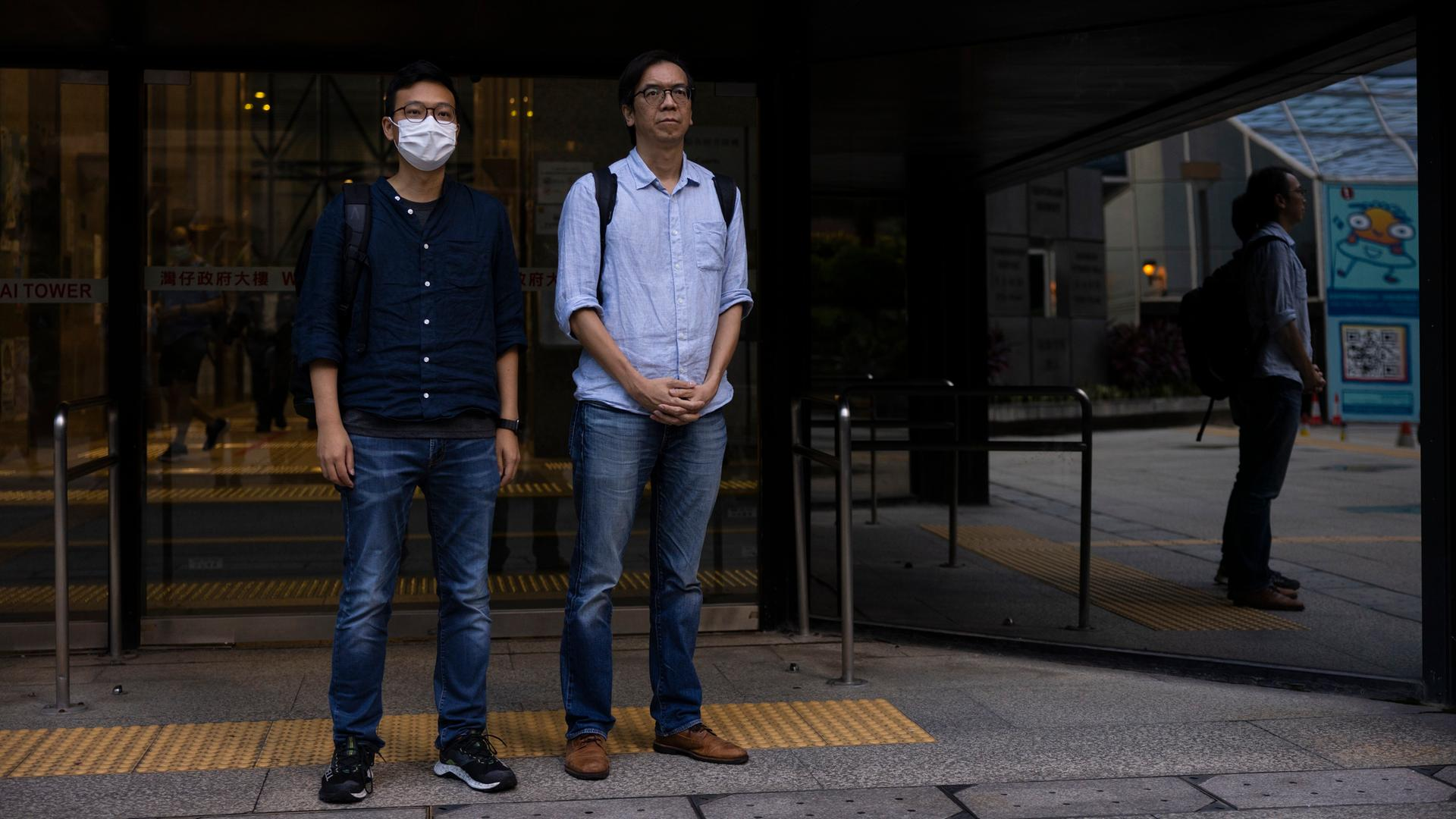
Two former editors of the now-defunct pro-democracy publication Stand News in Hong Kong were found guilty of sedition by a local court, a verdict that has deepened global concerns over press freedom in the semi-autonomous city. Chung Pui-kuen, former editor-in-chief, and Patrick Lam Shiu-tung, former acting editor, were convicted under a colonial-era law that has resurfaced as a powerful tool to suppress dissent, following the 2019 anti-government protests. Critics argue the ruling is a stark reminder of the erosion of press liberties under Beijing’s expanding influence over Hong Kong.

The sedition charges against Chung and Lam arose from the publication of 17 articles between July 2020 and December 2021, which prosecutors claimed incited hatred against both the Hong Kong government and China’s central authorities. The articles included interviews with former opposition lawmakers and pro-democracy activists, many of whom are currently imprisoned or in self-imposed exile. Despite the defense’s argument that the publication maintained balanced journalism by featuring a variety of voices, the court ruled that 11 of the 17 articles were seditious.

Judge Kwok Wai-kin asserted that the articles in question were published during a highly charged political environment and had the intent to incite public hatred and illegal actions against the government. The court emphasized that both Chung and Lam bore responsibility for providing Stand News as a platform to stir unrest. The sentencing for the two journalists will be announced at a later date, with a maximum penalty of two years in prison.

The case marks the first time journalists have been prosecuted for sedition in Hong Kong since its return to Chinese rule in 1997, underscoring the city’s stark transformation from a once-thriving hub of press freedom to a place where critical voices are systematically silenced. Hong Kong’s media landscape has shrunk dramatically since the introduction of the national security law in 2020, with several independent outlets, including Apple Daily and Stand News, being forced to shut down.

Picture background

While authorities in both Hong Kong and Beijing argue that the national security law has restored order following the unrest of 2019, critics see the legislation as a sweeping measure to quash any form of political dissent. The law’s broad reach has left many journalists and activists either jailed or fleeing the city. The recent conviction also coincides with the ongoing trial of media tycoon Jimmy Lai, who faces charges of colluding with foreign forces and sedition, potentially facing life imprisonment if found guilty.

Further compounding fears of censorship, Hong Kong’s government recently passed a second national security law known as Article 23, which increased penalties for sedition-related offences, extending potential prison sentences to 10 years. Media workers have expressed growing concern over these developments, as highlighted in a recent report by the Hong Kong Journalists Association (HKJA). The HKJA’s latest annual survey revealed that press freedom in the city has reached its lowest point since the organization began tracking it in 2013, with journalists increasingly worried about potential repercussions for their work.

Hong Kong leader John Lee, a former police chief, has dismissed concerns about the decline in press freedom, insisting that the city remains a vibrant media hub. However, international watchdogs like Reporters Without Borders (RSF) have offered a grimmer assessment, ranking Hong Kong 135th out of 180 countries in its 2023 World Press Freedom Index—an alarming drop from 18th place in 2002. The steep decline reflects the growing pressure on journalists in the city as Beijing tightens its grip, bringing Hong Kong’s once vaunted media freedoms closer in line with mainland China’s highly controlled press environment, which ranks near the bottom of RSF’s index at 179th.

As the court proceedings continue, the convictions of Chung and Lam serve as a chilling message to those who dare to question or criticize authorities in Hong Kong. The international community will be closely watching how this case, along with others like that of Jimmy Lai, unfolds, as it reflects the ongoing struggle for freedom of expression in the face of authoritarian rule.