Yazılar

Alpha and Omega Semiconductor Settles Export Violation Case with U.S. Government Over Shipments to Huawei

Alpha and Omega Semiconductor (AOS) has agreed to pay $4.25 million to settle with the U.S. Department of Commerce for unauthorized shipments of power controllers, smart power stages, and related components to Huawei Technologies in 2019. This occurred after Huawei was placed on the U.S. Entity List, which restricts trade and requires licenses for suppliers shipping controlled items.

Although the shipped items were foreign-designed and manufactured, they were subject to U.S. export controls because AOS exported them from the United States. The U.S. government had been investigating these transactions for over five years. The Justice Department closed its criminal investigation without charges in January 2024, but a civil probe by the Commerce Department continued until the settlement.

AOS emphasized that the resolution does not affect its ongoing operations. The company is headquartered in Sunnyvale, California, and operates fabrication facilities in the U.S. and Asia, including a wafer fab in Hillsboro, Oregon. The U.S. expanded restrictions on Huawei in 2020 to include foreign-produced items shipped to the company.
U.S. Judge Rules Huawei Must Face Criminal Charges in Technology Theft and Bank Fraud Case

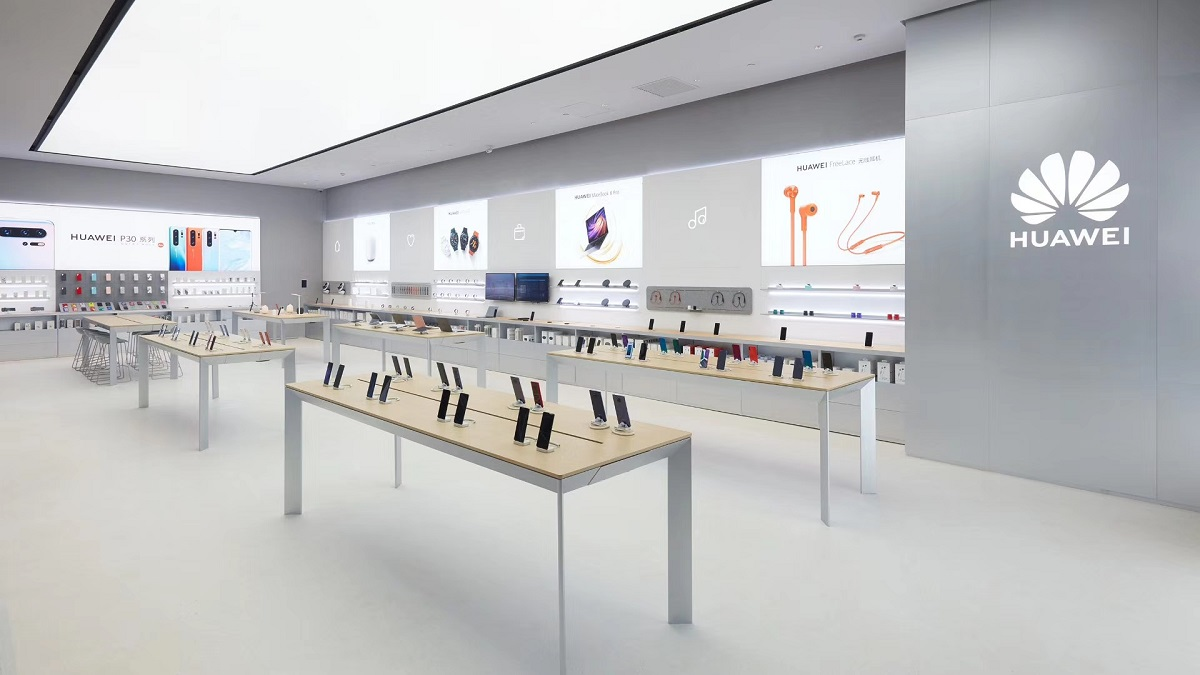
A federal judge in Brooklyn has rejected Huawei Technologies’ attempt to dismiss most charges in a U.S. criminal case accusing the Chinese telecom giant of stealing technology secrets and misleading banks about its activities in Iran. In a detailed 52-page ruling on Tuesday, U.S. District Judge Ann Donnelly upheld sufficient allegations from a 16-count indictment, including racketeering, theft of trade secrets from six companies, and bank fraud.

The indictment also alleges that Huawei covertly controlled Skycom, a Hong Kong-based company, which conducted business in Iran. Prosecutors claim Skycom operated effectively as Huawei’s Iranian subsidiary, benefiting indirectly from over $100 million transferred through the U.S. financial system in violation of sanctions.

Huawei has pleaded not guilty and sought to dismiss 13 counts, calling the case “a prosecutorial target in search of a crime.” The trial is set for May 4, 2026, and may last several months.

This high-profile case began in 2018 under the Trump administration’s China Initiative, which aimed to combat intellectual property theft by Chinese entities. Huawei’s CFO Meng Wanzhou, detained in Canada for nearly three years, had charges dismissed in 2022. The Biden administration ended the China Initiative amid criticism of racial profiling and chilling effects on research.

Huawei, headquartered in Shenzhen, operates in over 170 countries with approximately 208,000 employees. The U.S. has restricted Huawei’s access to American technology since 2019 over national security concerns, which Huawei denies.

FCC Warns China Mobile of Potential Fines Over Non-Compliance in U.S. Probe

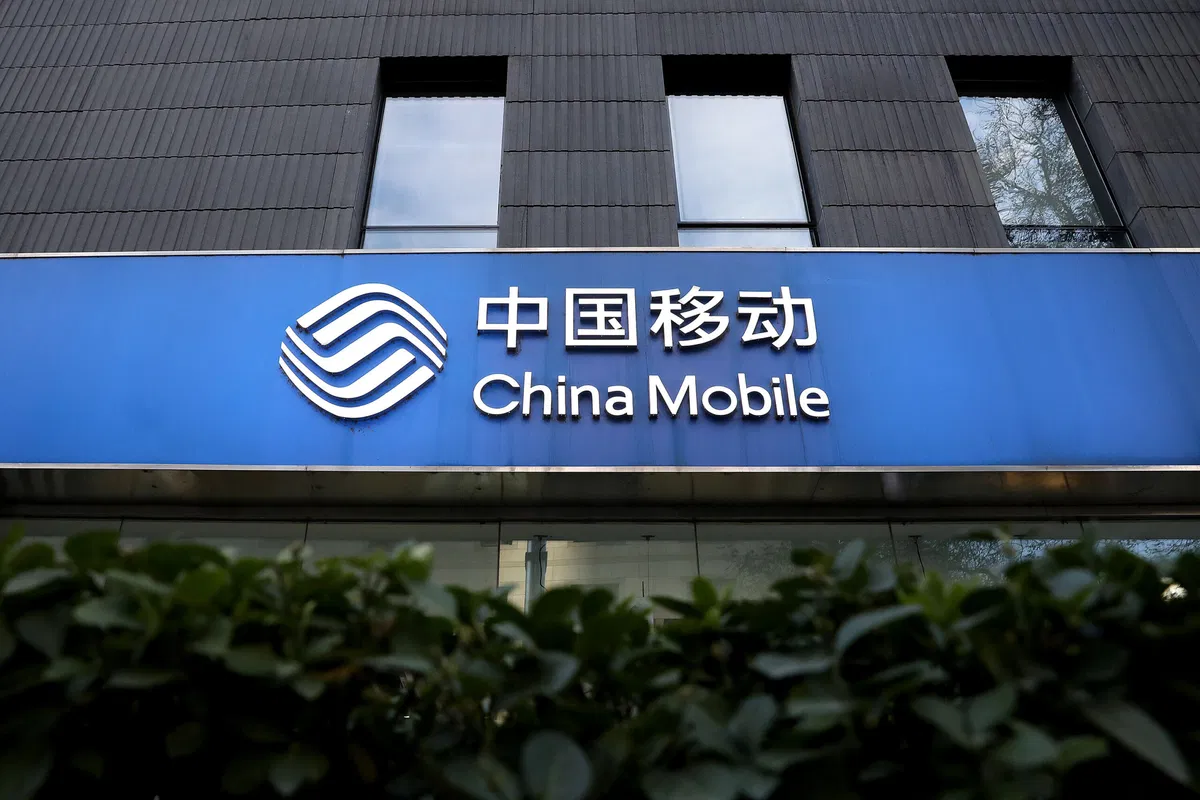
The Federal Communications Commission (FCC) warned on Tuesday that it could impose fines on China Mobile for allegedly failing to cooperate with an investigation into whether its U.S. operations are circumventing American restrictions. The probe is part of a broader effort to ensure compliance with national security directives that have already barred several Chinese telecom firms from operating in the U.S.

According to the FCC, China Mobile has shown “misconduct” and “disregard” for regulatory authority by not providing the specific documents and information requested. The agency said the probe has been ongoing since November 2022, and that a supplemental request was sent in February this year. The company now has 30 days to comply before facing financial penalties.

Background and Concerns:

  • In 2019, the FCC determined that China Mobile was indirectly owned and controlled by the Chinese government, posing a national security risk due to the potential for cyber intrusions, espionage, and economic attacks.

  • The March 2024 probe includes nine Chinese companies, such as Huawei Technologies, ZTE, Hikvision, Dahua, China Telecom, and China Unicom Americas, all under suspicion of operating in ways that could sidestep U.S. bans.

  • FCC Chair Brendan Carr warned that some Chinese firms may be continuing operations under ambiguous interpretations of current restrictions.

Implications:

If China Mobile fails to respond within the specified timeframe, it may face escalating enforcement actions and monetary penalties, further straining U.S.-China technology and trade relations. The FCC’s stance signals increased vigilance in monitoring foreign telecom activity on U.S. soil, especially involving entities tied to state-backed ownership.

China Mobile has not yet issued a response.