Yazılar

Jailing of 45 Hong Kong Democrats Sparks Global Criticism

Landmark Trial Delivers Long Sentences to Pro-Democracy Activists

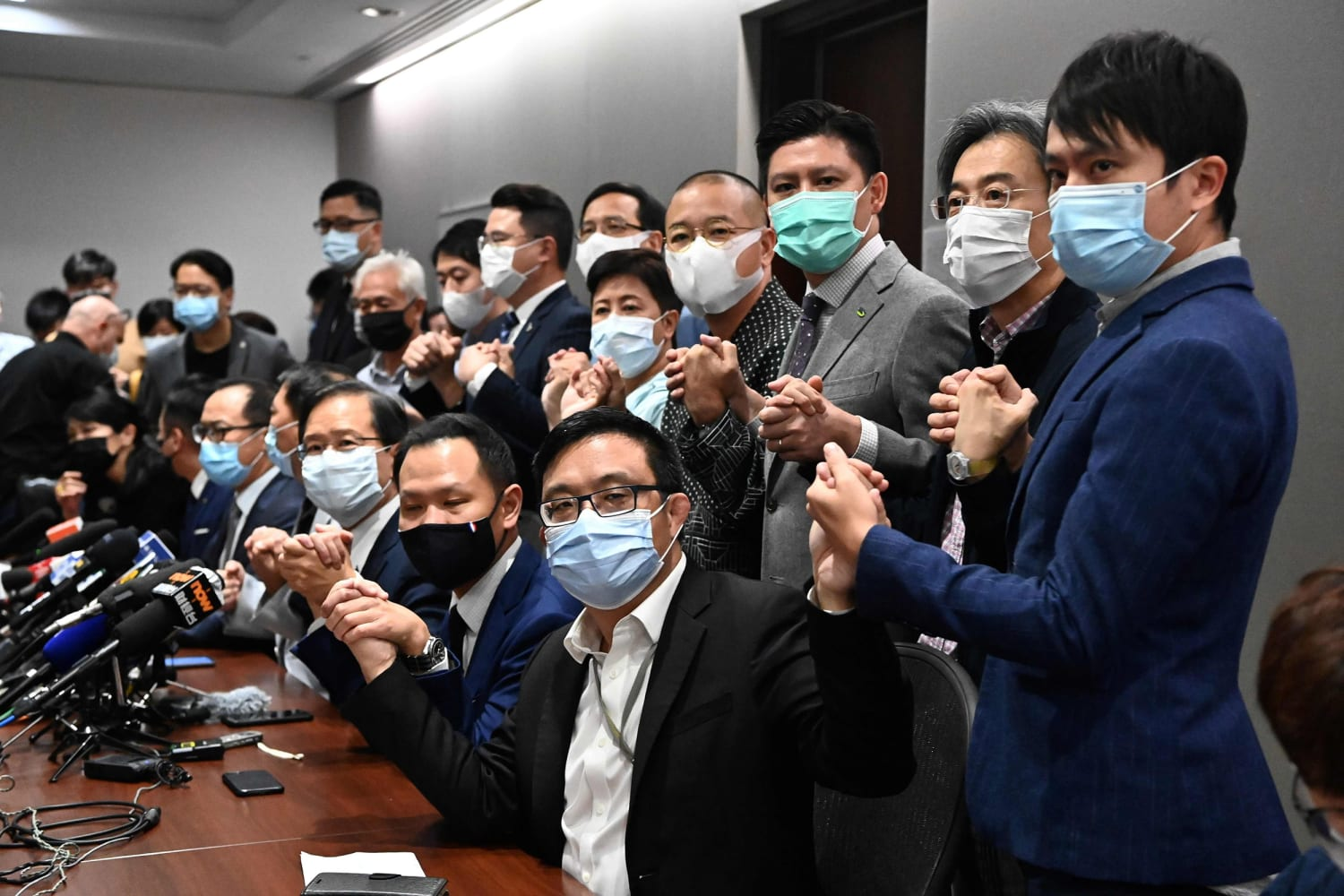
On Tuesday, Hong Kong’s High Court sentenced 45 pro-democracy activists to prison terms ranging from 4 to 10 years following a landmark trial under the Beijing-imposed National Security Law (NSL). The case, involving 47 activists charged with conspiracy to commit subversion, has drawn widespread condemnation from Western governments and international observers.

The charges stem from an unofficial 2020 “primary election” organized to select candidates for Hong Kong’s Legislative Council. Prosecutors alleged the activists planned to paralyze the government through disruptive actions if elected. Prominent legal scholar Benny Tai, described as the scheme’s “mastermind,” received the harshest penalty of 10 years, marking the longest sentence issued under the NSL since its enactment in 2020.


International and Local Backlash

The U.S. and Australia were among the governments voicing strong opposition to the sentences. U.S. officials criticized the trial as “politically motivated” and called for the activists’ release, emphasizing that their actions were peaceful and lawful expressions of political participation. Australia’s Foreign Minister Penny Wong echoed similar concerns, urging Beijing to halt its “suppression of freedoms” in Hong Kong.

China’s foreign ministry dismissed the criticisms, asserting that no one is exempt from legal consequences under the guise of democracy. “Beijing firmly supports Hong Kong’s efforts to safeguard national security,” said spokesperson Lin Jian.

Taiwan also condemned the sentences, stating that democracy and freedom are universal values and pledging continued solidarity with Hong Kong.


Trial Highlights and Sentencing Details

  • Convictions and Sentences: After a 118-day trial, 14 activists were convicted, while 31 others pled guilty, receiving sentences reduced by a third in acknowledgment of their pleas. Joshua Wong, a prominent activist, was sentenced to 4 years and 8 months, while Hendrick Lui received over 4 years.
  • Judicial Justification: Judges emphasized that the activists’ scheme, though potentially unsuccessful, posed significant risks to government stability. They cited the degree of planning and number of participants as aggravating factors.
  • Defendants’ Reactions: Gwyneth Ho, sentenced to 7 years, criticized the crackdown on democracy in a social media post. Outside the court, families and supporters expressed their dismay, with some maintaining the innocence of the activists.

Public and Diplomatic Responses

The trial has further polarized opinions on Hong Kong’s autonomy and freedoms. Hundreds of people queued outside the court in support of the defendants, highlighting the ongoing public concern for the erosion of rights.

The timing of the ruling coincided with an international financial summit in Hong Kong aimed at restoring confidence in its status as a global financial hub. Critics argue that the harsh sentences tarnish the city’s reputation and deepen skepticism about its autonomy.

U.S. President-elect Donald Trump’s nominee for Secretary of State, Marco Rubio, has been a vocal critic, describing the trial as a “comprehensive assault on Hong Kong’s autonomy and fundamental freedoms.”


Implications for Hong Kong

The ruling marks a significant milestone in Beijing’s enforcement of the NSL, signaling its determination to suppress dissent and reshape Hong Kong’s political landscape. While the government defends the law as essential for maintaining stability, critics view the sentences as a chilling message to the pro-democracy movement.

The broader international backlash may increase tensions between Beijing and Western nations while spotlighting the diminishing freedoms in what was once considered Asia’s most vibrant democracy.
Rights Group: Over 100 North Korean Defectors Disappear After Arrest by Secret Police

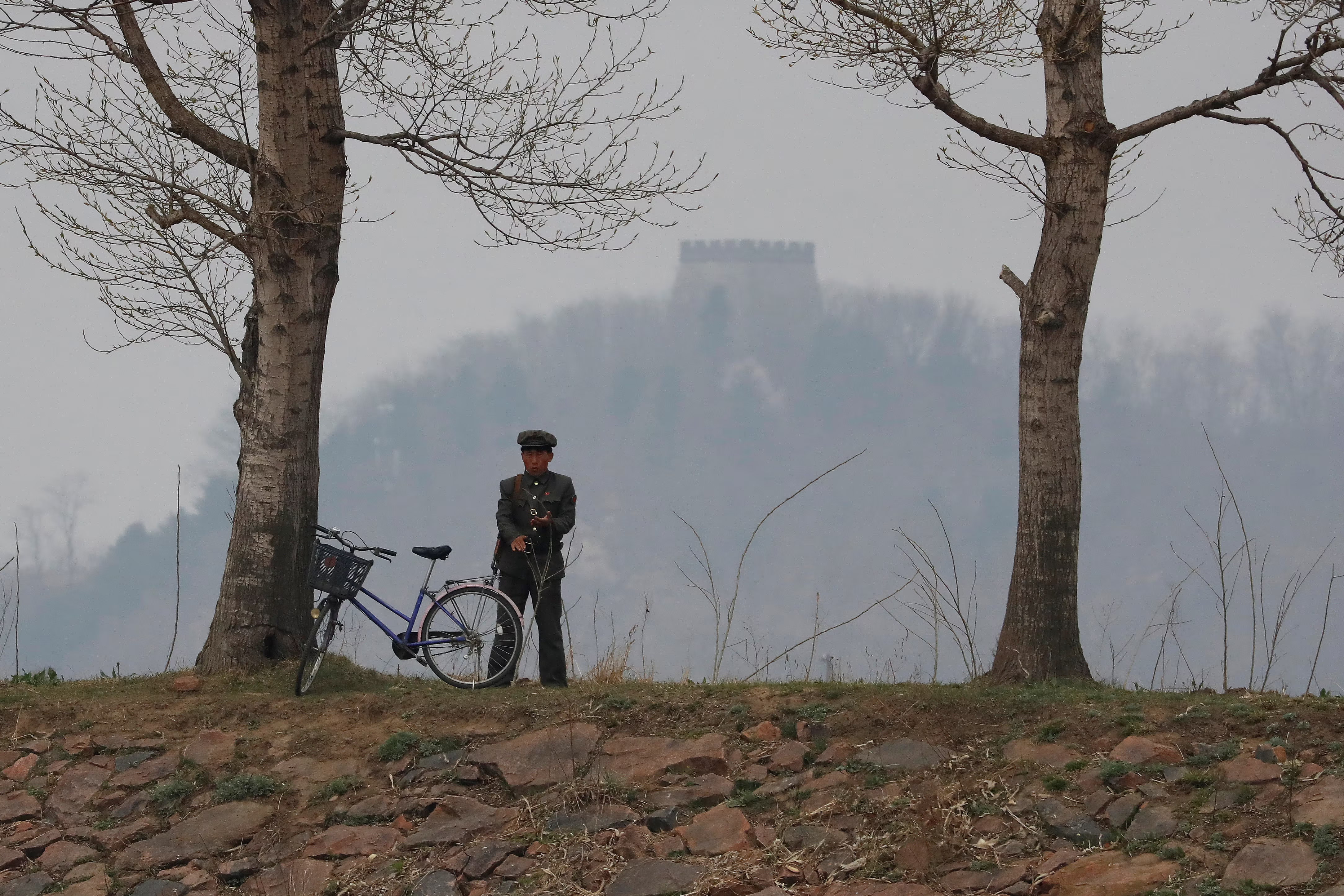
A report by the Seoul-based Transitional Justice Working Group (TJWG) reveals that over 100 North Korean defectors have vanished following arrests by North Korea’s secret police, with some individuals taken after attempting to contact family members in South Korea. The report, based on interviews with 62 North Korean escapees now in South Korea, outlines a disturbing pattern of enforced disappearances. According to TJWG, a database of 66 disappearance cases, developed in collaboration with international organizations, includes mapped routes showing detainee transfers.

Of the 113 individuals noted in the report, 80% were arrested within North Korea and the remainder in China or Russia, with roughly 30% of these arrests occurring since Kim Jong Un came to power in 2011. Nearly 40% were detained for attempted defections, and others disappeared after facing accusations like maintaining contact with people abroad. The report highlights that over 81% of these individuals vanished after being detained by North Korea’s Ministry of State Security (MSS), or “bowibu.” In one account, a recent defector reported that a friend was arrested for attempting to retrieve a Chinese cell phone and was later rumored to have died in custody.

TJWG’s project director, Kang Jeong-hyun, emphasized that these disappearances point to enforced disappearances and crimes extending beyond North Korea, involving China and Russia as well. This report comes just ahead of the U.N. Human Rights Council’s Universal Periodic Review on North Korea. A previous U.N. report estimates up to 200,000 people are held in the North’s detention camps, with prisoners enduring forced labor, torture, starvation, and other human rights abuses.

North Korea’s leadership has long branded defectors as “human scum” and has increased border restrictions in recent years. Meanwhile, China’s government denies the presence of defectors, labeling them as illegal economic migrants. North Korea’s Association for Human Rights Studies recently dismissed a U.N. report detailing human rights violations as fabricated Western propaganda.

Does Chinese Investment Benefit or Harm Ireland?

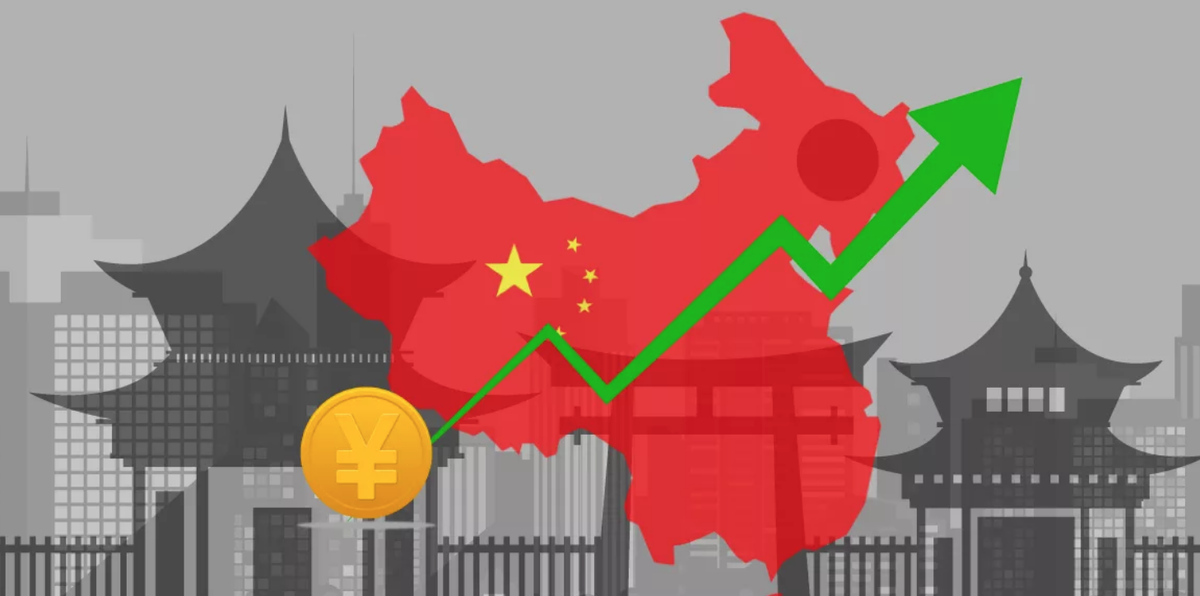
Chinese investment in Ireland has grown significantly, with the number of Chinese companies operating in the country rising from 25 in 2020 to 40 in 2024. This surge has prompted debates about whether these investments offer opportunities for economic diversification or carry reputational and political risks.

For some, Chinese investment represents a chance for Ireland to reduce its dependence on U.S. tech giants like Apple and Alphabet, creating jobs and potentially making the Irish economy more resilient. Companies such as Huawei and WuXi Biologics have made substantial financial contributions, with Huawei alone generating €800 million annually through its operations in Ireland. Additionally, TikTok’s European headquarters is in Dublin, and Chinese retailer Temu relocated its global headquarters to Ireland in 2023.

However, critics argue that these investments come with strings attached. Chinese companies, including Shein, Huawei, and WuXi, have been linked to human rights abuses, labor issues, and national security concerns. Shein, for instance, has faced allegations of child labor in its supply chain, while Huawei and WuXi have been sanctioned by the U.S. over security concerns. Critics like Irish MEP Barry Andrews have voiced concerns about Chinese companies’ practices, calling for stricter scrutiny and pointing out that human rights violations should not be overlooked.

Another concern is Ireland’s relationship with the U.S. Many of the Chinese firms setting up in Ireland, such as Huawei, are companies that have been sanctioned by the U.S., which could create diplomatic friction. Ireland, while aiming to de-risk rather than decouple from Chinese investments, must balance its close ties to both China and the U.S.

Economists are also divided on the benefits of Chinese investment. While the Irish government promotes its pro-business environment, some argue that Ireland’s economy is already heavily reliant on foreign direct investment (FDI). With unemployment at 4.3%, close to full employment, there is debate over whether Ireland needs additional jobs from Chinese firms. Dan O’Brien, chief economist at Ireland’s Institute of International and European Affairs, suggests that Ireland’s FDI dependence is too high, making the country vulnerable to global economic shifts, particularly if deglobalization trends continue.

Other experts, like Constantin Gurdgiev, emphasize that China’s investments offer Ireland a strategic cushion against potential U.S. pullbacks, especially given the pressure on American companies to re-invest domestically. Gurdgiev also points out that Ireland could act as a neutral ground where U.S. and Chinese firms can operate, giving Dublin a geopolitical edge.

Ireland’s relationship with China is further complicated by its low corporation tax, which has historically attracted foreign investment. However, international pressures have led Ireland to raise its tax rate for large companies. In light of corporate tax reforms and competition from other European nations, China’s investments could serve as a counterbalance if U.S. firms begin to relocate.

Nevertheless, Ireland risks playing a “dangerous geopolitical game” by courting Chinese companies while maintaining its diplomatic closeness with the U.S. While the Irish government insists that Chinese investment is part of a broader strategy to keep the economy competitive, the potential risks—both in terms of human rights and national security—cannot be ignored.