Yazılar

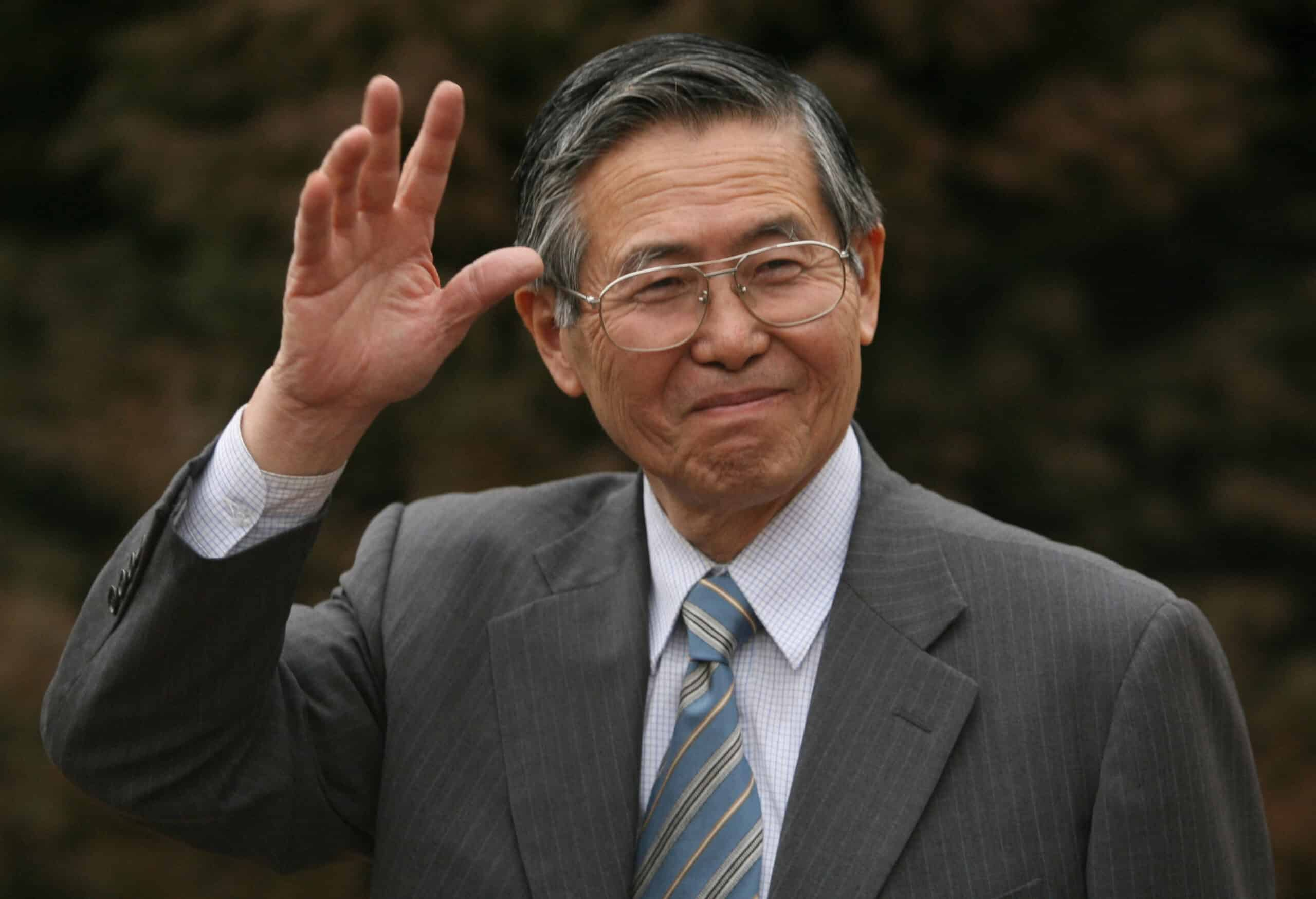
Peru’s Divisive Former President Alberto Fujimori Dies at 86

Alberto Fujimori, the former Peruvian president who presided over economic reforms in the 1990s but was later convicted of human rights abuses, has died at the age of 86. Despite his economic successes, Fujimori’s legacy remains controversial due to his authoritarian measures and corruption scandals. His daughter, Keiko Fujimori, announced his death after a long battle with cancer.

Fujimori rose to prominence in 1990 when he won the presidency as a political outsider, defeating renowned writer Mario Vargas Llosa. He implemented drastic economic reforms, known as “Fuji-shock,” which curbed Peru’s hyperinflation. Fujimori’s presidency is also marked by his crackdown on the Maoist Shining Path insurgency, culminating in the capture of its leader, Abimael Guzman.

However, Fujimori’s time in power was tarnished by allegations of autocracy. In 1992, he used military force to shut down Congress, redrafting the constitution to consolidate power. His administration was riddled with corruption, particularly involving his intelligence chief Vladimiro Montesinos, who was later convicted of bribery and other crimes. In 2000, after videos emerged of Montesinos bribing officials, Fujimori fled to Japan and resigned from office via fax.

In 2007, after being detained in Chile, Fujimori was extradited to Peru, where he was sentenced to 25 years in prison for corruption and human rights abuses. He was briefly pardoned in 2017 but returned to prison after the pardon was overturned. His release was finalized in 2023 due to his declining health.

Fujimori’s daughter, Keiko, remains a prominent political figure in Peru, having run for the presidency multiple times. She and other supporters have consistently defended his legacy, focusing on his role in stabilizing the economy and combating terrorism. Outside his home, supporters gathered after news of his death, mourning the loss of a leader they believed was pivotal to Peru’s development.

 

Israeli Troops Kill Turkish-American Activist at West Bank Protest

Israeli troops shot and killed Aysenur Ezgi Eygi, a 26-year-old Turkish-American activist, during a protest against settlement expansion in the West Bank on Friday, according to Palestinian and Turkish officials. Eygi, who held both U.S. and Turkish citizenship and had recently graduated from the University of Washington, was participating in a demonstration in Beita when she was fatally injured. Turkey’s foreign ministry accused Israeli Prime Minister Benjamin Netanyahu’s government of responsibility for her death, while the White House expressed deep concern and called for an investigation.

Eygi, who was studying psychology and Middle Eastern languages and cultures, was described by her family as a passionate human rights advocate. She had been involved in various protests, including those against U.S. support for Israel’s actions in Gaza. The University of Washington’s president, Ana Mari Cauce, remembered her as a positive influence and peer mentor.

The Israeli military reported that troops fired towards a male protester they deemed a threat but acknowledged that a female foreign national was killed during the incident. The military is reviewing the circumstances of Eygi’s death. No immediate response was given by Netanyahu’s office.

In a related incident, a 13-year-old girl was also killed by Israeli gunfire in the village of Qaryut, near Beita, amid violent confrontations between settlers and Palestinians. The rise in violence by Israeli settlers in the West Bank has provoked international criticism and led to U.S. sanctions on some individuals involved in the settler movement.

Turkey’s President Tayyip Erdogan condemned the killing and vowed to work against what he called Israel’s policy of occupation and genocide. U.S. Senator Chris Van Hollen criticized the Biden Administration for not doing enough to seek justice for American victims and called for a thorough investigation. Since the 1967 Middle East war, Israel’s occupation of the West Bank has been a contentious issue, with international condemnation of Israeli settlements which are widely considered illegal under international law.

Hong Kong Journalists Convicted of Sedition, Sparking Concerns Over Press Freedom Amid Beijing’s Crackdown

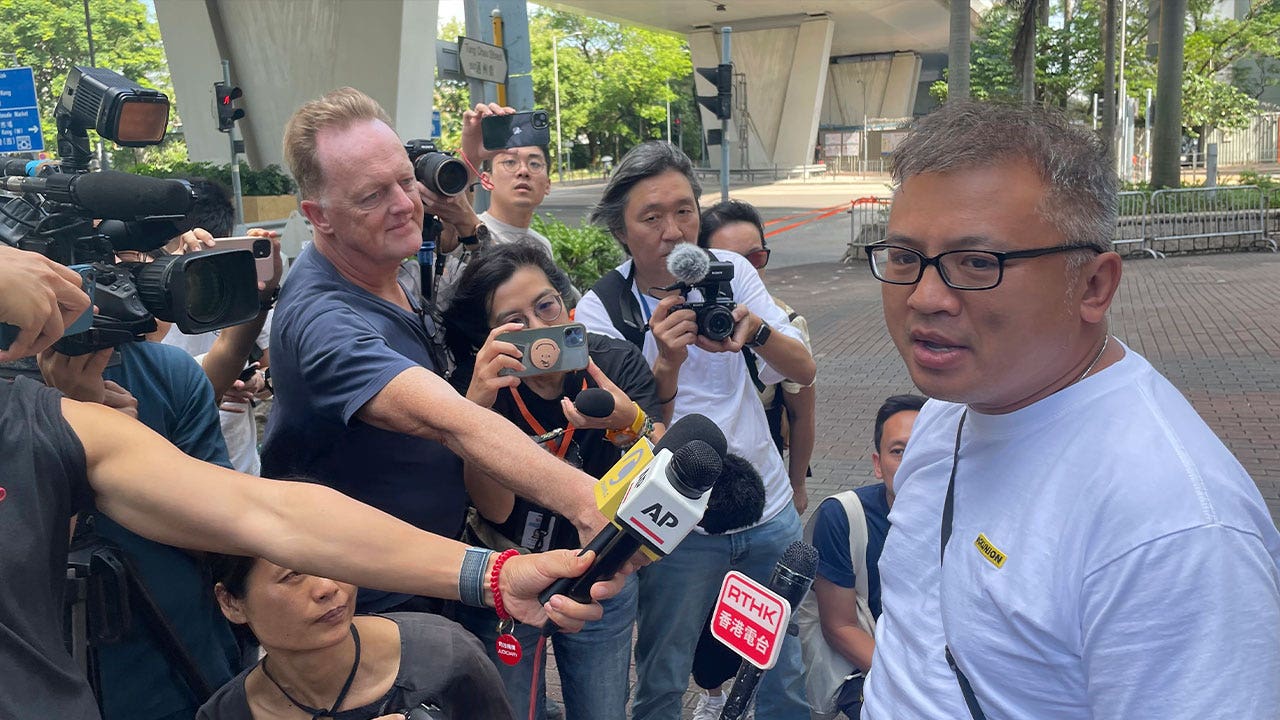
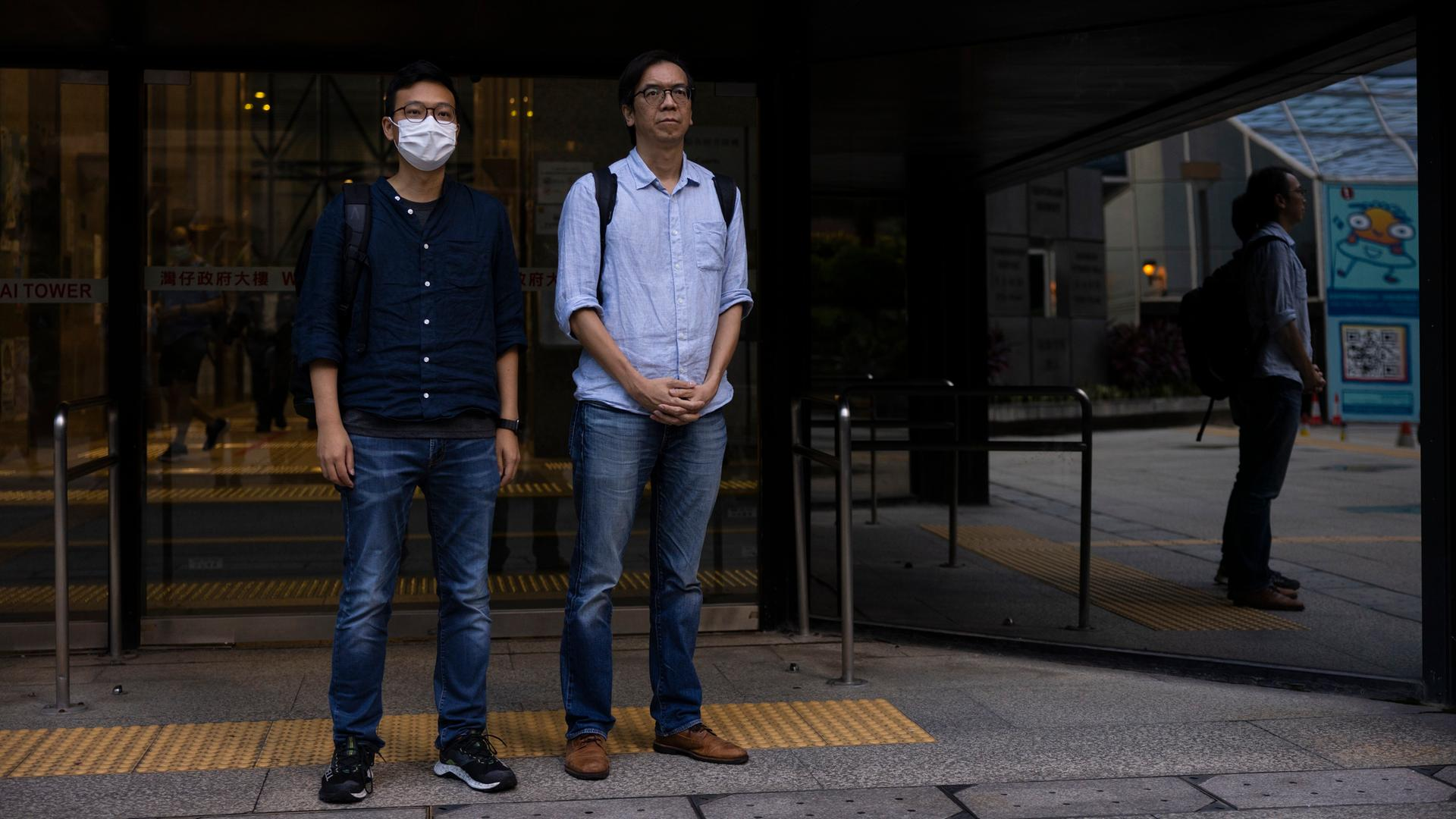
Two former editors of the now-defunct pro-democracy publication Stand News in Hong Kong were found guilty of sedition by a local court, a verdict that has deepened global concerns over press freedom in the semi-autonomous city. Chung Pui-kuen, former editor-in-chief, and Patrick Lam Shiu-tung, former acting editor, were convicted under a colonial-era law that has resurfaced as a powerful tool to suppress dissent, following the 2019 anti-government protests. Critics argue the ruling is a stark reminder of the erosion of press liberties under Beijing’s expanding influence over Hong Kong.

The sedition charges against Chung and Lam arose from the publication of 17 articles between July 2020 and December 2021, which prosecutors claimed incited hatred against both the Hong Kong government and China’s central authorities. The articles included interviews with former opposition lawmakers and pro-democracy activists, many of whom are currently imprisoned or in self-imposed exile. Despite the defense’s argument that the publication maintained balanced journalism by featuring a variety of voices, the court ruled that 11 of the 17 articles were seditious.

Judge Kwok Wai-kin asserted that the articles in question were published during a highly charged political environment and had the intent to incite public hatred and illegal actions against the government. The court emphasized that both Chung and Lam bore responsibility for providing Stand News as a platform to stir unrest. The sentencing for the two journalists will be announced at a later date, with a maximum penalty of two years in prison.

The case marks the first time journalists have been prosecuted for sedition in Hong Kong since its return to Chinese rule in 1997, underscoring the city’s stark transformation from a once-thriving hub of press freedom to a place where critical voices are systematically silenced. Hong Kong’s media landscape has shrunk dramatically since the introduction of the national security law in 2020, with several independent outlets, including Apple Daily and Stand News, being forced to shut down.

Picture background

While authorities in both Hong Kong and Beijing argue that the national security law has restored order following the unrest of 2019, critics see the legislation as a sweeping measure to quash any form of political dissent. The law’s broad reach has left many journalists and activists either jailed or fleeing the city. The recent conviction also coincides with the ongoing trial of media tycoon Jimmy Lai, who faces charges of colluding with foreign forces and sedition, potentially facing life imprisonment if found guilty.

Further compounding fears of censorship, Hong Kong’s government recently passed a second national security law known as Article 23, which increased penalties for sedition-related offences, extending potential prison sentences to 10 years. Media workers have expressed growing concern over these developments, as highlighted in a recent report by the Hong Kong Journalists Association (HKJA). The HKJA’s latest annual survey revealed that press freedom in the city has reached its lowest point since the organization began tracking it in 2013, with journalists increasingly worried about potential repercussions for their work.

Hong Kong leader John Lee, a former police chief, has dismissed concerns about the decline in press freedom, insisting that the city remains a vibrant media hub. However, international watchdogs like Reporters Without Borders (RSF) have offered a grimmer assessment, ranking Hong Kong 135th out of 180 countries in its 2023 World Press Freedom Index—an alarming drop from 18th place in 2002. The steep decline reflects the growing pressure on journalists in the city as Beijing tightens its grip, bringing Hong Kong’s once vaunted media freedoms closer in line with mainland China’s highly controlled press environment, which ranks near the bottom of RSF’s index at 179th.

As the court proceedings continue, the convictions of Chung and Lam serve as a chilling message to those who dare to question or criticize authorities in Hong Kong. The international community will be closely watching how this case, along with others like that of Jimmy Lai, unfolds, as it reflects the ongoing struggle for freedom of expression in the face of authoritarian rule.