Yazılar

Ukraine Destroys Second Russian Bridge in Kursk Offensive; Zelensky Reveals Buffer Zone Strategy

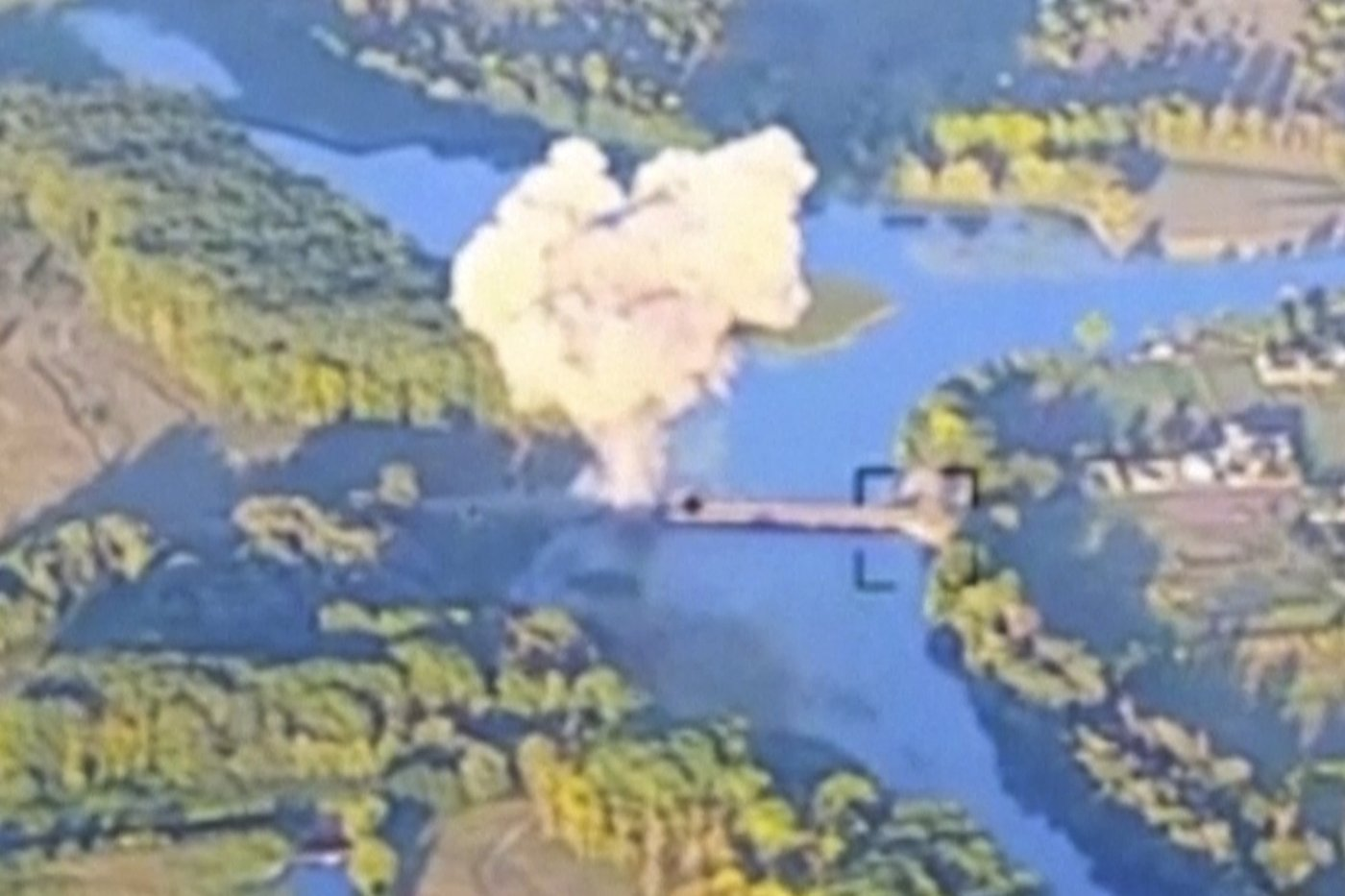
Ukraine has announced the destruction of a second strategic bridge in the Kursk region within a week, continuing its offensive into Russian territory. On Sunday, Ukrainian forces released aerial footage of the attack on a bridge over the Seym River in Zvannoe. Ukrainian Air Force commander Lt Gen Mykola Oleschuk shared the video, highlighting the significant impact of precision airstrikes on Russian logistics.

This development follows the earlier destruction of another Seym River bridge near Glushkovo, which was a key supply route for Russian troops. Ukrainian President Volodymyr Zelensky confirmed that the aims of the incursion include establishing a “buffer zone” to prevent further Russian attacks.

Zelensky emphasized that the ongoing operation in Kursk is intended to “destroy as much Russian war potential as possible” and to conduct maximum counteroffensive actions. He noted that Ukrainian troops are strengthening their positions and expanding further into Russian territory, marking nearly two weeks of sustained military presence in Kursk.

In response, Moscow has labeled the incursion a significant provocation and vowed retaliation. Meanwhile, in eastern Ukraine, Russian forces continue to make gains, claiming control over several villages.

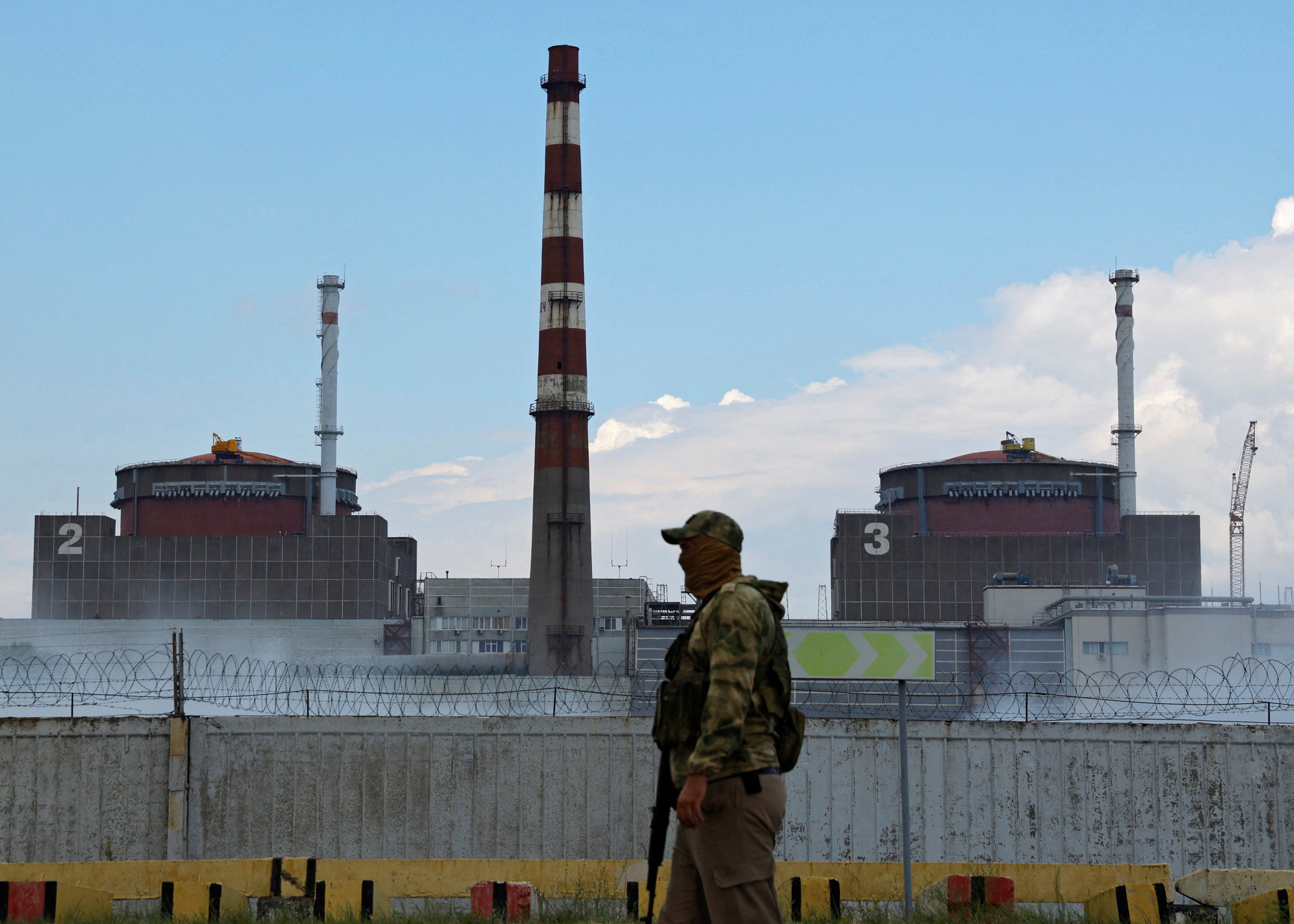
The situation at the Zaporizhzhia nuclear power plant, located in Russian-occupied Ukraine, is also under scrutiny. Rafael Grossi, head of the International Atomic Energy Agency (IAEA), expressed deep concern over the plant’s safety following a recent drone strike near its perimeter. The IAEA called for “maximum restraint” to protect the facility, which has been under attack and is currently not operational.

This ongoing conflict marks the first time foreign troops have entered Russian soil since World War II, leading to a significant escalation in the war’s intensity.
Safety at Zaporizhzhia Nuclear Plant Deteriorates Following Drone Strike, IAEA Warns

The safety situation at the Zaporizhzhia Nuclear Power Plant in southern Ukraine is worsening, following a drone strike on a nearby road, according to the International Atomic Energy Agency (IAEA). The plant, under Russian control since March 2022, faces increasing threats, with IAEA Director General Rafael Mariano Grossi expressing grave concern over the escalating nuclear safety and security risks. The drone strike, which occurred near essential cooling water sprinkler ponds and a crucial power line, did not result in casualties or equipment damage, but the road between the plant’s main gates was affected.

Russian media outlet TASS blamed Ukraine for the attack, claiming the strike posed a direct threat to the plant’s personnel and safety. Ukraine has not commented on the incident, though both nations have previously accused each other of endangering the plant. The IAEA reported intensified military activity in the area, including a significant fire at one of the plant’s cooling towers earlier in the week, which, although it did not pose an immediate nuclear threat, caused considerable damage.

This latest incident underscores the vulnerability of nuclear facilities in conflict zones, with Grossi reiterating the need for strict adherence to safety principles. The IAEA team also noted air raid alarms and drone attacks at other nuclear sites across Ukraine, including Khmelnytskyy, Rivne, and South Ukraine, as well as at Chernobyl. Grossi emphasized that nuclear plants are not designed to withstand direct military attacks, highlighting the critical need for continued monitoring of these fragile situations.

Grossi has expressed willingness to visit the Zaporizhzhia plant, while Russian officials have also extended an invitation for him to visit the Kursk Nuclear Power Plant in southern Russia, amid ongoing conflict in the region. Ukrainian authorities have warned of potential Russian provocations, accusing Moscow of attempting to frame Ukraine for a “dirty bomb” attack or other nuclear threats. The deteriorating situation at Zaporizhzhia and the surrounding conflict zones continues to raise alarms about the safety and security of nuclear facilities in the region.