Yazılar

Trump and Harris Compete for Latino Voters Ahead of Presidential Election

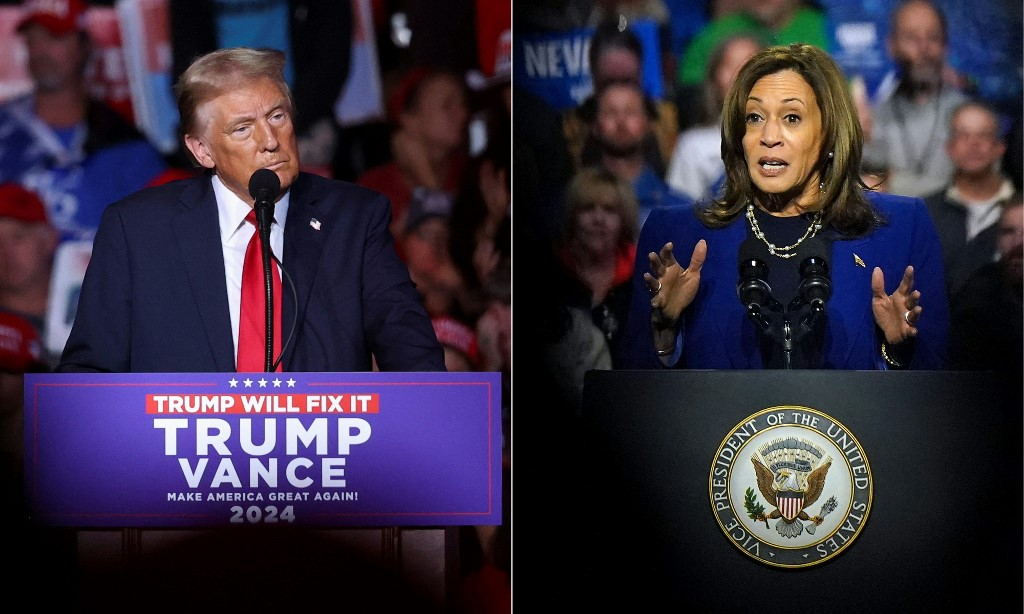
With Election Day just around the corner, former President Donald Trump and Vice President Kamala Harris have intensified their efforts to court the Latino vote, campaigning across southwestern states where Latino voters hold considerable sway. Latino voters represent 14.7% of all eligible voters in the U.S. for this election, with New Mexico leading with a Latino population share of about 45%, followed by California, Texas, Arizona, and Nevada. While California and Texas are predictably blue and red respectively, Arizona and Nevada, where Harris held her rallies, are crucial swing states.

Democrats have historically led with Latino voters, but recent polling shows that this advantage has waned over the last four election cycles, especially among Latino men, some of whom favor Trump on issues such as inflation and cost of living. Addressing a crowd in Albuquerque, New Mexico, Trump said, “I like you very much, and it’s good for my credentials with the Hispanic or Latino community,” though he jokingly asked the audience not to make him “waste a whole damn half a day here.” Despite New Mexico’s blue tilt—President Joe Biden won the state by 10.8 points in 2020—Trump believes he can win it, claiming, “We almost won it twice, and let me tell you, I believe we won it twice,” while suggesting that prior election results in New Mexico were manipulated.

Trump’s campaign, however, faced backlash last week after comedian Tony Hinchcliffe made offensive comments about Latinos during a Trump rally at Madison Square Garden, calling Puerto Rico “a floating island of garbage” and joking that Latinos “love making babies.” Campaign officials quickly distanced Trump from these remarks, though the former president has yet to apologize directly.

In New Mexico, Trump’s message focused heavily on immigration and border security, emphasizing the state’s border issues and asserting, “I am the only one that knows how to fix it.” However, a recent CNBC poll revealed that Latino voters ranked immigration as their fourth most pressing concern, with inflation, jobs, and threats to democracy taking higher priority. Furthermore, more Latino voters view immigration as beneficial to the U.S., though the gap has narrowed in recent years.

In contrast, Vice President Harris campaigned in Phoenix, Arizona, and in Reno and Las Vegas, Nevada, with a focus on the economy while contrasting her approach to Trump’s stance on immigration. “With five days left in this campaign, my opponent is making his closing argument to America—a message filled with hate and division,” Harris told the Phoenix crowd. “He insults Latinos, scapegoats immigrants, and it’s not just what he says; it’s what he will do if elected.”

At a Las Vegas rally, Harris was introduced by singer Jennifer Lopez, who emphasized her Puerto Rican heritage and addressed the significance of Latino unity, saying, “[Trump] has consistently worked to divide us. It wasn’t just Puerto Ricans that were offended that day; it was every Latino in this country.”

Both campaigns are ramping up efforts to reach Latino voters as November 5 approaches. Recently, Trump convened a roundtable with Latino business leaders in Florida, while Harris appeared in a pre-recorded interview aired by Telemundo, demonstrating the critical role that Latino voters are expected to play in this year’s election.
 

Are Immigrants Really Taking Jobs from U.S.-Born Workers? Here’s What Economists Say

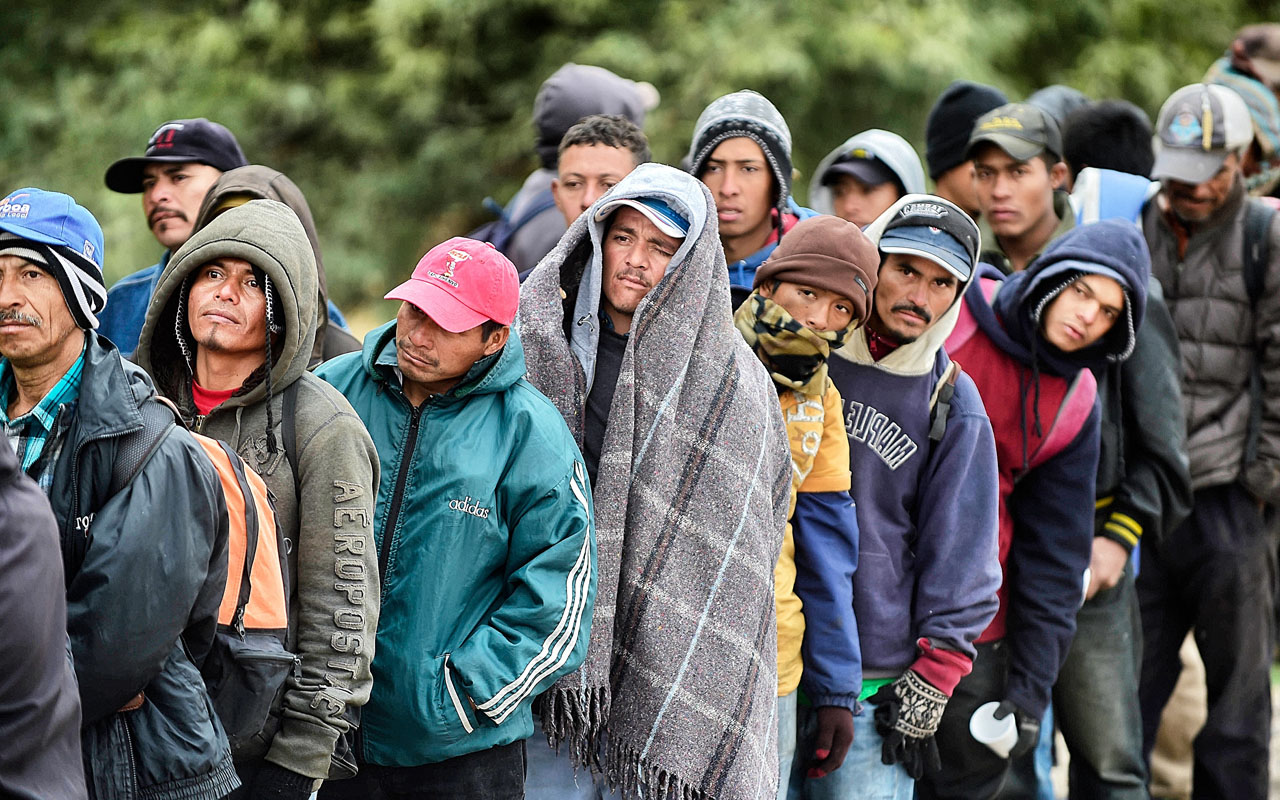
The notion that immigrants are taking jobs from U.S.-born workers is a frequent talking point, especially on the presidential campaign trail. Former President Donald Trump, in particular, has often claimed that immigrants are taking jobs away from Americans. For instance, during a speech in Wilmington, North Carolina, he declared, “They’re taking your jobs.”

For many Republican voters, immigration is a key issue—second only to the economy in importance. According to a recent Pew Research Center survey, 82% of Trump supporters say immigration is a significant factor in their 2024 voting decisions. In contrast, immigration ranks as the lowest-priority issue for Democrats.

However, economists who study the U.S. labor market generally agree that immigrants don’t significantly reduce job opportunities or wages for native-born workers. According to Alexander Arnon, director of business tax and economic analysis at the Penn Wharton Budget Model, “The consensus is very strong that there are not significant costs to U.S.-born workers from immigration, at least the type of immigration we have historically had in the U.S.”

Picture background

Why Immigrants Benefit the Economy Economists point out several reasons why immigrants often help rather than harm the economy. First, the labor market is dynamic, not fixed. Immigrants not only take jobs, but they also create new ones by spending within local economies and starting businesses. A study by the National Bureau of Economic Research found that immigrants are 80% more likely to become entrepreneurs compared to native-born workers. Additionally, the Congressional Budget Office (CBO) estimates that a recent surge of immigrants will contribute $8.9 trillion to the U.S. GDP over the next decade.

As Michael Clemens, an economist at George Mason University, puts it, “That’s enormous. It creates jobs, raises pay, and increases the complexity of the U.S. economy.”

Moreover, immigrants and native workers often complement each other in the workforce. For example, in industries such as food service or agriculture, native-born workers might handle customer-facing tasks, while immigrants perform roles that don’t require advanced language skills.

Short-Term Impacts on Wages Some research does suggest that immigrants can have a short-term effect on the wages of less-educated native-born workers, particularly those without high school diplomas. One notable study by Harvard economist George Borjas analyzed the impact of the Mariel boatlift, when over 125,000 Cuban refugees arrived in South Florida in the 1980s. Borjas found that this sudden influx of workers reduced wages for high school dropouts in Miami by 10% to 30%.

However, other economists, such as Nobel laureate David Card, have disputed Borjas’ findings, arguing that the Mariel boatlift didn’t significantly impact wages or unemployment. Card’s research suggests that the influx of workers did not lead to job losses or wage reductions for non-Cuban workers in Miami.

Clemens also disagrees with Borjas’ conclusions, emphasizing that while sudden immigration surges can temporarily impact the job market, immigrants tend to create jobs over time. He asserts, “The job creation effect overwhelms the competition effect, even in the short term.”

Long-Term Economic Benefits Over the long term, immigrants contribute to economic growth by filling labor shortages and helping to “cool” overheated markets. This was particularly true during the pandemic-era economy, when immigrant workers alleviated staffing shortages in industries like leisure and hospitality. Economist Elior Cohen, writing for the Federal Reserve Bank of Kansas City, notes that immigrant labor helped ease inflationary wage pressures in 2021 and 2022.

Additionally, research shows that immigration tends to boost wages for native workers in the long run. For instance, a study by economists Giovanni Peri and Alessandro Caiumi found that between 2000 and 2019, native workers in direct competition with immigrants for jobs often experienced “occupational upgrading,” which ultimately led to higher wages.

In conclusion, while the impact of immigration on the job market may vary depending on the economic environment, the consensus among economists is that immigration benefits the economy more than it harms it. Immigrants are not simply taking jobs—they are creating new opportunities, increasing GDP, and helping stabilize labor markets during times of economic strain.

Austria’s Far-Right FPÖ Leads in Upcoming Election: How Did It Rise to Power?

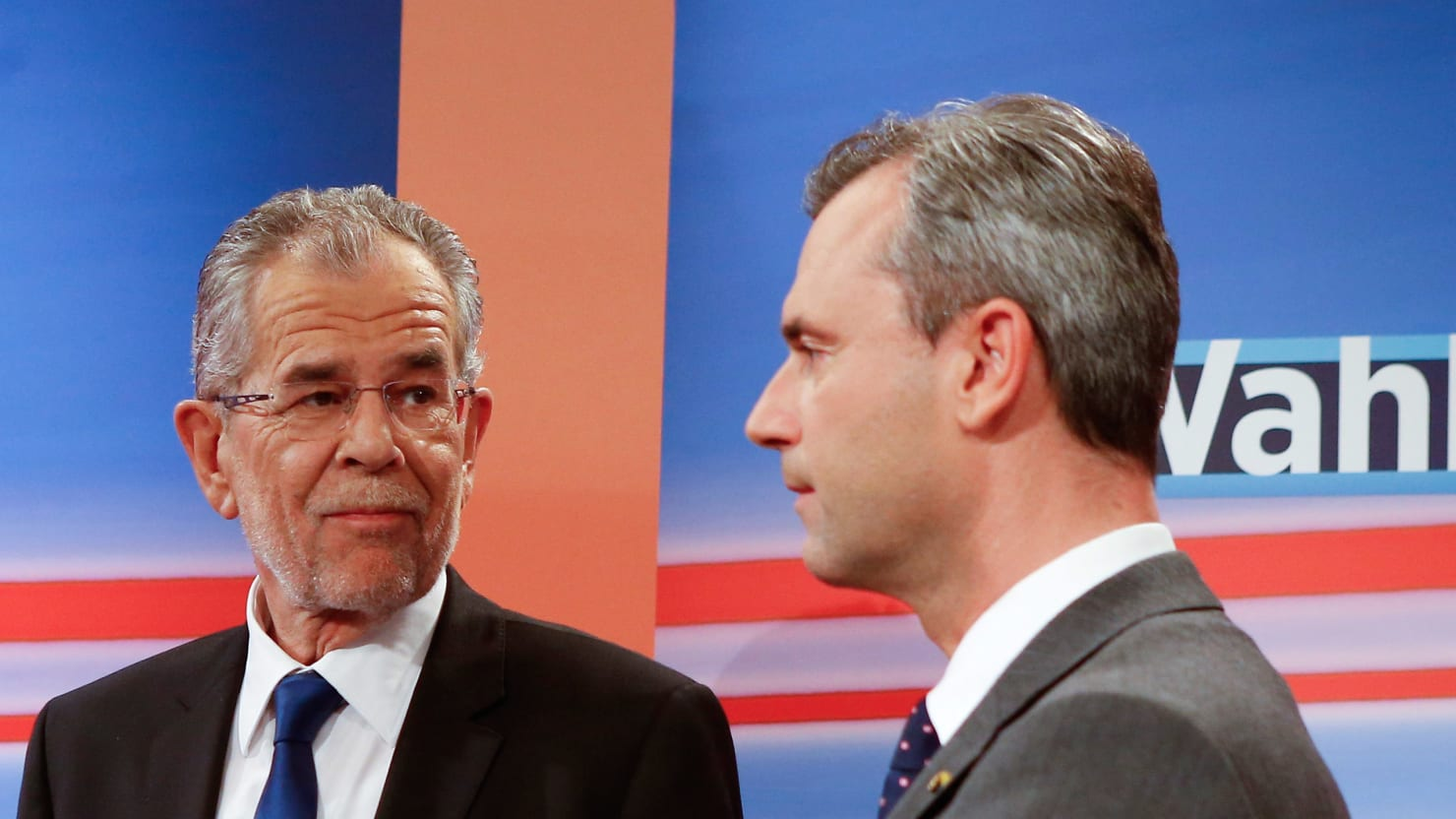
Austria’s Freedom Party (FPÖ), a far-right, anti-immigration party, is expected to win the national election this Sunday, marking another rise of the far-right in Europe. However, unlike many populist movements, the FPÖ is no newcomer. Founded in the 1950s, it has previously held power and is poised to leverage growing discontent with immigration, inflation, and Austria’s relationship with the European Union.

The FPÖ has traditionally drawn support by opposing immigration and the EU, as well as advocating for Austria’s neutrality in the Russia-Ukraine war. Its leader, Herbert Kickl, has promised to fortify the country’s borders and focus on “remigration” policies to return immigrants to their countries of origin. He has also opposed sanctions on Russia and criticized COVID-19 vaccines, describing them as a “genetic experiment.” Kickl’s fiery rhetoric has resonated with Austrians frustrated by inflation, energy dependence on Russia, and the country’s political elite.

Despite its controversial history, rooted in Nazi sympathizers, the FPÖ has garnered substantial support, with polls indicating it could secure around 27% of the vote. However, it is unlikely to win an outright majority and would need a coalition partner. The conservative Austrian People’s Party (ÖVP) could be a potential ally, though current Chancellor Karl Nehammer has expressed reluctance to collaborate with Kickl due to his radical views.

The FPÖ’s rise mirrors broader far-right movements across Europe, as seen in France’s National Rally, Italy’s Lega, and Germany’s AfD. Like these parties, the FPÖ has capitalized on voter disillusionment with mainstream parties, positioning itself as a defender of Austrian values and a voice for those who feel neglected by the political establishment.

If the FPÖ manages to form a coalition, it would strengthen the far-right’s influence, not just in Austria but across Europe, signaling a shift in the political landscape as voters increasingly turn to populist and nationalist platforms.