Yazılar

Specialized Robots Surge as Investors Favor Function Over Flash

Investors are pouring billions into task-specific robots that prioritize utility over flair, signaling a shift from the pursuit of humanoid machines to efficient, profitable automation. These boxy, utilitarian robots — more warehouse workhorse than sci-fi android — are quietly transforming industries by doing one thing well: repeating a task reliably and cheaply.

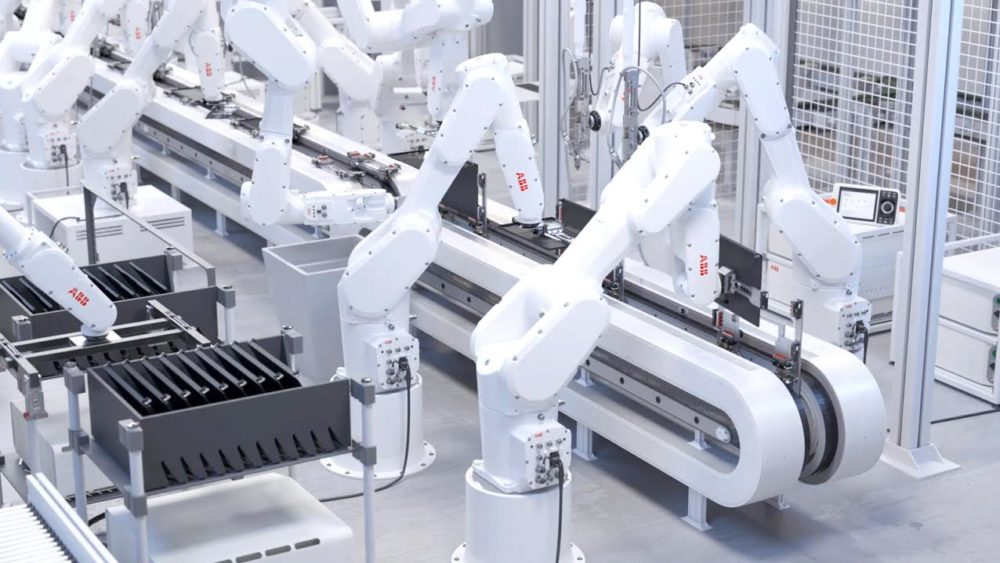
Instead of dancing or flipping like Boston Dynamics’ Atlas, these machines haul industrial parts, collect waste, deliver hospital supplies, and inspect equipment. The appeal? Predictable performance, scalable deployment, and a clearer path to returns.

“We’ve found that by solving a very specific problem in a high-need area like healthcare, we can create a sustainable business model,” said Andrea Thomaz, CEO of Diligent Robotics, maker of the hospital-assistant robot Moxi.

Investment Boom in Purpose-Built Robots

According to PitchBook, robotics firms raised $2.26 billion globally in Q1 2025, and over 70% of that went to companies building task-focused robots — a clear vote of confidence in function-first machines.

  • Ati Motors, based in Bengaluru, has deployed hundreds of its Sherpa Tug robots across 50+ industrial sites, hauling loads of over 1,000 kg for clients like Hyundai, Bosch, and Forvia.

  • ViaBot, backed by Era Ventures, focuses on automating trash collection in parking lots.

  • Diligent Robotics’ Moxi helps in hospitals by handling supply deliveries and lab sample transport, reaching product-level profitability.

CEO Saurabh Chandra of Ati Motors credited Nvidia’s Orin NX chip for enabling real-time AI on the edge, reducing dependency on cloud infrastructure and improving robot autonomy.

Humanoids Lag Behind in Practical Use

In contrast, companies pursuing general-purpose humanoid robots face serious challenges:

  • Lack of physical training data: Unlike language models trained on internet-scale datasets, robots must learn by doing.

  • Cost and complexity: Hardware alone can cost $50,000–$200,000 per unit, much higher than the $5,000–$100,000 range for task-specific bots.

  • Limited environments: Even advanced humanoids like those from Figure AI are confined to structured settings like car factories.

“(True) general-purpose robots have not really been invented yet,” said Marc Theermann, Chief Strategy Officer at Boston Dynamics. “Anyone claiming commercial general-purpose deployment is over-promising and will under-deliver.”

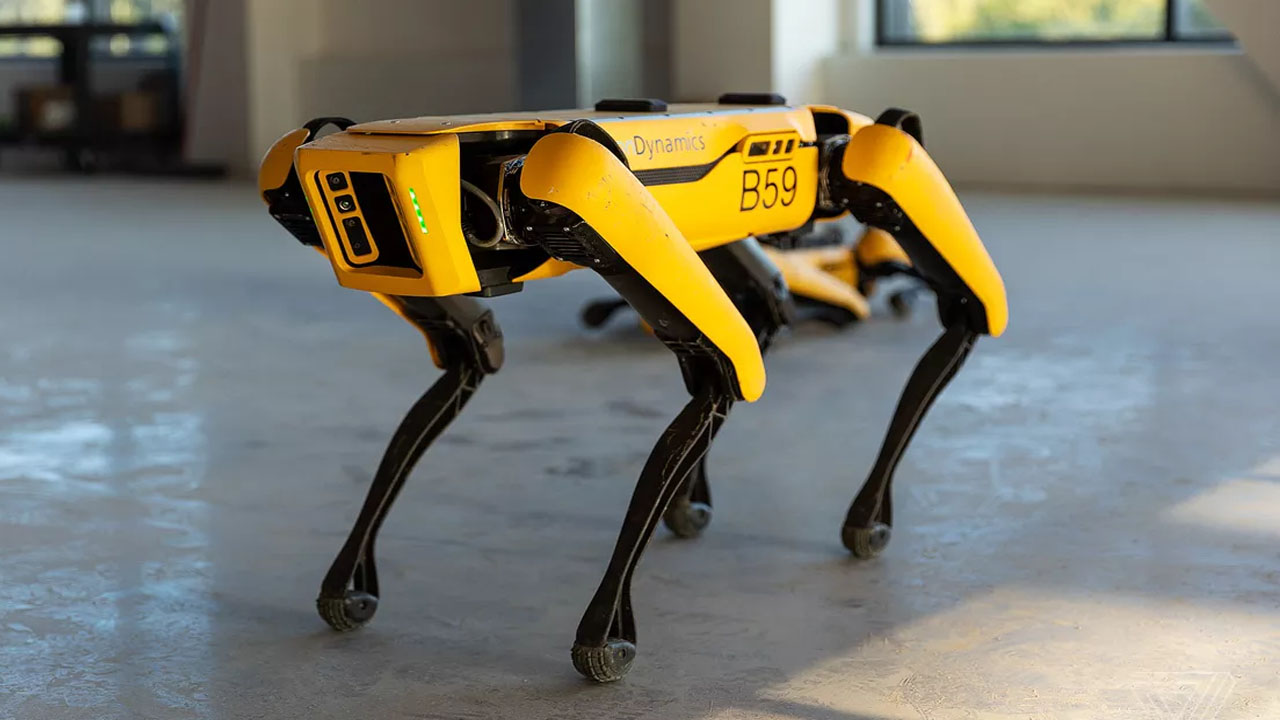
Boston Dynamics is instead capitalizing on niche opportunities like Spot, a quadruped robot used for industrial inspection.

Strategic Outlook

Investors see current deployments of functional robots as proving grounds for a future where humanoid robots may eventually scale, once reliability and cost barriers are overcome.

“There will be robots built for a task doing something very useful, very cost-effectively,” said Raja Ghawi of Era Ventures. “And as that gets better, people will realize there is a good reason to have a full humanoid.”

Siemens Beats Q2 Forecast, Sees Limited Profit Hit From Tariffs

Siemens reported stronger-than-expected second-quarter earnings on Thursday and said the global surge in tariffs will have only a limited impact on its full-year profit, thanks to its diversified global manufacturing base and flexible pricing strategy.

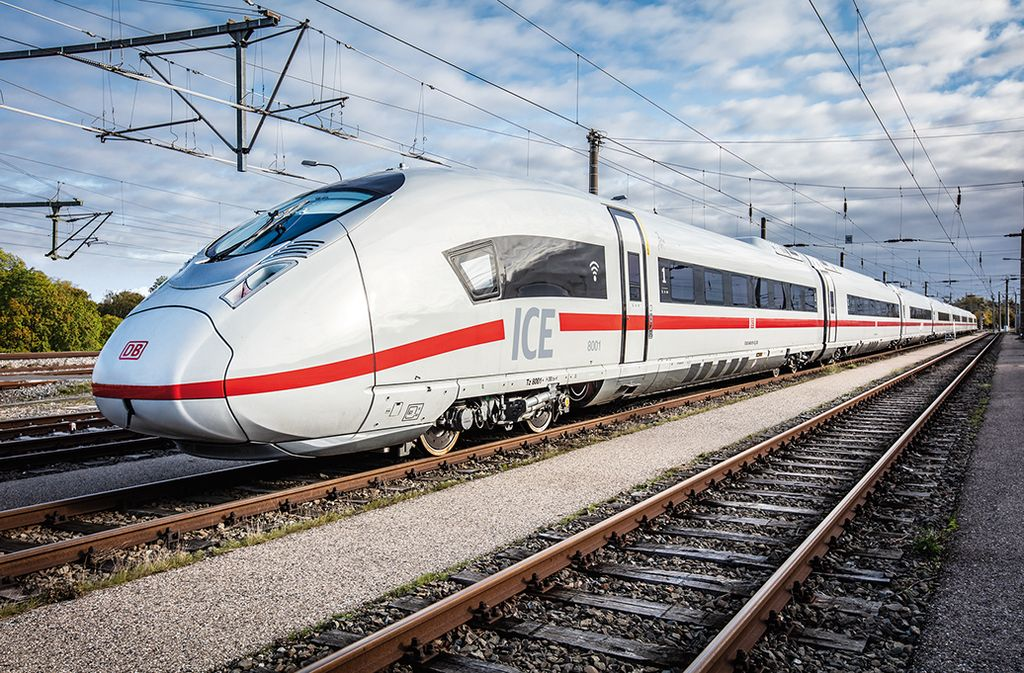
The German industrial giant, known for its factory automation systems, software, and rail technology, posted a 29% rise in industrial profit to 3.24 billion, well above analyst expectations of 2.75 billion.

Tariff Strategy and Global Footprint:

CEO Roland Busch stated that while trade barriers do pose challenges, Siemens is well-positioned to mitigate their impact. The company estimates the total tariff-related effect on 2024 profit will be in the high double-digit to low triple-digit million-euro range.

To minimize exposure, Siemens is:

  • Adjusting procurement strategies

  • Diversifying production

  • Increasing prices selectively (but cautiously)

We’re going to act with a slow hand,” said CFO Ralf Thomas, indicating Siemens is not planning any immediate price hikes or shifts in manufacturing locations. The company operates 150 factories worldwide, including 28 in the U.S., 23 in China, and 12 in India, reducing its vulnerability to any one region’s trade policy.

Market Outlook:

Despite global economic uncertainty and customer caution — partly stemming from trade tensions between the U.S. and China, even as they declared a truce this week — Siemens reaffirmed its full-year sales growth forecast of 3% to 7% through September.

Siemens competes globally with peers like Schneider Electric and ABB, and remains a key barometer for global industrial demand. Its resilience to tariffs and strong quarterly performance reinforce investor confidence, even in a volatile trade environment.

Aeva Sells 6% Stake for $50M and Inks Manufacturing Deal, Shares Rise 3%

Aeva Technologies, a Silicon Valley-based lidar sensor maker founded by ex-Apple engineers, announced on Wednesday that it has sold a 6% equity stake for $50 million to an unnamed strategic partner. The partner—described only as a technology-focused affiliate of a Global Fortune 500 companywill also take on future manufacturing responsibilities for Aeva’s passenger vehicle sensor production.

The announcement boosted Aeva’s stock by 3%, signaling investor optimism around the new cash injection and potential production scalability.

🔍 About Aeva’s Technology

  • Aeva develops lidar (light detection and ranging) sensors that offer 3D mapping capabilities for autonomous vehicles and industrial automation.

  • Unique to Aeva’s sensors is the ability to measure velocity, not just distance, enabling systems to differentiate between moving and stationary objectscritical for autonomous driving and factory robotics.

🤝 Strategic Manufacturing Partnership

  • The unnamed partner will support sensor production for passenger vehicles, suggesting a scaled manufacturing plan to meet automotive industry demand.

  • While not confirmed, the deal could accelerate Aeva’s entry into commercial automotive fleets, expanding beyond its current testing and pilot phases.

🚗 Existing Industry Collaborations

Aeva already has:

  • A partnership with Daimler Truck AG for autonomous driving.

  • Sensor applications in Japanese and German manufacturing firms to detect defects in fast-moving production lines.

💼 Financial Implications and Outlook

  • The $50 million stake sale gives Aeva additional runway as it gears up for broader deployment and earnings season.

  • The company was scheduled to report quarterly results after Wednesday’s market close, which could further illuminate growth strategy and customer traction.

This move aligns Aeva with an influential manufacturing player, potentially increasing its supply chain resilience and giving it the edge to compete in the intensifying lidar and autonomous tech markets.