Yazılar

EU Defends Digital Markets Act, Insists It’s Not Targeting U.S. Tech Giants

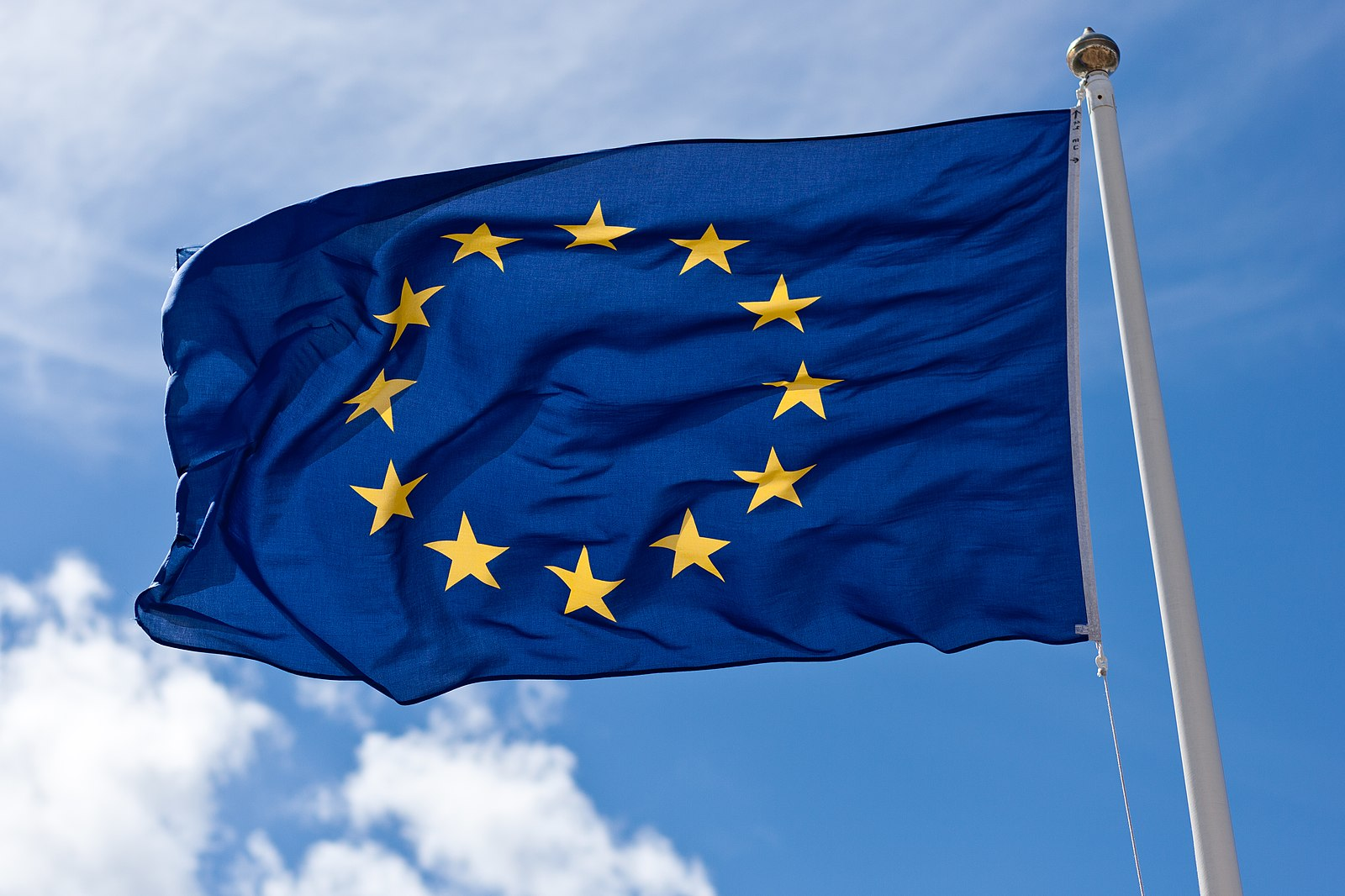
European Union officials have rejected accusations that their new Digital Markets Act (DMA) is aimed at U.S. tech giants. In a joint letter to U.S. congressmen Jim Jordan and Scott Fitzgerald, EU antitrust chief Teresa Ribera and EU tech chief Henna Virkkunnen emphasized that the DMA is designed to keep digital markets open and applies to all companies meeting the criteria for being considered “gatekeepers,” regardless of their headquarters.

Ribera and Virkkunnen responded to concerns raised by U.S. lawmakers about the potential impact of the DMA on U.S. firms. The letter, dated March 6, clarified that the law does not specifically target U.S. companies, but instead applies to any firm that fits the established gatekeeper definition in the EU.

The EU officials also defended the DMA against criticism that it could stifle innovation. They argued that the act aims to prevent unfair practices by dominant players, thus fostering a more open and competitive digital market that will allow new players to emerge and innovate. Ribera and Virkkunnen highlighted that similar concerns over monopolistic behavior had prompted antitrust investigations and legal actions against companies like Google, Amazon, Apple, and Meta in the U.S. under the Trump administration and beyond.

In response to claims that EU fines on American tech firms resemble a European tax, the EU officials emphasized that the primary goal of enforcement is to ensure compliance with the law, not to impose punitive measures. They pointed out that sanctions, which are a standard feature of both EU and U.S. regulations, are essential for ensuring effective enforcement.

UK Competition Regulator Approves $35 Billion Synopsys-Ansys Merger

The UK’s competition regulator has approved the $35 billion acquisition of Ansys by Synopsys after accepting specific remedies from the companies. With this decision, the Competition and Markets Authority (CMA) confirmed it would not escalate the review to a more in-depth Phase 2 investigation.

Initially, the watchdog raised concerns in December that the merger could reduce innovation and lead to higher prices. However, Synopsys and Ansys addressed these issues, paving the way for regulatory approval.

Synopsys, a leading provider of chip design software, announced the cash-and-stock deal for Ansys in January. Ansys specializes in simulation software used across various industries, from aerospace to consumer goods. The approval marks a significant milestone for the merger, which aims to expand Synopsys’ footprint beyond semiconductor design into broader engineering and simulation markets.

Key Quotes from US Vice President JD Vance’s AI Speech at the Paris Summit

U.S. Vice President JD Vance delivered his first major international speech on Tuesday, outlining the artificial intelligence (AI) policies of the Trump administration. Emphasizing innovation, deregulation, and the protection of free speech and U.S. workers, Vance positioned AI as the dawn of a new industrial revolution. Below are key quotes from his address:

  • “I’m not here this morning to talk about AI safety, which was the title of the conference a couple of years ago. I’m here to talk about AI opportunity.”
  • “The Trump administration believes that AI will have countless revolutionary applications in economic innovation, job creation, national security, health care, free expression, and beyond. To restrict its development now would not only unfairly benefit incumbents in this space, but it would mean paralyzing one of the most promising technologies we have seen in generations.”
  • “This administration will ensure that American AI technology continues to be the gold standard worldwide, and we are the partner of choice for other foreign countries and certainly businesses as they expand their own use of AI.”
  • “Excessive regulation of the AI sector could kill a transformative industry just as it’s taking off. We’ll make every effort to encourage pro-growth AI policies, and I’d like to see that deregulatory flavor making its way into a lot of the conversations at this conference.”
  • “We feel very strongly that AI must remain free from ideological bias, and that American AI will not be co-opted into a tool for authoritarian censorship.”
  • “The Trump administration will maintain a pro-worker growth path for AI, so it can be a potent tool for job creation in the United States.”
  • “The United States of America is the leader in AI and our administration plans to keep it that way.”
  • “America wants to partner with all of you. We want to embark on the AI revolution before us with the spirit of openness and collaboration. But to create that kind of trust, we need international regulatory regimes that foster the creation of AI technology rather than strangle it, and we need our European friends in particular to look to this new frontier with optimism.”
  • “The Trump administration is troubled by reports that some foreign governments are considering tightening screws on U.S. tech companies with international footprints. America cannot and will not accept that, and we think it’s a terrible mistake.”
  • “At this moment, we face the extraordinary prospect of a new industrial revolution. But it will never come to pass if over-regulation deters innovators from taking the risks necessary to advance the ball.”
  • “The Trump administration will ensure that AI systems developed in America are free from ideological bias and never restrict our citizens’ right to free speech.”
  • “We’ve also watched as hostile foreign adversaries have weaponized AI software to rewrite history, surveil users, and censor speech. Some authoritarian regimes have stolen and used AI to strengthen their military intelligence and surveillance capabilities.”
  • “We will always center American workers in our AI policy. We refuse to view AI as a purely disruptive technology that will inevitably automate away our labor force.”
  • “We must focus now on the opportunity to catch lightning in a bottle, unleash our most brilliant innovators, and use AI to improve the well-being of our nations and their peoples.”