Yazılar

EU Digital Rules Hurting Innovation and European Users

Google is warning that the European Union’s Digital Markets Act (DMA)—a sweeping antitrust law targeting Big Tech—is stifling innovation and leading to worse experiences for European consumers and businesses. The message will be delivered Tuesday at a European Commission workshop convened to allow Google critics to voice concerns and seek clarity.

Google’s legal team will argue that the new regulatory demands, intended to reduce the dominance of platforms like Google Shopping and Google Flights, are backfiring. According to Clare Kelly, one of Google’s lawyers, the company’s efforts to comply have resulted in clunky interfaces, higher ticket prices, and a 30% drop in direct booking traffic for airlines, hotels, and restaurants across Europe.

“We remain genuinely concerned about real world consequences of the DMA, which are leading to worse online products and experiences for Europeans,” Kelly is expected to say, according to remarks seen by Reuters.

The Digital Markets Act, which came into force in March 2024, imposes strict obligations on companies designated as “gatekeepers”, like Alphabet’s Google, Apple, Amazon, Meta, Microsoft, and ByteDance. Violations can result in fines up to 10% of global annual revenue.

In response to DMA scrutiny, Google has modified its search display to better highlight rival services, but critics say the changes don’t go far enough to ensure genuine competition. Google’s Oliver Bethell will call on regulators to provide clearer compliance guidelines to avoid delays and uncertainty.

“If we can understand precisely what compliance looks like, not just in theory, but taking account of on-the-ground experience, we can launch compliant services quickly and confidently across the EEA,” Bethell will say.

He also challenges Google’s critics to provide evidence-based analysis of both the costs and benefits of proposed remedies. “We need help identifying the areas where we should focus,” Bethell will argue, urging for data-driven input that can be jointly assessed with the Commission.

The Commission’s workshop—attended by EU officials, competition experts, and Google rivals—aims to clarify compliance expectations and evaluate whether the DMA is achieving its stated goals without unintended negative consequences.
Apple to Introduce Live Translation Feature for AirPods

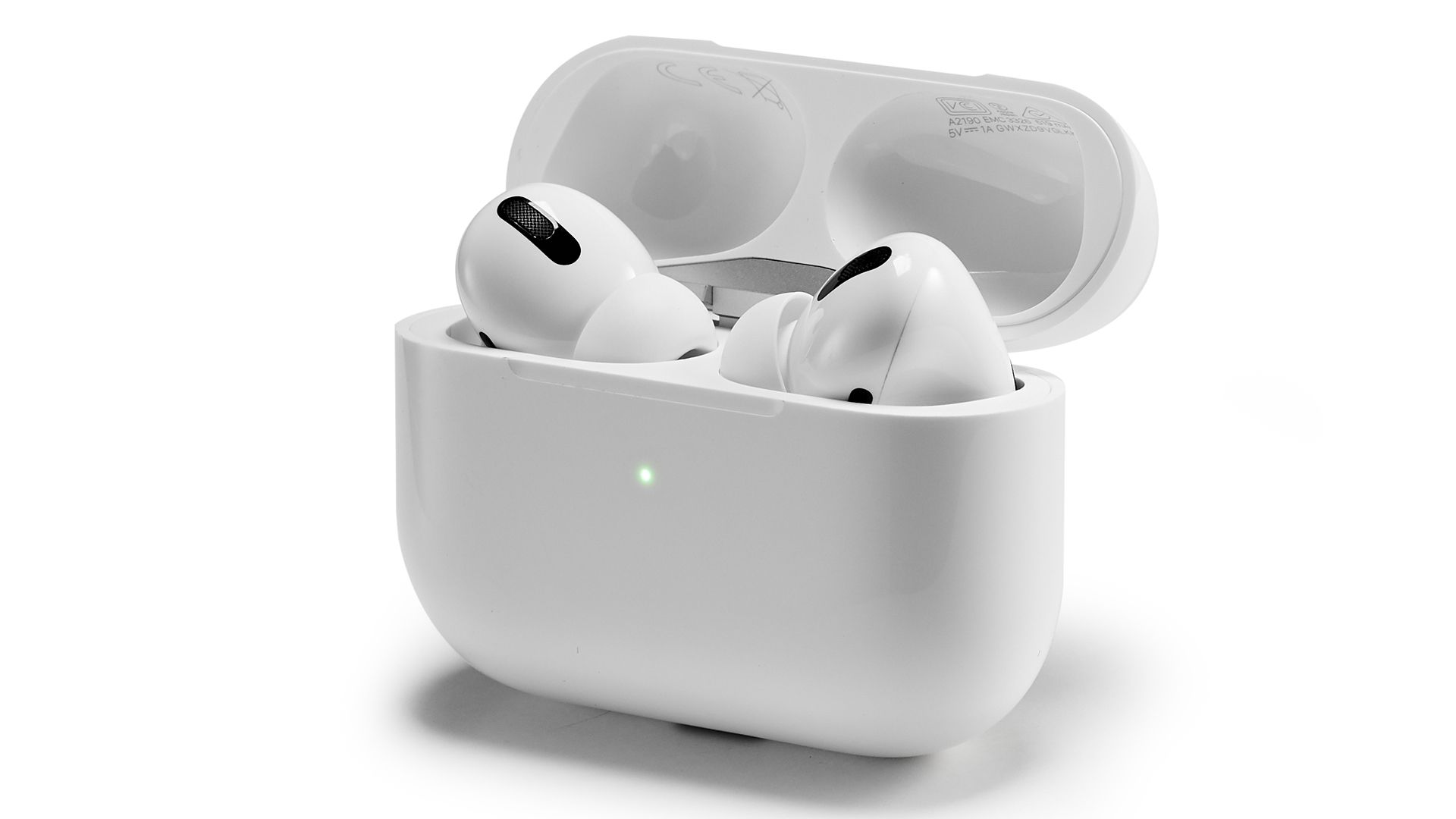
Apple is working on a new feature for its AirPods that will enable the device to live-translate conversations into another language, according to a Bloomberg News report on Thursday. This innovative feature is expected to be rolled out as part of a software upgrade later this year, coinciding with the launch of the iOS 19 update for its mobile operating system.

While Google’s Pixel Buds have offered a similar translation feature for years, this marks a significant move by Apple to integrate language translation capabilities into its popular AirPods lineup. The feature would allow users to have real-time translations of conversations, enhancing communication between speakers of different languages.

Apple did not immediately respond to a request for comment. The company had previously announced that its AirPods Pro 2 could be transformed into a personalized hearing aid through software updates. This live translation feature is part of Apple’s broader efforts to overhaul its software and introduce new features for its devices, including iPhones, iPads, and Macs, later this year.

UK Antitrust Body Raises Concerns Over Apple and Google’s Mobile

Britain’s Competition and Markets Authority (CMA) has raised concerns about the state of competition in the mobile browser market, dominated by Apple and Google. The CMA’s independent inquiry group published a final report supporting its decision to open an investigation into the sector in January, stating that the market was not functioning well for consumers or businesses.

The majority of the report’s concerns were focused on Apple’s Safari browser, particularly its policies surrounding internet access on Apple devices. In response to provisional findings published in November, the CMA launched an investigation under its expanded powers to assess whether Apple and Google hold “strategic market status” (SMS) in mobile ecosystems, a broader focus than just the browser market.

The CMA suggested that if either company were designated with SMS status, it could lead to regulatory interventions, such as improving the ability of competitors to offer new features. Apple responded, stating that it prioritizes user trust and believes the remedies proposed would harm privacy and security. The company expressed concerns about the report and pledged to continue constructive dialogue with the CMA.

Google defended its position, highlighting that the Android ecosystem’s openness has expanded choice and lowered costs, which it claims democratizes access to smartphones and apps. Google also pledged to work collaboratively with the CMA to create a regulatory environment that fosters innovation.

The report revealed that Apple’s Safari and Google’s Chrome browsers dominate the mobile browser market, with Safari accounting for 88% of browser usage on Apple devices and Chrome holding 77% of the market on Android devices in 2024. Margot Daly, chair of the independent inquiry group, emphasized that the lack of competition in the browser space was stifling innovation and welcomed the CMA’s action to explore SMS investigations into the two tech giants.

The CMA expects to complete its SMS investigations later this year.