Yazılar

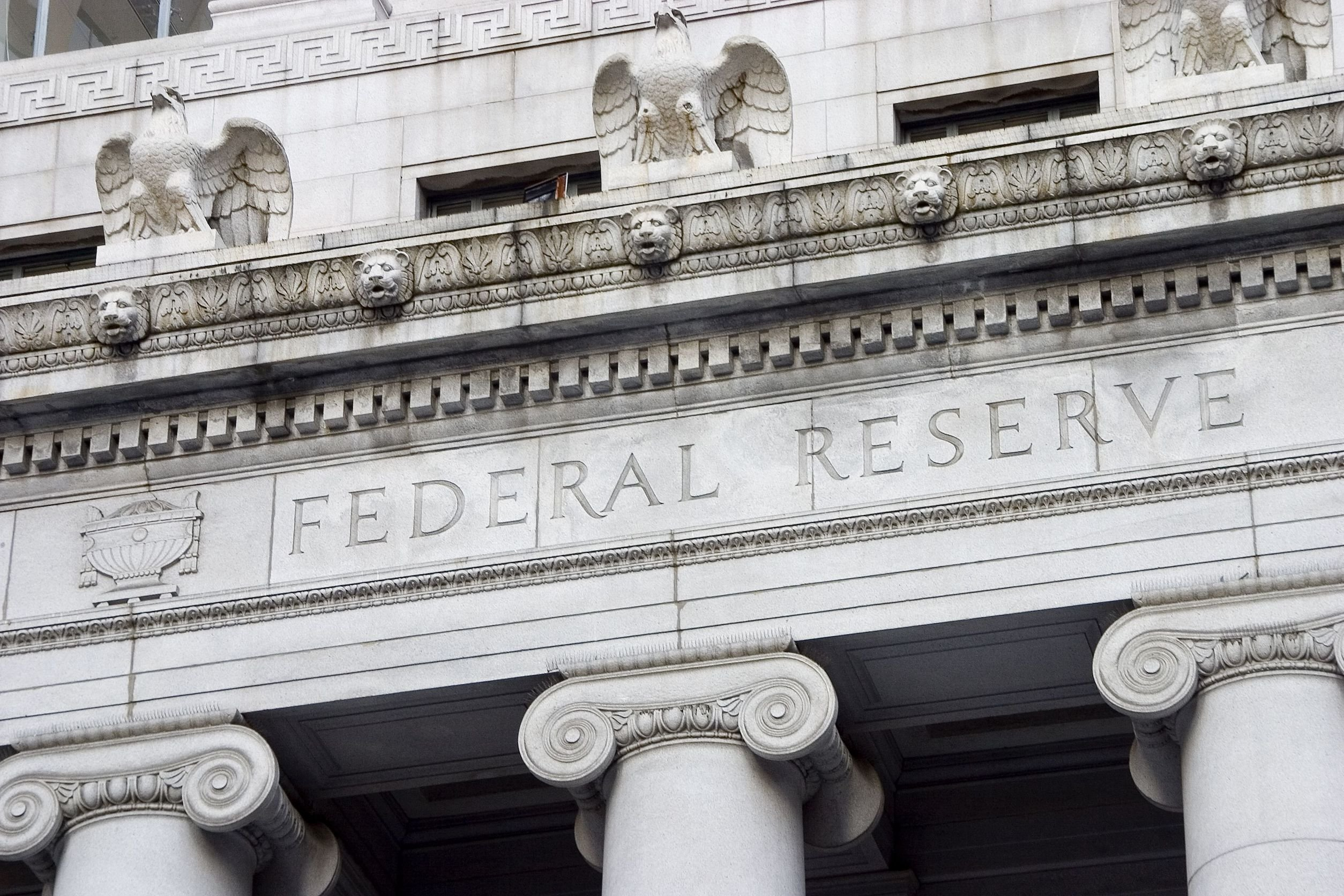
Federal Reserve to Adopt Slow Policy Easing Due to Inflation Concerns, Says Fitch

The U.S. Federal Reserve is expected to begin its rate-cutting cycle with a slower approach than in previous decades, according to a recent report by Fitch Ratings. The rating agency projects that the central bank will begin easing at its September policy meeting, starting with a 25-basis-point cut, followed by another in December. Further gradual cuts are expected through 2025 and 2026, totaling 250 basis points over 25 months, much slower than the historical median of 470 basis points over eight months.

Inflation Still a Concern

Fitch emphasized that inflation remains a concern, particularly core inflation, which excludes food and energy prices. While inflation dropped to its lowest since February 2021, standing at 2.5% year-on-year in August, it remains above the Fed’s 2% target. The report points out that the recent decline in core inflation was primarily due to falling automobile prices, which may not be sustainable.

The Fed’s cautious approach is also driven by the inflation challenges it faced over the past few years, highlighting gaps in understanding the drivers of inflation. With core CPI still elevated at 3.2% on an annual basis, Fitch expects the Fed to proceed slowly with rate cuts to avoid reigniting inflationary pressures.

Global Monetary Policy Divergence

While the Fed is expected to proceed with slow easing, other global central banks are taking different approaches. In China, Fitch foresees continued rate cuts by the People’s Bank of China (PBOC) as deflationary pressures deepen. The PBOC’s recent cuts and declining core inflation, now at 0.3%, signal further easing to combat economic challenges. Fitch predicts China’s inflation to drop to 0.5% in 2024, with additional rate cuts through 2025.

Conversely, Japan’s central bank is adopting a more hawkish stance. The Bank of Japan (BOJ) has aggressively raised rates, reflecting its growing confidence that inflation is firmly entrenched. Core inflation in Japan has been above the BOJ’s target for 23 months, supported by ongoing wage growth. Fitch expects the BOJ’s policy rate to reach 0.5% by the end of 2024, rising to 1% by 2026, a shift that could have broader global economic impacts.


 

UK Economy Stagnates in July, Falling Below Expectations

The U.K. economy stagnated again in July, showing no month-on-month growth, according to flash figures released by the Office for National Statistics (ONS) on Wednesday. This flatlining performance followed a similar outcome in June, as the nation’s GDP came in lower than the 0.2% growth forecasted by economists.

The slight growth in Britain’s dominant services sector, at 0.1%, was overshadowed by declines in other key areas. Production output dropped by 0.8%, and construction saw a fall of 0.4%. These figures mark a challenging period for the U.K., as it faces sluggish economic growth, with GDP rising by just 0.5% in the three months leading up to July, compared to 0.6% in the previous quarter ending in June.

Liz McKeown, director of economic statistics at the ONS, noted, “The economy recorded no growth for the second month running, though longer-term strength in the services sector meant there was growth over the last three months as a whole.”

This period of stagnation comes after modest but steady growth earlier in the year, following the country’s emergence from a shallow recession at the start of 2024. Despite this initial recovery, the economy’s current performance signals persistent challenges.

The July data also marks the first economic figures under the leadership of Prime Minister Keir Starmer’s new Labour government, which was elected on July 4. These numbers come at a critical time, as the Bank of England is set to meet next week to make its latest interest rate decision. Last month, the central bank cut rates for the first time in four years, a move aimed at stimulating economic activity amidst ongoing uncertainty.


European Stocks Open Lower After Consecutive Declines, U.S. Jobs Data in Focus

European stocks opened lower on Thursday following three consecutive declines in September, with the Stoxx 600 index sliding after closing above 525 points last Friday. Market sentiment has been negatively impacted by weaker-than-expected U.S. economic data, particularly from manufacturing surveys and jobs openings, sparking concerns of a potential slowdown in the world’s largest economy. This has reignited debate over whether the Federal Reserve might cut interest rates by 50 basis points, rather than the anticipated 25 basis points, at its next meeting.

Investors are now closely monitoring upcoming U.S. jobs data, with initial jobless claims set for release on Thursday and the highly anticipated nonfarm payrolls and unemployment rate reports on Friday. A weaker-than-expected jobs report in July had contributed to a broad sell-off at the beginning of August, raising fears of an economic slowdown. However, some analysts, including George Lagarias, chief economist at Forvis Mazars, suggest that while a slowdown is evident, the U.S. economy is still far from entering a recession, implying that the Federal Reserve may avoid aggressive rate cuts.

In addition to the jobs data, the technology sector has weighed heavily on European markets this week, with a 3.2% drop in tech stocks on Wednesday. U.S. chipmaker Nvidia saw a sharp decline earlier this week, dragging down global chip stocks, though the company denied reports of a Department of Justice subpoena related to antitrust issues.

Meanwhile, Wall Street index futures were relatively stable early Thursday after a volatile start to the month. In Asia-Pacific markets, losses continued, with Japan’s Nikkei 225 posting the steepest decline amid softer wage growth in August, potentially providing the Bank of Japan with more room to consider a rate hike.