
Yazılar

US Tightens Control Over AI Chip Exports, Targeting Global Flow and China

HEADER: US Tightens Control Over AI Chip Exports, Targeting Global Flow and China

REWRITING TEXT:

The U.S. government announced on Monday new regulations aimed at tightening control over the global flow of artificial intelligence (AI) chips and technology, with a focus on limiting China’s access to these critical resources. The new rules, part of a broader U.S. effort to maintain its global leadership in AI, will cap the number of AI chips that can be exported to most countries while granting unlimited access to U.S. technology for its closest allies. This move, which intensifies the Biden administration’s previous restrictions, also ensures a continued blockade of China, Russia, Iran, and North Korea.

Strategic Implications and Global Impact

Commerce Secretary Gina Raimondo emphasized the importance of the U.S. maintaining its dominant position in AI, stating, “The U.S. leads AI now – both AI development and AI chip design, and it’s critical that we keep it that way.” The new regulations are the culmination of a four-year push to limit China’s access to advanced chips, which have military applications and could bolster the country’s capabilities in AI. These efforts also aim to close loopholes and introduce new safeguards to protect the U.S. AI industry’s competitive advantage.

The regulations set to take effect in 120 days from publication allow for specific country restrictions. Among them, the U.S. will divide the world into three categories: Tier 1 countries (Japan, South Korea, Britain, and the Netherlands), which will face minimal restrictions; countries like Singapore, Israel, and the UAE, which will face country caps; and nations like China, Russia, and Iran, which will be barred entirely from accessing the technology.

Effects on AI Chip Manufacturers

Advanced graphics processing units (GPUs), which are crucial for training AI models and are predominantly produced by U.S. companies like Nvidia and AMD, are among the chips subject to the new rules. Nvidia shares dropped by 5%, while AMD saw a 1% decline in early trading, as investors reacted to the anticipated regulatory changes. Major cloud service providers such as Microsoft, Google, and Amazon can still seek global authorizations to build data centers in countries that are unable to import sufficient chips due to the U.S. quotas. Once approved, these companies would be able to operate without export licenses for AI chips, provided they meet stringent security, reporting, and human rights requirements.

Industry Pushback

The rules have sparked significant criticism from key players in the tech industry. Nvidia, in particular, voiced concerns about the regulations, calling them “sweeping overreach.” The company argues that the restrictions would limit access to technology already available in consumer hardware, potentially hindering global competition and benefitting Chinese competitors. Oracle, a data center provider, echoed similar concerns, stating that the restrictions would primarily benefit China’s competitors in the AI and GPU market. Notably, the new rules do not apply to gaming chips, which remain outside the scope of the restrictions.

National Security and Long-Term Strategy

U.S. officials have justified the new rules by highlighting the potential risks associated with the rapid advancement of AI, which can be used for both beneficial and harmful purposes, including the development of advanced weapons, cyberattacks, and surveillance. National Security Adviser Jake Sullivan emphasized the need for the U.S. to stay ahead in the rapidly evolving AI landscape to safeguard both national security and economic interests.

As the Trump administration prepares to take office, questions remain about how the new regulations will be enforced. However, given the shared concern about China’s growing technological capabilities, many expect continuity in the U.S. approach to AI exports.
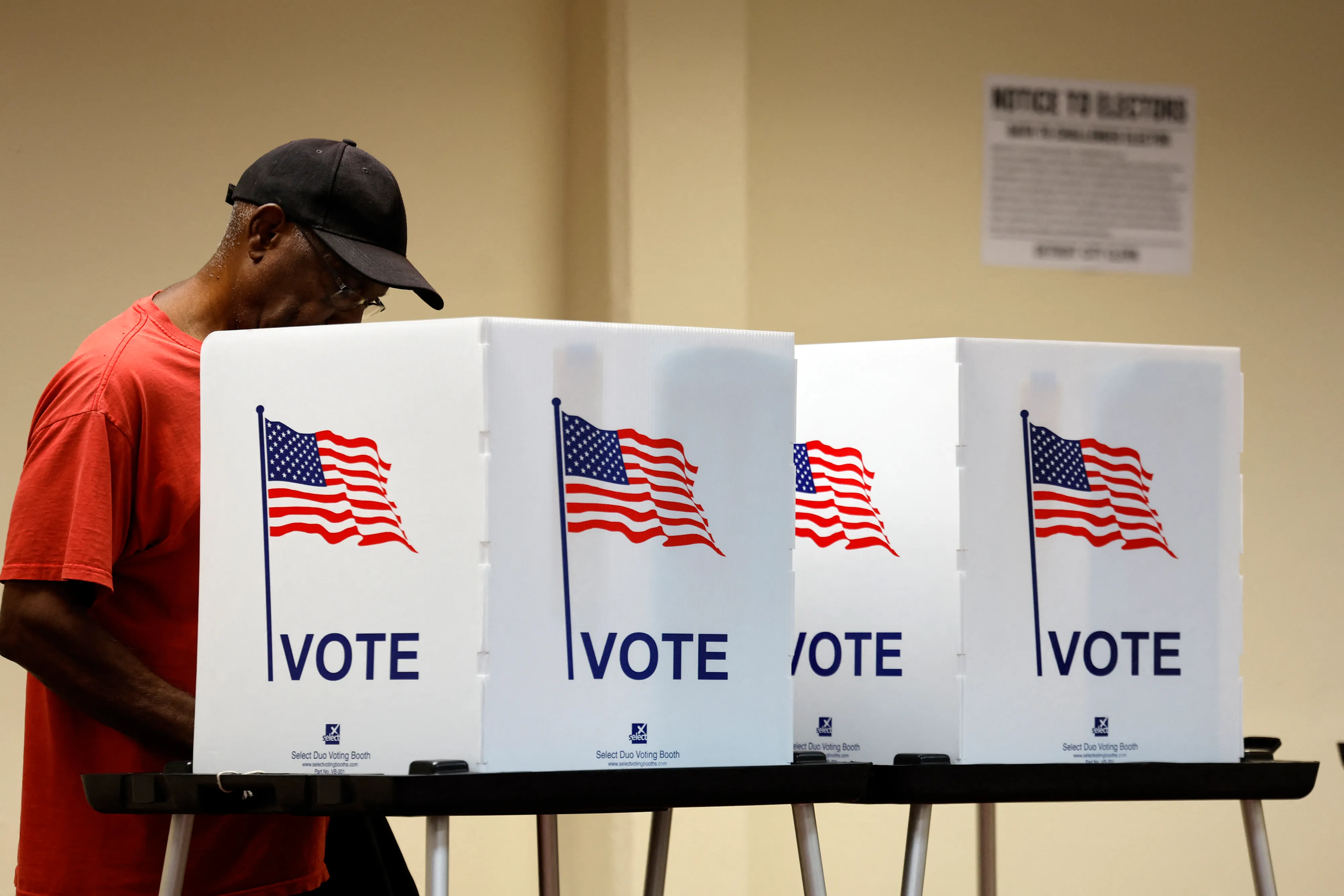
Key Countries Watching U.S. Presidential Election Outcomes

As the U.S. presidential election approaches, several countries are keenly observing the vote, recognizing the potential implications for global stability, economic health, and security. The outcomes could significantly influence geopolitical dynamics, especially for nations like Ukraine, China, Russia, Israel, and Iran.

China
China, the U.S.’s primary economic competitor, is closely monitoring the election results. Former President Donald Trump has indicated a desire to revive the trade war initiated during his previous administration, suggesting substantial tariff increases on Chinese imports. He has proposed raising tariffs by 60-100%, which could significantly impact American households by raising consumer costs. Although Vice President Kamala Harris’s campaign has criticized such sweeping tariffs, a Democratic administration may still maintain existing tariffs imposed during President Biden’s tenure. As China faces economic challenges, including sluggish consumer confidence and a housing slump, the election’s outcome may dictate the size of its forthcoming stimulus measures.

Ukraine
For Ukraine, the stakes are exceptionally high. The country remains reliant on U.S. military aid amid its ongoing conflict with Russia. Analysts suggest that a Trump presidency could lead to reduced support for Ukraine, potentially jeopardizing its territorial integrity. Trump has claimed he could resolve the conflict quickly but would likely press Ukraine into negotiations that could cost it significant territory currently under Russian control. Conversely, while Harris has promised continued support for Ukraine, her ability to secure additional funding may depend on Congress’s composition. The outcome of the election may force Ukraine to reconsider its reliance on U.S. support.

Israel and Iran
The Middle East also watches closely as both candidates pledge strong support for Israel. Trump has cultivated a reputation as a protector of Israel, highlighting past decisions that favor Israeli interests, such as recognizing Jerusalem as its capital. Polling indicates that many Israelis favor Trump for their national interests over Harris. In contrast, Harris has faced scrutiny for her criticism of Israeli military actions but has reaffirmed her commitment to Israel’s right to defense.

As for Iran, experts predict that a Trump administration could escalate tensions, possibly allowing for more aggressive actions against Iran’s nuclear facilities. Harris, on the other hand, is likely to maintain a diplomatic approach, continuing Biden’s policy of de-escalation in the region.

In summary, the U.S. election carries profound implications not only for American politics but also for global affairs, with countries like China, Ukraine, Israel, and Iran poised to react to the new administration’s policies.

Xi Jinping’s Message to African Leaders: Choose China

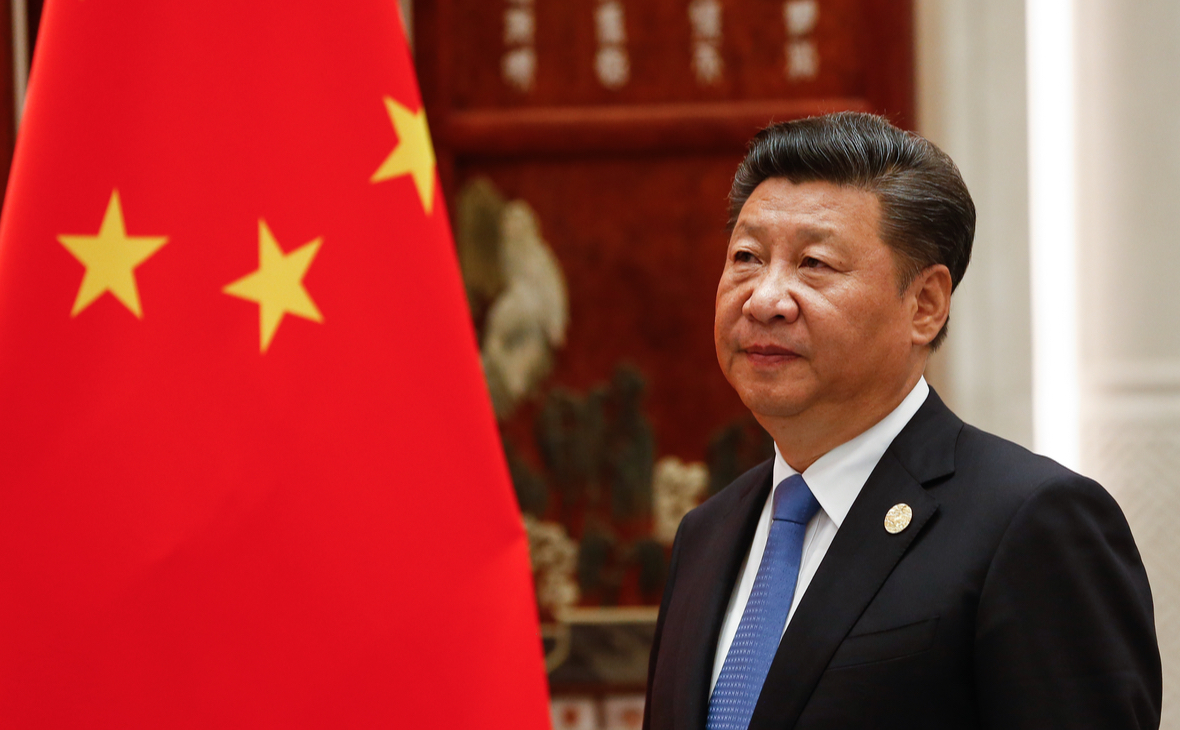
During a recent summit in Beijing, Xi Jinping made a clear pitch to over 50 visiting African leaders: choose China as their foremost international partner. The gathering, held in the Great Hall of the People, underscored China’s commitment to deepening ties with Africa and solidifying its role as the continent’s premier foreign ally.

Key Announcements and Promises

  • Financial and Development Support: Xi pledged more than $50 billion in financial support for Africa over the next three years. This includes commitments to create one million jobs, provide tens of millions in food and military aid, and bolster cooperation in various sectors such as industry, agriculture, infrastructure, trade, and investment.
  • Infrastructure Projects: China announced plans to support 30 infrastructure connectivity projects and launch 30 clean energy projects across the continent. These initiatives aim to enhance land-sea links and position Africa as a key market for China’s green technology.
  • Bilateral Agreements: Specific deals included revitalizing the Tanzania-Zambia Railway Authority and developing Nigeria’s transportation, ports, and free trade zones.

Shifts in Chinese Funding Despite the substantial pledges, the total amount of financial support is noted to be less robust compared to previous years. Analysts suggest that the funding for large-scale infrastructure projects may be reduced, reflecting China’s economic slowdown and a strategic shift towards smaller, more sustainable investments.

Debt Concerns The summit also highlighted the ongoing debt crisis in several African countries, exacerbated by substantial Chinese loans. While China’s lending practices have been defended by both Beijing and African leaders, concerns remain about the increased debt burden and the pace of debt relief efforts.

Geopolitical Context Xi’s outreach to Africa is part of a broader strategy to position China as a champion of the Global South and an alternative global leader to the US. By emphasizing historical grievances against Western exploitation, Xi aims to align Africa more closely with China in the global geopolitical landscape.

Competing Interests Despite China’s strong pitch, African leaders are expected to continue balancing their relationships with multiple international partners, including the US. The US and its G7 allies are also actively working to strengthen ties with Africa, presenting alternative partnership opportunities.

Conclusion Xi Jinping’s summit underscores China’s determination to maintain and expand its influence in Africa. While the financial promises and strategic commitments are significant, African leaders are likely to navigate their international partnerships carefully, maintaining a diverse set of relationships to maximize opportunities and mitigate risks.