Yazılar

Hong Kong Journalists Convicted of Sedition, Sparking Concerns Over Press Freedom Amid Beijing’s Crackdown

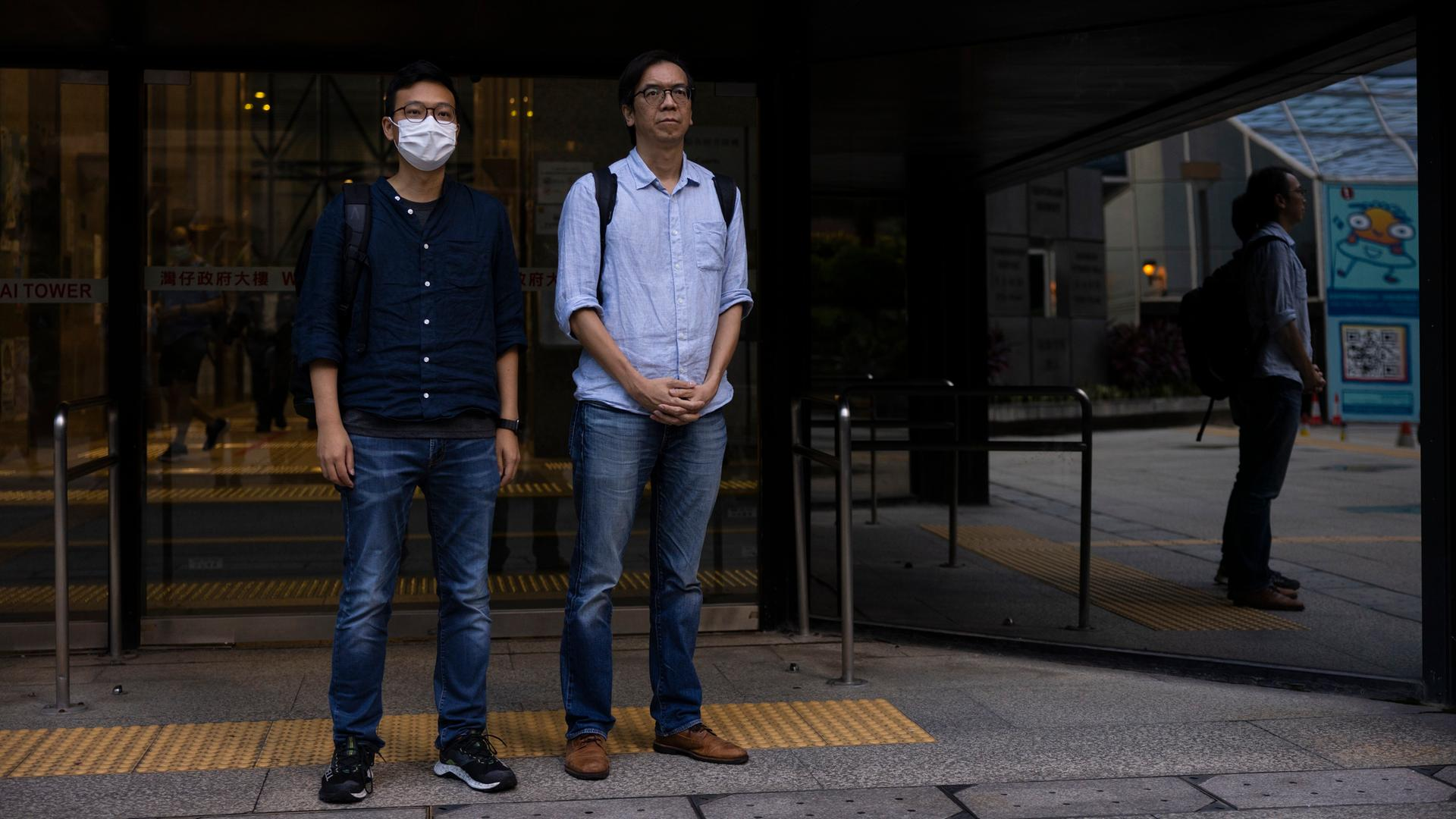
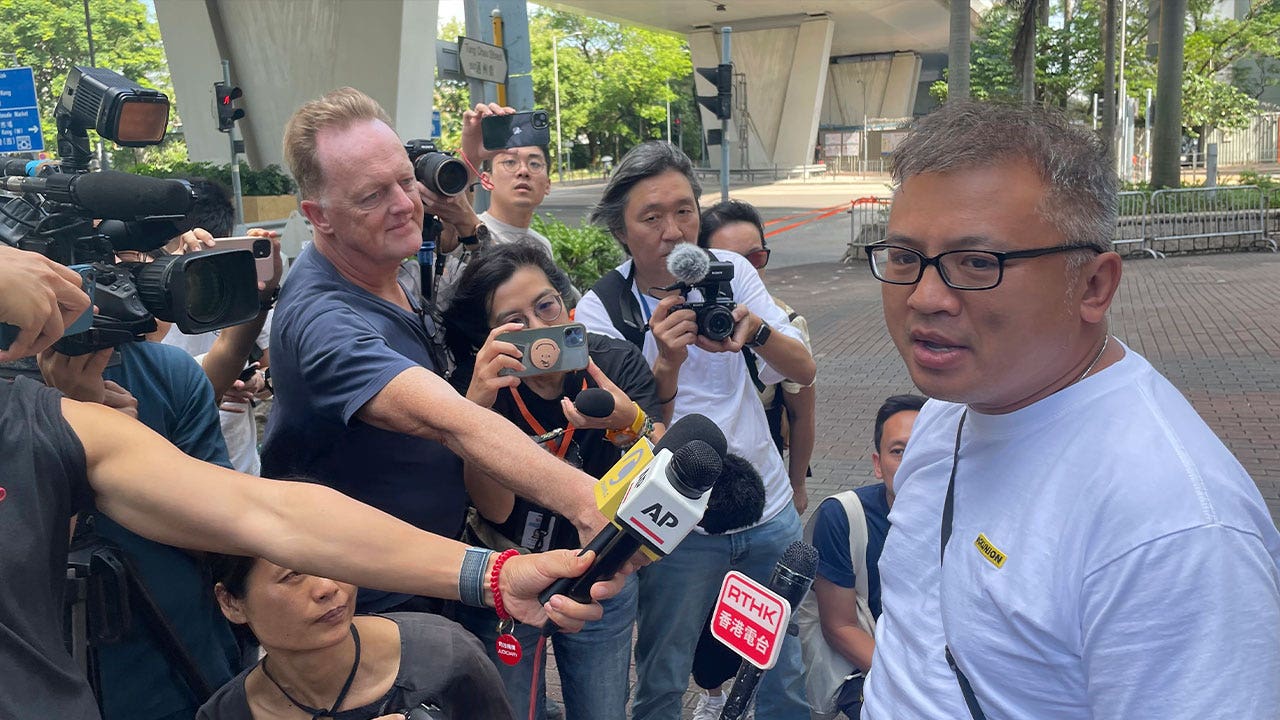
Two former editors of the now-defunct pro-democracy publication Stand News in Hong Kong were found guilty of sedition by a local court, a verdict that has deepened global concerns over press freedom in the semi-autonomous city. Chung Pui-kuen, former editor-in-chief, and Patrick Lam Shiu-tung, former acting editor, were convicted under a colonial-era law that has resurfaced as a powerful tool to suppress dissent, following the 2019 anti-government protests. Critics argue the ruling is a stark reminder of the erosion of press liberties under Beijing’s expanding influence over Hong Kong.

The sedition charges against Chung and Lam arose from the publication of 17 articles between July 2020 and December 2021, which prosecutors claimed incited hatred against both the Hong Kong government and China’s central authorities. The articles included interviews with former opposition lawmakers and pro-democracy activists, many of whom are currently imprisoned or in self-imposed exile. Despite the defense’s argument that the publication maintained balanced journalism by featuring a variety of voices, the court ruled that 11 of the 17 articles were seditious.

Judge Kwok Wai-kin asserted that the articles in question were published during a highly charged political environment and had the intent to incite public hatred and illegal actions against the government. The court emphasized that both Chung and Lam bore responsibility for providing Stand News as a platform to stir unrest. The sentencing for the two journalists will be announced at a later date, with a maximum penalty of two years in prison.

The case marks the first time journalists have been prosecuted for sedition in Hong Kong since its return to Chinese rule in 1997, underscoring the city’s stark transformation from a once-thriving hub of press freedom to a place where critical voices are systematically silenced. Hong Kong’s media landscape has shrunk dramatically since the introduction of the national security law in 2020, with several independent outlets, including Apple Daily and Stand News, being forced to shut down.
Picture background

While authorities in both Hong Kong and Beijing argue that the national security law has restored order following the unrest of 2019, critics see the legislation as a sweeping measure to quash any form of political dissent. The law’s broad reach has left many journalists and activists either jailed or fleeing the city. The recent conviction also coincides with the ongoing trial of media tycoon Jimmy Lai, who faces charges of colluding with foreign forces and sedition, potentially facing life imprisonment if found guilty.

Further compounding fears of censorship, Hong Kong’s government recently passed a second national security law known as Article 23, which increased penalties for sedition-related offences, extending potential prison sentences to 10 years. Media workers have expressed growing concern over these developments, as highlighted in a recent report by the Hong Kong Journalists Association (HKJA). The HKJA’s latest annual survey revealed that press freedom in the city has reached its lowest point since the organization began tracking it in 2013, with journalists increasingly worried about potential repercussions for their work.

Hong Kong leader John Lee, a former police chief, has dismissed concerns about the decline in press freedom, insisting that the city remains a vibrant media hub. However, international watchdogs like Reporters Without Borders (RSF) have offered a grimmer assessment, ranking Hong Kong 135th out of 180 countries in its 2023 World Press Freedom Index—an alarming drop from 18th place in 2002. The steep decline reflects the growing pressure on journalists in the city as Beijing tightens its grip, bringing Hong Kong’s once vaunted media freedoms closer in line with mainland China’s highly controlled press environment, which ranks near the bottom of RSF’s index at 179th.

As the court proceedings continue, the convictions of Chung and Lam serve as a chilling message to those who dare to question or criticize authorities in Hong Kong. The international community will be closely watching how this case, along with others like that of Jimmy Lai, unfolds, as it reflects the ongoing struggle for freedom of expression in the face of authoritarian rule.
New Tensions Emerge in the South China Sea

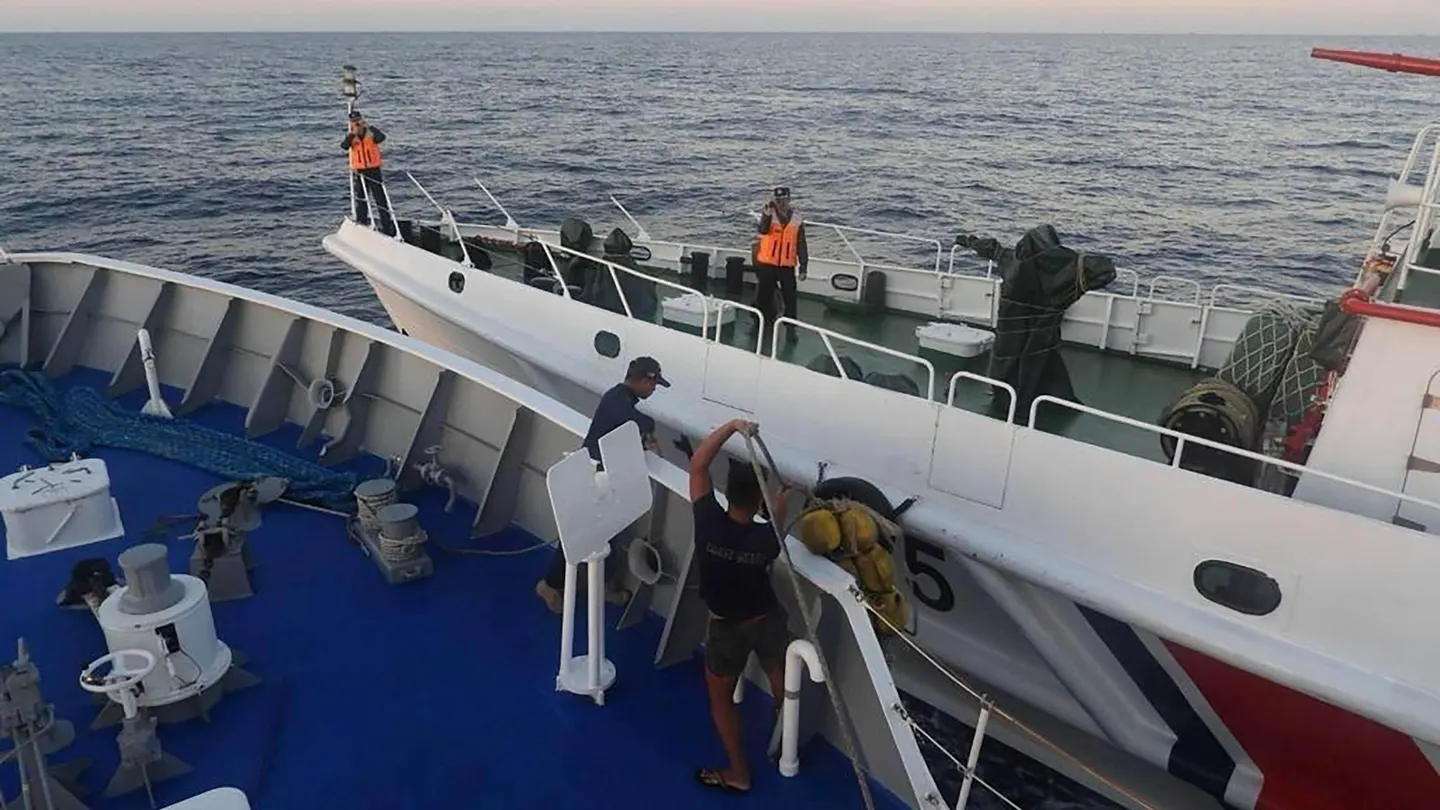
Recent clashes between Chinese and Philippine vessels near Sabina Shoal have escalated tensions in the South China Sea, undermining recent efforts to ease disputes in this strategically crucial region. Sabina Shoal, an uninhabited atoll located 86 miles from the Philippines’ west coast, has become the latest flashpoint in the ongoing maritime conflict between the two nations.

In the past week, multiple confrontations have occurred, including violent collisions and face-offs. The Philippines has accused China of deliberately ramming its ships and using water cannons against Philippine vessels. Conversely, China has blamed the Philippines for these incidents, alleging that its ships refused to comply with Chinese control and engaged in deliberate collisions.

The renewed aggression follows a temporary de-escalation agreement reached earlier this summer after violent confrontations at the Second Thomas Shoal, where Chinese coast guard personnel had aggressively blocked resupply missions to Filipino troops stationed on a grounded World War II-era ship. Despite the truce, tensions have reignited with recent incidents, including collisions involving Philippine coast guard vessels and an extensive deployment of Chinese ships to block Philippine operations.

Analysts view Sabina Shoal as a potential new conflict zone, following previous flashpoints like Second Thomas Shoal and Scarborough Shoal. The Philippine government, led by President Ferdinand Marcos Jr., is under pressure to stand firm against Chinese encroachment, while Beijing continues to assert its claims over nearly the entire South China Sea, despite an international tribunal ruling against these claims.

The situation at Sabina Shoal involves high-stakes maneuvering. The Philippines has deployed its largest coast guard vessel, the BRP Teresa Magbanua, to monitor Chinese activities and counter alleged land reclamation efforts by China. Meanwhile, China has intensified its presence in the area, including deploying one of its largest coast guard ships to assert control.

As both nations navigate these escalating tensions, the role of the United States is crucial. The U.S. has reiterated its commitment to defend the Philippines under a mutual defense treaty and is considering options such as escorting Philippine resupply missions. However, with ongoing global conflicts and domestic political considerations, the U.S. response remains cautious.

The situation at Sabina Shoal highlights the precarious balance in the South China Sea, where any miscalculation could lead to a larger conflict with significant regional and global implications.


India’s Diplomatic Balancing Act: Strengthening Ties with Ukraine While Maintaining Russian Relations

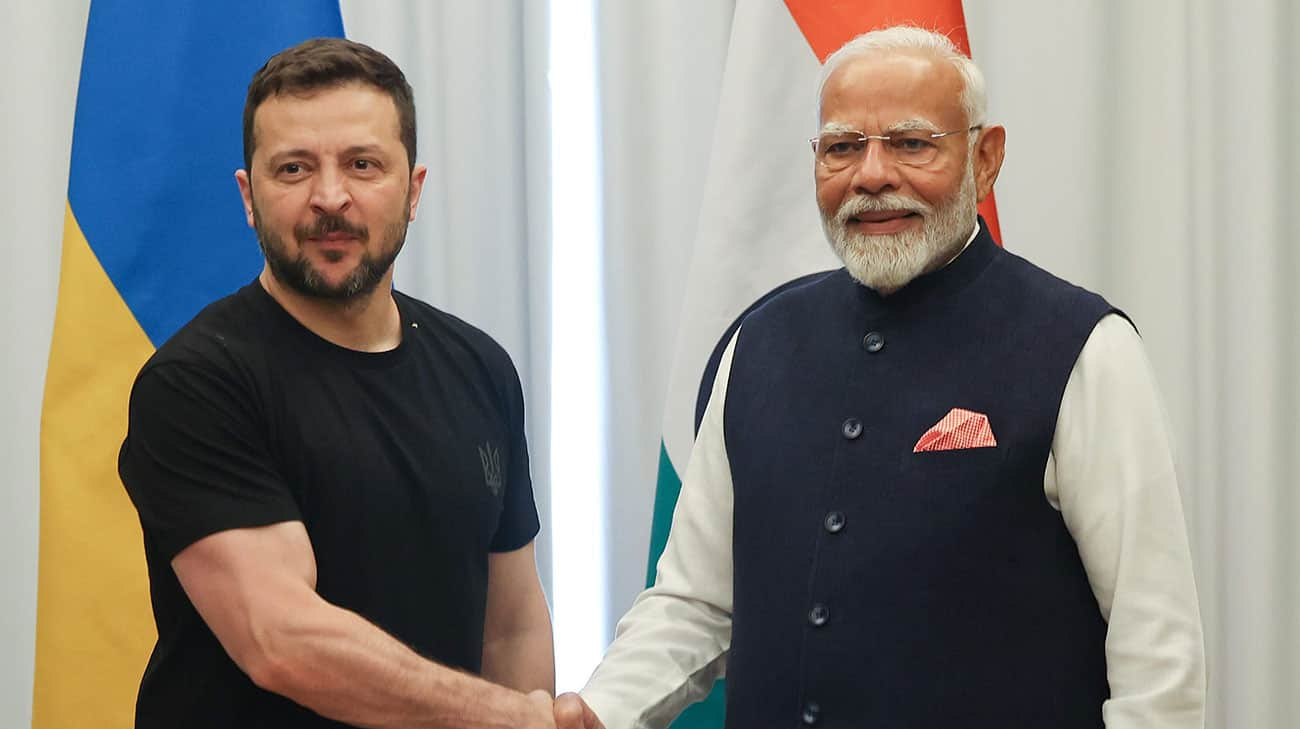
India’s diplomatic balancing act has come under the spotlight as Prime Minister Narendra Modi embarks on a visit to Ukraine, a move that will be closely watched by Russia, India’s long-time ally. As one of the few nations maintaining strong relationships with both Russia and the West, India has found itself navigating a complex web of alliances, particularly since Russia’s invasion of Ukraine in 2022, which has dramatically reshaped global geopolitical dynamics.

Modi’s government has maintained a neutral stance in the ongoing conflict, avoiding condemnation of Russia and continuing to import discounted Russian oil despite widespread Western boycotts. This strategy has drawn criticism from Western nations, which see such trade as indirectly funding Russia’s war efforts. However, India has also signaled an interest in strengthening its relationship with Ukraine, evidenced by Modi’s visit to Kyiv at the invitation of Ukrainian President Volodymyr Zelenskyy. This visit, the first by an Indian leader since Ukraine gained independence in 1991, marks a significant moment in India-Ukraine relations.

While India’s trade relationship with Ukraine is far smaller compared to its extensive economic and defense ties with Russia, the visit suggests that India is seeking to broaden its diplomatic engagements amid the ongoing conflict. India has historically imported defense equipment from Ukraine, and the two countries share educational ties, with many Indian students studying in Ukraine.

Picture background

The timing of the visit, following Modi’s recent meeting with Russian President Vladimir Putin, adds another layer of complexity to India’s foreign policy. During that meeting, which coincided with a deadly attack on a children’s hospital in Kyiv, Modi expressed sorrow over the loss of innocent lives, yet emphasized India’s commitment to its “mutual trust” and “mutual respect” with Russia. Despite the controversial optics of the visit, both leaders pledged to deepen bilateral cooperation across various sectors, from agriculture to energy.

India’s reluctance to directly criticize Russia stems from pragmatic considerations. As a major importer of Russian defense supplies, with over 60% of its defense equipment sourced from Russia, India is keen to maintain stable relations with Moscow. Furthermore, India views Russia as a counterbalance to China, its regional rival in Asia. For these reasons, New Delhi has refrained from aligning itself with the West in labeling Russia as an aggressor, choosing instead to chart a more independent course.

India is also seen as a potential mediator in future peace talks between Russia and Ukraine, although Indian officials have expressed hesitance about playing such a role while the conflict remains active. Nevertheless, experts suggest that India is interested in facilitating a stable European security architecture and ensuring that Russia remains engaged in the global order rather than becoming overly dependent on China.

Ultimately, Modi’s visit to Ukraine highlights India’s desire to see an end to the conflict and underscores its broader strategy of maintaining diplomatic flexibility while preserving its key alliances. India’s approach reflects its global ambitions and its efforts to maintain influence in a rapidly changing geopolitical landscape.