Yazılar

Lonestar Data Holdings Plans to Place First Data Center on the Moon

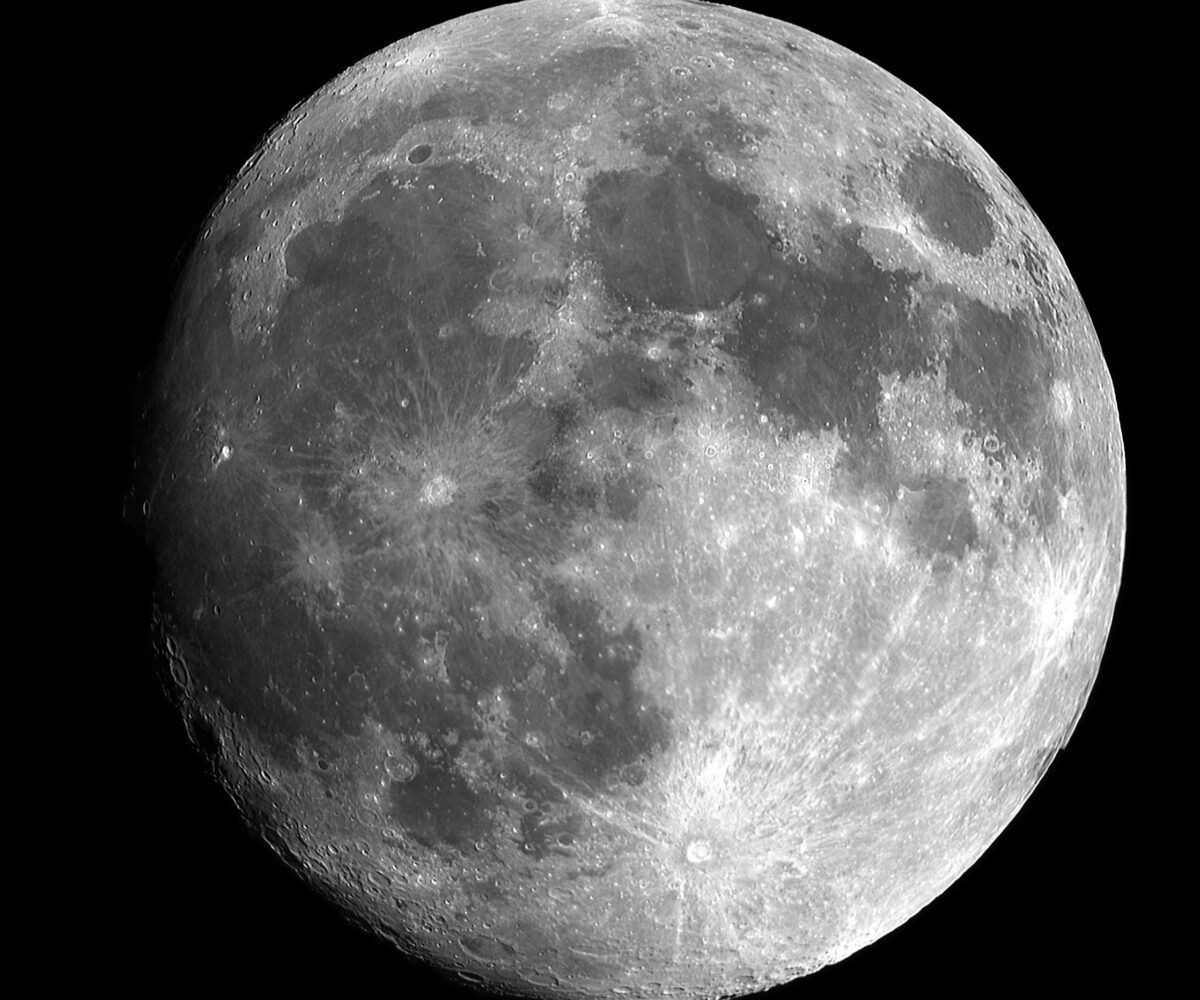
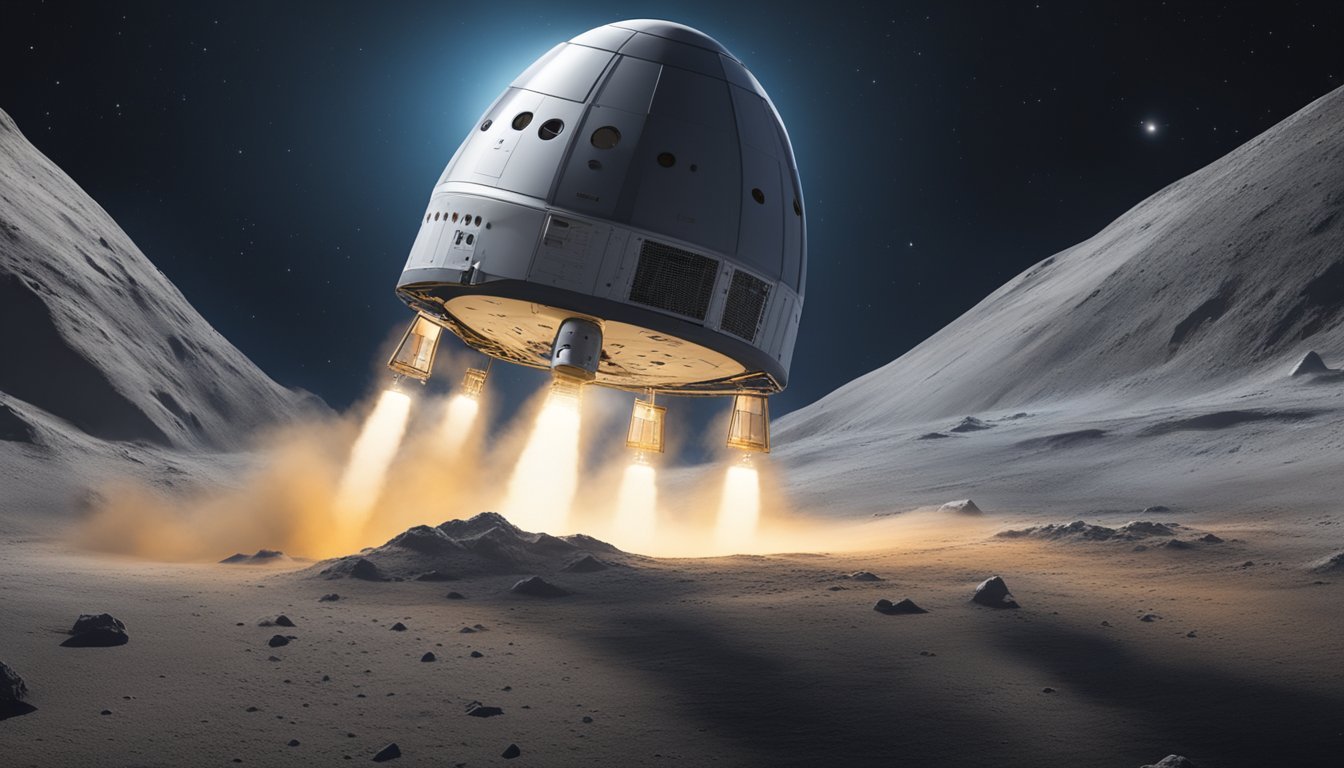
Lonestar Data Holdings, a space startup, is preparing to launch the first-ever data center on the moon, aiming to harness lunar resources for space-based computational needs. The company has announced that its fully assembled data center, named Freedom, will be launched by SpaceX’s Falcon 9 rocket, integrated with Intuitive Machines’ moon lander, Athena, in late February.

Key Points:

  • Moonshot Mission: Lonestar’s ambitious plan is to place a data center on the lunar surface, leveraging the moon’s distance from Earth for enhanced communication security. This initiative is focused on disaster recovery and data storage, rather than latency-dependent tasks like real-time computing.
  • Sustainable Energy Model: The data center will be powered by solar energy and feature naturally cooled solid-state drives. The company aims to take advantage of the moon’s abundant solar energy and a cost-effective cooling system, making the operation both efficient and sustainable.
  • Strategic Partnerships: Lonestar has already signed up a diverse set of customers, including the State of Florida, Isle of Man government, AI firm Valkyrie, and even pop rock band Imagine Dragons. These partnerships underline the growing interest in space-based data storage solutions.
  • Ground Support: To ensure operational reliability, Lonestar’s moon-based data center will be backed up by Flexential’s data center facility in Tampa, Florida. This hybrid approach aims to balance the challenges of space operations with the security of terrestrial backups.
  • Challenges and Risks: Despite the potential, hosting data centers in space comes with challenges such as high launch costs, limited maintenance options, and the risk of rocket launch failures. Once a satellite or data center is deployed, it becomes a high-risk venture with no room for recovery in case of malfunction.
  • Industry Growth: The idea of space-based data centers is gaining momentum as the demand for computational power, especially for AI, increases. Lonestar has raised nearly $10 million, joining other space startups like Lumen Orbit, which recently secured $11 million for similar ventures.
Space Exploration Milestones of 2024: Lunar Ventures, Mars Breakthroughs, and Beyond

The year 2024 saw incredible progress in space exploration, with significant missions targeting the moon, Mars, Mercury, and beyond. A variety of government agencies, private companies, and research teams achieved remarkable milestones, deepening humanity’s understanding of the solar system and advancing the frontiers of space exploration.

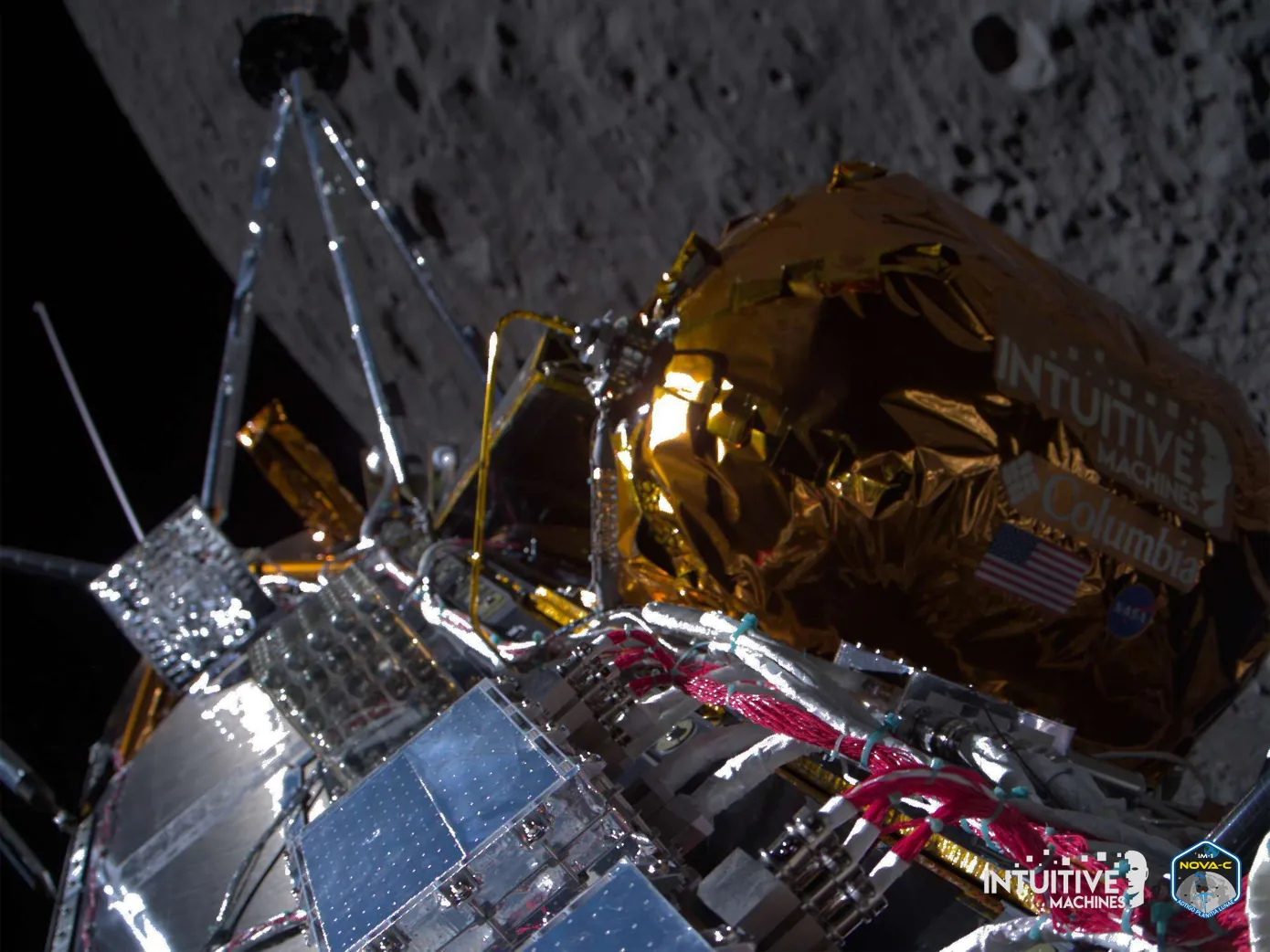
Among the most notable developments were several lunar missions that expanded our knowledge of Earth’s closest neighbor. Japan’s SLIM (Smart Lander for Investigating the Moon), which landed on the rim of a lunar crater in January, surpassed expectations by operating for three months rather than the planned two weeks. This extended mission provided invaluable data about the moon’s surface and topography. In February, the Odysseus spacecraft from Intuitive Machines, based in Houston, also made a noteworthy lunar achievement. Despite landing off-balance near the lunar south pole, the spacecraft completed its six-day mission successfully, providing important insights into the region.

China’s Chang’e 6 mission, launched by the China National Space Administration (CNSA), made headlines in June when it returned with soil samples from the moon’s far side. This was the first successful collection of samples from this previously unexplored region. Initial analysis of the samples suggested that the far side of the moon may have experienced volcanic activity as recently as 2.8 billion years ago, offering exciting new clues about the moon’s geological history.

Beyond lunar exploration, there were also significant strides made in the study of Mars and other celestial bodies. The year 2024 highlighted the increasing pace of discoveries, including new findings on Mars that could reshape our understanding of the planet’s potential to support life. As technology continues to advance, space agencies and private enterprises are rapidly pushing the boundaries of exploration, promising even more exciting developments in the years to come.

Quick thinking and a stroke of luck prevent a moon lander disaster for Intuitive Machines


Intuitive Machines’ spacecraft made an unconventional touchdown on the lunar surface yesterday, landing sideways. CEO Steve Altemus confirmed during a press conference on Friday that while it wasn’t a flawless landing, it’s nothing short of a miracle that the spacecraft landed intact at all. Devamını Oku