
Yazılar

Cerebras IPO Delayed as US National Security Review Continues

Cerebras Systems, a California-based AI chipmaker, has experienced further delays in its highly anticipated IPO due to an ongoing national security review by the Committee on Foreign Investment in the United States (CFIUS), sources familiar with the matter confirmed. The delay comes as the company waits for the White House to fill key positions and for CFIUS to conclude its review of a $335 million investment from Abu Dhabi-based cloud computing and AI company G42.

The delay marks a significant hurdle for Cerebras, which has been seeking to go public despite the uncertainty surrounding the approval of G42’s investment. G42’s past ties to China, particularly its connection to Huawei, have drawn scrutiny in Washington. However, the deal had appeared poised for approval late last year before the change in U.S. leadership.

CFIUS, which reviews foreign investments for national security risks, remains cautious about deals involving foreign companies with Chinese links. With the Biden administration’s expansion of CFIUS enforcement, corporate executives have found the regulatory environment less conducive to dealmaking than initially expected.

Despite the ongoing review, Cerebras executives remain optimistic that the investment will eventually be approved, and they intend to proceed with the IPO once the regulatory process is completed. The company’s valuation has nearly doubled since G42’s investment commitment last year, and the IPO remains a crucial step for Cerebras in securing funding for its future growth.
Xiaomi Raises $5.5 Billion in Share Sale to Accelerate EV Plans

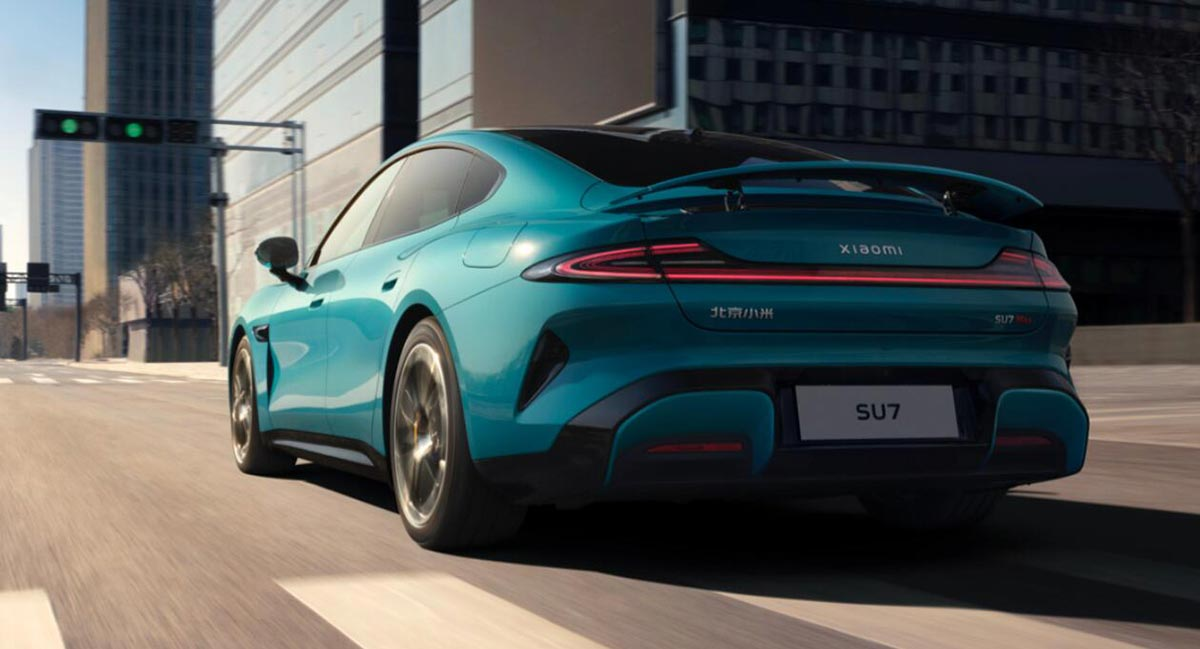
Xiaomi Corp, the world’s third-largest smartphone maker, announced on Tuesday that it raised $5.5 billion in an upsized share sale as the company ramps up its electric vehicle (EV) manufacturing plans. The company sold 800 million shares at a price of HK$53.25 each, according to a statement to the Hong Kong Stock Exchange.

Originally planning to sell 750 million shares, Xiaomi decided to increase the size of the offering due to strong investor interest during the bookbuilding process. The final share price, which was at the lower end of the HK$52.80 to HK$54.60 price range, represented a 6.6% discount to Xiaomi’s closing price of HK$57 on Monday.

Investor enthusiasm for Xiaomi’s EV plans has played a significant role in the company’s stock performance, with its share price surging nearly 150% from HK$21.5 in the past six months. The sale attracted over 200 investors, with the book being oversubscribed multiple times. The top 20 investors purchased about 66% of the stock offered.

The funds raised will be used to further accelerate Xiaomi’s business expansion and invest in research and technology development, particularly in the EV sector. Xiaomi entered the electric vehicle market last year with the launch of the SU7 sedan. The company reported a 50% jump in fourth-quarter revenue and raised its target for EV deliveries this year to 350,000, up from 300,000.

Xiaomi’s EV business generated 32.1 billion yuan ($4.4 billion) in revenue in 2024, delivering more than 135,000 SU7 sedans. The company plans to start shipping cars overseas in 2027 and is expanding its production capabilities with a new land purchase for its auto factory in Beijing.

In addition to its EV ambitions, Xiaomi is also focusing on AI, planning to allocate 7-8 billion yuan out of its 2025 total R&D budget of 30 billion yuan to AI development. The share sale comes amid a wave of tech-focused capital raisings from Chinese companies, as positive sentiment around the tech sector grows, partly fueled by easing government scrutiny.

European Lawmakers Urge Quick Action on Chips Act 2.0 to Boost AI and Semiconductor Investment

European lawmakers have called on the European Commission to expedite the development of a new support program for the region’s semiconductor industry, particularly focusing on investment in AI chips and addressing technological gaps. A letter, authored by representatives from three major factions in the European Parliament and signed by 54 lawmakers, emphasized the urgency of bolstering Europe’s semiconductor sector.

The letter highlighted recent geopolitical developments that have underscored the need for Europe to secure continued access to advanced technologies. Lawmakers expressed concern that the progress under the original 2023 Chips Act has been too slow, urging the European Commission to act more swiftly.

The lawmakers’ plea follows a similar call from leading European chip industry firms, which have also voiced concerns over the pace of progress. While the European Commission has signaled plans to launch five new investment packages this year to support European industries, including AI, the letter criticized the absence of semiconductor-focused measures in these packages. Semiconductors, the lawmakers stressed, are central to the EU’s industrial ambitions, and the current lack of targeted support for the sector could hinder Europe’s technological and economic future.

The initial EU Chips Act prompted a wave of investment but fell short of attracting advanced chipmakers, with Intel notably halting plans for a large new factory in Germany. The lawmakers urged the Commission to address these gaps and act quickly, especially given the current geopolitical realities surrounding competition between the United States and China.

The letter also emphasized the need for Europe to protect its key players from the implications of extraterritorial laws and the escalating global competition in the semiconductor industry.