Yazılar

UAE Pledges $1.4 Trillion Investment in U.S. Economy, White House Announces

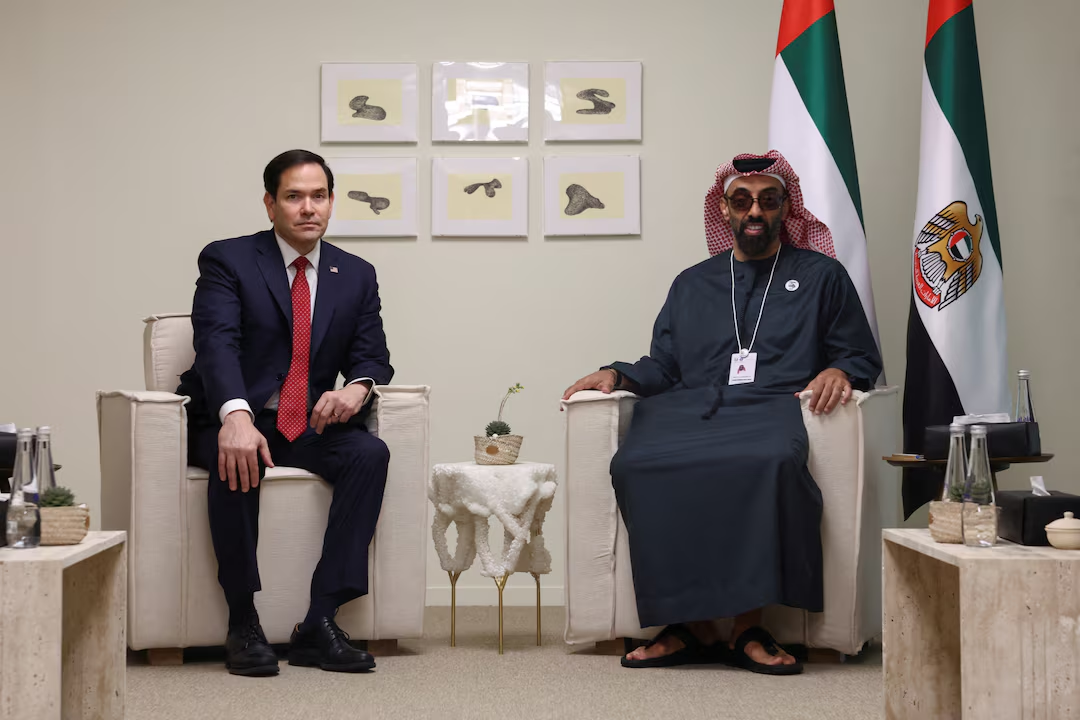
The United Arab Emirates (UAE) has committed to a major 10-year, $1.4 trillion investment framework in the United States, signaling a deepening economic relationship between the two countries. This commitment, announced by the White House on Friday, comes after high-level meetings between UAE officials and President Donald Trump, highlighting the UAE’s expanding role in key sectors such as artificial intelligence (AI), semiconductors, energy, and manufacturing.

While the White House did not detail how the full $1.4 trillion would be invested, some deals under the framework have already been publicly disclosed. Notably, the UAE’s Emirates Global Aluminium announced plans to build the first new aluminum smelter in the U.S. in 35 years. This smelter would significantly boost U.S. aluminum production, nearly doubling its domestic capacity.

The UAE, a major oil producer and longstanding U.S. security partner, is increasingly focusing on diversifying its economy away from fossil fuels, with AI emerging as a critical area of investment. In addition to energy and manufacturing, the UAE is also positioning itself as a leader in the AI sector, aiming to capitalize on its technological growth to secure a more diversified economic future.

This agreement is part of a broader trend of increased Gulf investment in the U.S., exemplified by sovereign wealth funds like Abu Dhabi’s Mubadala, which already holds significant U.S. assets. The UAE’s push for more investments follows a pattern of heightened collaboration between the two nations, with previous discussions between UAE President Sheikh Mohamed bin Zayed Al Nahyan and former President Joe Biden emphasizing AI, space exploration, and investments.

In addition to the aluminum smelter project, one of the key partnerships under the new framework is between the UAE sovereign wealth fund ADQ and U.S. private equity firm Energy Capital Partners, which will focus on a $25 billion initiative to enhance energy infrastructure and data centers across the U.S.

Microsoft to Launch Three Data Centers in Malaysia by Q2 2025

Microsoft is set to launch its first cloud region in Malaysia by mid-2025, featuring three data centers in the greater Kuala Lumpur area, the company announced on Thursday. This initiative follows a $2.2 billion investment revealed last year, aimed at enhancing Malaysia’s cloud and artificial intelligence (AI) capabilities.

The new Malaysia West cloud region is expected to be operational by the second quarter of 2025, according to Laurence Si, Managing Director of Microsoft Malaysia. However, Microsoft has not disclosed the capacity of these data centers.

Regarding potential challenges due to U.S. export restrictions on semiconductor chips, Si stated that Microsoft was monitoring the situation but had not encountered any issues so far. “Everything is status quo for us,” he noted, emphasizing that Microsoft’s investment plans remain on track with support from various stakeholders.

Microsoft estimates that its commitments in Malaysia over the next four years will generate $10.9 billion in revenue and create over 37,000 jobs. The initiative is expected to accelerate innovation, enhance cybersecurity, and strengthen Malaysia’s position as a cloud and AI hub in Southeast Asia.

Indonesia Approves Permits for Five Apple iPhone 16 Models

Indonesia’s communications ministry has granted telecommunications permits for five models of Apple’s upcoming iPhone 16, marking a significant step towards lifting a previous domestic sales ban. This move follows the issuance of local content certificates for 20 Apple products, including the iPhone 16, last week. However, Apple still requires an import permit from the trade ministry to begin selling the devices locally, according to Indonesia’s industry ministry.

The Indonesian government had previously banned iPhone 16 sales last year, citing Apple’s failure to meet local content requirements, which mandate that products contain a certain percentage of locally manufactured parts. This decision had raised concerns about potential protectionism and its impact on investor confidence in the country.

The five telecommunications certificates cover the following iPhone 16 models: iPhone 16e, iPhone 16, iPhone 16 Plus, iPhone 16 Pro, and iPhone 16 Pro Max. The issuance of these permits comes shortly after Apple announced more than $300 million in investments in Indonesia, which will fund the construction of plants for manufacturing components and the development of a research and development center.

Apple has not yet responded to requests for comment regarding the permits. However, Dwi Handoko, a senior official from Indonesia’s communications ministry, confirmed that the five permits were issued at Apple’s request.