Yazılar

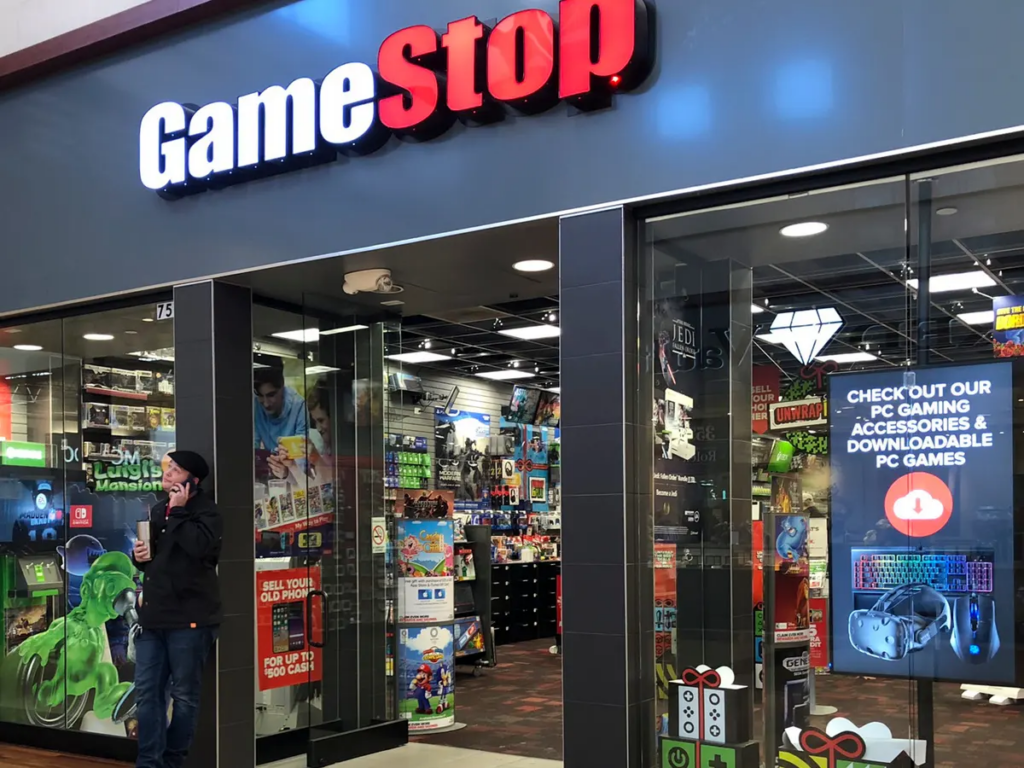
GameStop Shares Plummet Amid Bitcoin Pivot Concerns

GameStop (GME.N) shares tumbled more than 15% on Thursday, erasing gains from the previous day, as investors questioned the company’s strategy to pivot toward bitcoin while struggling to revive its core retail business.

The company announced a $1.3 billion offering of 0% 2030 convertible bonds to purchase bitcoin as a treasury reserve asset, a move that initially excited retail investors. However, the enthusiasm quickly faded when GameStop also revealed plans to close a “significant number” of stores, highlighting its continued financial struggles.

Analysts expressed skepticism over the timing of the bitcoin purchase, noting that the cryptocurrency has surged nearly 27% since November’s U.S. presidential election but remains volatile. Some questioned why GameStop waited so long to adopt this strategy.

The company’s approach mirrors that of MicroStrategy (MSTR.O), a major institutional bitcoin holder, but has so far failed to boost investor confidence. Additionally, broader uncertainties in the cryptocurrency market have added to concerns about the sustainability of GameStop’s pivot.

With Thursday’s drop, GameStop shares are down over 23% year-to-date.

Alphabet Shares Drop Amid Cloud Growth Concerns and Rising AI Spending

Alphabet’s stock dropped by 8% on Wednesday, driven by investor concerns over the company’s slowing cloud growth and planned capital expenditures of $75 billion for the year. This marks a significant shift for the Google parent, highlighting fears surrounding the escalating costs of artificial intelligence (AI) development.

The company’s quarterly cloud revenue grew by 30%, slower than the 35% increase seen in the previous quarter, and missed market expectations. This decline mirrors challenges faced by its larger cloud rival, Microsoft. Analysts have indicated that these results mark a shift in Google’s business model, moving from its capital-light, high-margin search advertising business to a more capital-intensive, AI-driven approach.

The projected increase in capital expenditures (CapEx) for 2025 is 29% higher than analysts’ estimates. Alphabet has indicated that it will prioritize costly AI investments to avoid falling behind competitors, a strategy that has raised concerns among investors looking for a clearer path to AI-driven profits. Analysts such as Gil Luria from D.A. Davidson expressed worry that Alphabet might be heading down the same path as Microsoft, facing the challenges of high AI costs without immediate returns.

Alphabet’s concerns were further compounded by the rise of China’s DeepSeek, a low-cost AI model that has spurred debate about the high expenses of AI development by Big Tech companies. Despite better-than-expected ad revenue performance, the heightened CapEx and cloud struggles have overshadowed the positive results.

Analysts have responded to the concerns by cutting their price targets on Alphabet’s stock, with some expressing doubts about the company’s ability to capture a significant share of the cloud market. Alphabet’s shares remain the cheapest among the major U.S. cloud providers, with a 12-month forward price-to-earnings ratio of 22.7, lower than Amazon’s and Microsoft’s ratios.


Carlos Ghosn Warns of “Carnage” for Nissan in Honda Merger

Carlos Ghosn, the former CEO of Nissan, has raised concerns about the potential consequences of a merger between Nissan and Honda, predicting that Nissan would bear the brunt of the cost-cutting measures. In an interview with CNBC, Ghosn expressed his belief that Honda would take control in the merger, which he described as “sad” considering his long tenure at Nissan. He emphasized that there is little complementarity between the two automakers, and any synergies would likely come through cost reductions and duplication of plans and technologies, which would harm Nissan, the “minor partner.”

Ghosn, who led Nissan for 19 years and was instrumental in its growth, criticized the lack of alignment between Nissan and Honda, suggesting that the merger would lead to significant layoffs and operational cuts at Nissan. He also pointed out that Nissan’s former partnership with Renault offered more complementarities, implying that the Nissan-Honda merger was not as strategically sound.

The merger speculation gained traction earlier this month, and both companies confirmed their talks on Monday. The proposed merger would result in a $54 billion entity, with Honda assuming the dominant role due to its significantly larger market capitalization. If successful, the combined group would become the world’s third-largest automaker, surpassing Hyundai. However, both Nissan and Honda executives have stressed that the merger would create economies of scale, particularly in the electric vehicle (EV) transition, and deliver long-term profitability.

Despite these assurances, concerns remain about the merger’s viability. Nissan is undergoing a major restructuring, which includes cutting production capacity and laying off 9,000 employees, while Honda’s CEO acknowledged that some shareholders may see the deal as a form of support for Nissan’s struggles. Ghosn suggested that Nissan’s move towards the merger indicated a sense of desperation, as the company appears unable to resolve its issues independently.

Investor reactions have mirrored these concerns. Kei Okamura, a portfolio manager at Neuberger Berman, noted that while the merger’s long-term vision seems promising, the integration process would be crucial to its success. He emphasized the uncertainty around the merger’s execution, particularly the challenges of integrating the companies’ assets, cultures, and people. Okamura also noted that the deal could fall through if Nissan’s restructuring efforts fail to yield results.

Both Nissan and Honda have declined further comment on Ghosn’s statements or the merger plans.