Yazılar

Pfizer Sees Stable Vaccine Policy Under Trump Despite RFK Jr. Appointment

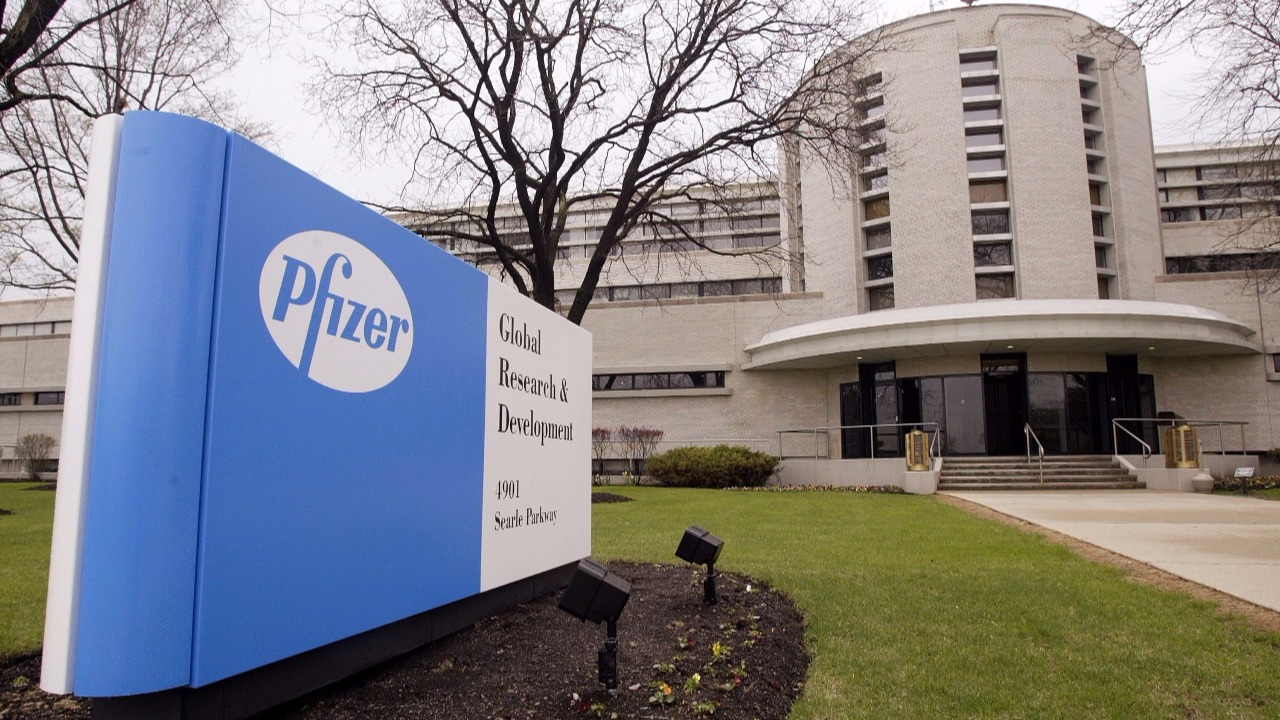
Pfizer does not anticipate major changes to U.S. vaccine policies under the Trump administration in 2025, even though President-elect Donald Trump has nominated Robert F. Kennedy Jr., a vaccine skeptic, to head the Department of Health and Human Services (HHS).

Speaking at an investor conference, Pfizer CEO Albert Bourla confirmed he had met with both Trump and RFK Jr. over dinner and described their relationship as positive. “If he’s confirmed, we will work with him to advance the right policies,” Bourla said.

Kennedy has long been criticized for questioning the safety and efficacy of vaccines, which have been instrumental in combating disease worldwide. While he rejects the “anti-vaccine” label, Kennedy has indicated that he would not block access to vaccines. Trump, meanwhile, has suggested that he may end certain childhood vaccination programs if concerns about safety arise.

Bourla highlighted Trump’s commitment to reforming the role of pharmacy benefit managers (PBMs), middlemen in the U.S. healthcare system who negotiate drug prices. Trump announced plans to eliminate PBMs, which Bourla argued could significantly lower patient out-of-pocket costs for medications.

Vaccine Market Outlook

Pfizer, which produces vaccines for COVID-19, pneumococcal disease, and RSV (respiratory syncytial virus), has faced market pressure since Trump’s announcement of Kennedy as his HHS nominee. However, Bourla reassured investors that Pfizer expects 2025 sales for its COVID-19 vaccine and treatment to remain consistent with 2024 levels.

Financial Performance and Turnaround Strategy

Pfizer’s financial outlook provided some relief to investors amid ongoing concerns over its future performance. The company forecasts 2025 adjusted profit between $2.80 and $3.00 per share, in line with analysts’ average estimate of $2.88. It also projects revenue between $61 billion and $64 billion, slightly below Wall Street’s consensus of $63.26 billion.

Shares rose 3.7% to $26.20 following the forecast, though Pfizer’s stock has dropped nearly 12% this year and remains well below its pandemic-era peak. The pharmaceutical giant has faced investor criticism, most notably from hedge fund Starboard Value, over its acquisition strategy and the lack of profitable drugs resulting from recent deals and internal research efforts.

In response, Bourla defended Pfizer’s strategy, which includes aggressive cost-cutting measures and the sale of non-core businesses to reduce debt. The company is under increasing pressure to introduce new blockbuster drugs to offset revenue declines from top sellers set to lose patent protection.

Conclusion

Despite concerns surrounding Trump’s choice of RFK Jr. for HHS and broader investor criticism, Pfizer remains cautiously optimistic about vaccine policies and its financial performance in 2025. The company continues to focus on cost efficiency, innovation, and policy collaboration to stabilize its outlook in a challenging post-pandemic environment.

 

Macy’s Discovers $154 Million in Hidden Expenses by a Single Employee

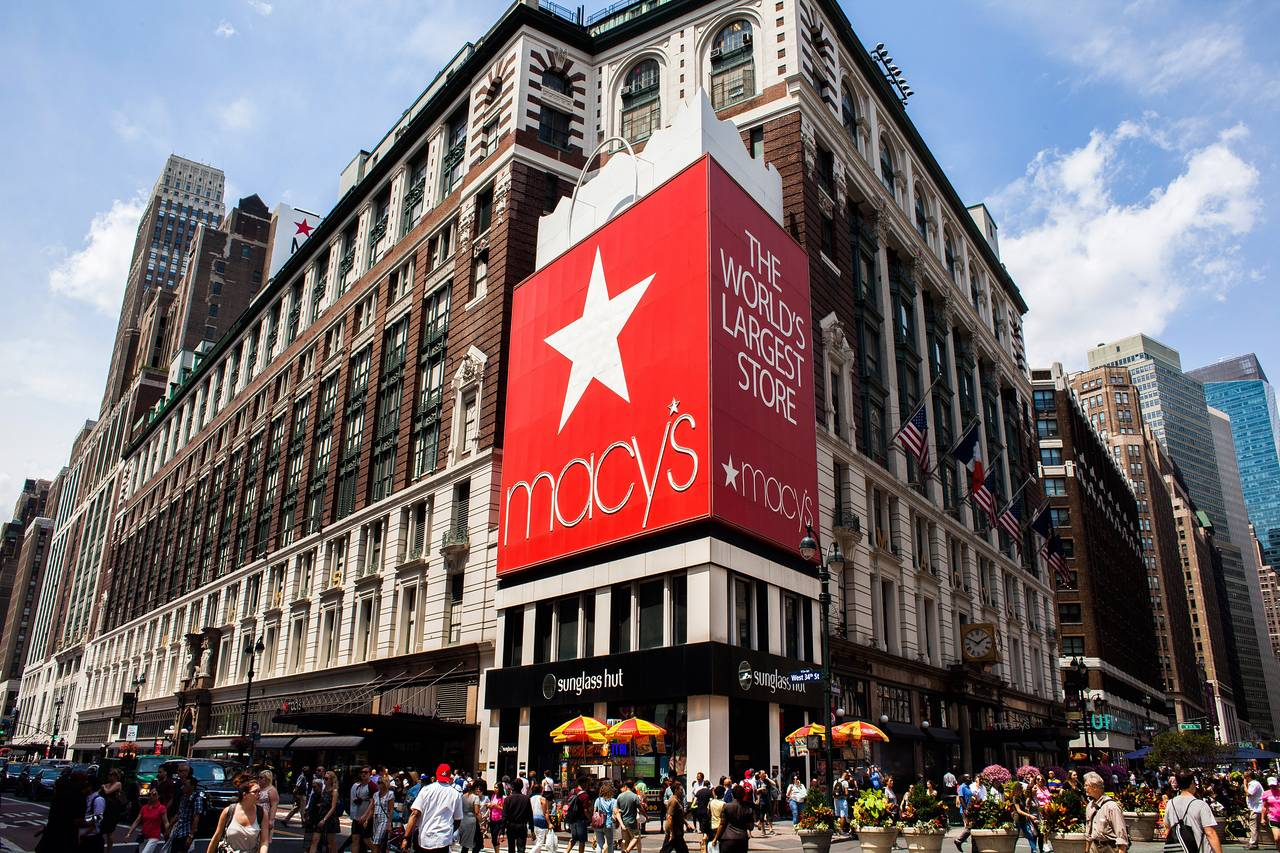
Macy’s has uncovered accounting irregularities involving a single employee who intentionally hid up to $154 million in expenses over nearly three years. This revelation has prompted the retailer to postpone its quarterly earnings report, originally scheduled for Tuesday, to December 11.

The former employee, whose identity has not been disclosed, concealed small package delivery expenses through “erroneous accounting accrual entries,” according to the company. While Macy’s has not clarified the motive behind these actions, it emphasized that the issue did not impact cash management or vendor payments.

Details of the Discovery

The irregularities were identified during an internal audit and have led to an independent forensic accounting investigation. Despite the large sum involved, the hidden expenses account for a fraction of Macy’s $4.36 billion in delivery expenses recognized since the fourth quarter of 2021.

In a statement, Macy’s CEO Tony Spring reassured stakeholders about the company’s commitment to ethical conduct:

“While we work diligently to complete the investigation as soon as practicable and ensure this matter is handled appropriately, our colleagues across the company are focused on serving our customers and executing our strategy for a successful holiday season.”

Investigators have not found evidence implicating any other employees in the scheme.

Investor Concerns and Preliminary Earnings

The revelation has raised questions about the effectiveness of Macy’s internal controls and auditing processes. Neil Saunders, a retail analyst at GlobalData Retail, criticized the oversight, stating:

“Such things create more nervousness for investors who are already concerned about the company’s performance.”

Adding to investor unease, Macy’s released a preliminary earnings report showing a 2.4% decline in quarterly sales to $4.7 billion. Weakness in digital sales and cold-weather merchandise contributed to the drop, exacerbated by unseasonably warm fall weather.

Macy’s shares fell nearly 3% at Monday’s open and are down 20% year-to-date.

Operational Challenges and Strategic Plans

The 165-year-old retailer continues to face challenges in its middle-market segment, which has been underperforming. Macy’s is executing a turnaround strategy that includes closing hundreds of underperforming stores. Despite this, sales at remaining stores also declined.

Conversely, the company’s premium segments, including Bloomingdale’s and Bluemercury, performed better, with sales rising 1.4% and 3.2%, respectively.

Earlier this year, Macy’s rejected offers from private investors to take over the company, opting instead to pursue its own recovery strategy.

As the investigation proceeds and the company navigates its turnaround, the incident underscores the importance of robust internal controls in maintaining investor confidence.


Big Tech’s AI Investment Surge Stirs Investor Concerns Over Profitability

Big technology companies like Microsoft, Meta, and Alphabet are ramping up investments in AI infrastructure, sparking concerns on Wall Street over the returns on these large expenditures. As they aim to meet growing demand for AI applications, Microsoft and Meta revealed on Wednesday that their capital expenses are rising due to increased spending on AI infrastructure, with Alphabet also reporting sustained high expenditures earlier in the week. Amazon is expected to follow a similar path, set to report results on Thursday.

These AI investments are eating into the companies’ high margins, making profitability a key concern among investors. On Thursday, shares in these companies fell, reflecting investor anxiety about balancing long-term AI development costs with the need for short-term financial performance. Despite surpassing revenue and profit expectations for the July-September quarter, Meta’s stock dropped by more than 3%, while Microsoft fell 6%, and Amazon saw a 3% decline as well.

Analysts highlight the high costs associated with operating AI technology and expanding capacity. Beatriz Valle of GlobalData remarked, “It’s costly to run AI technology. Getting capacity is expensive.” This fierce competition for AI infrastructure could mean delayed returns on these investments. Microsoft’s quarterly capital expenses now exceed its full-year spending from just three years ago, while Meta’s quarterly spending aligns with its entire annual budget from 2017. Microsoft announced a 5.3% rise in capital spending, totaling $20 billion, and anticipates further spending increases in the coming quarters as it pursues its AI goals.

However, Microsoft also warned of potential slowdowns in growth for its cloud service, Azure, due to limitations in data center capacity, adding pressure to investor concerns. Analyst Gil Luria at D.A. Davidson pointed out the potential for a prolonged margin impact, noting that heavy investment years like this one could reduce margins by a percentage point for up to six years.

Capacity constraints are also affecting the broader tech industry, with chipmakers like Nvidia and AMD struggling to meet surging AI chip demand. AMD recently indicated that supply will likely remain tight into next year, further limiting cloud providers’ ability to expand AI capacity. Despite these challenges, Meta and Microsoft are doubling down on AI’s long-term potential, comparing today’s AI investments to the early days of cloud technology development.

Meta’s CEO Mark Zuckerberg emphasized that while building infrastructure may not satisfy short-term investor expectations, the potential rewards justify continued investment. He stated on Wednesday’s earnings call, “We’re going to continue investing significantly in this.”