Yazılar

Apple Leads Smartphone Sales in First Quarter, New Data Reveals

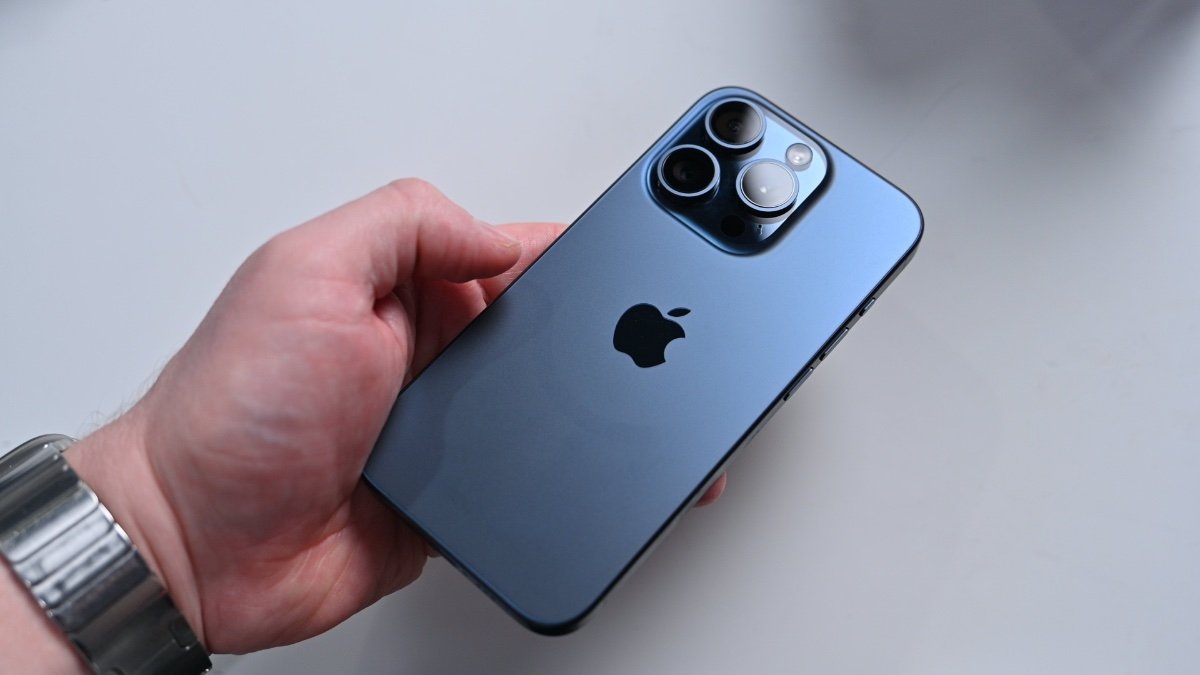
Apple secured the top position in global smartphone sales for the first quarter, powered by the successful launch of the iPhone 16e and growing demand in markets like Japan and India, according to data released by Counterpoint Research on Monday. The company captured 19 percent of the smartphone market, maintaining its lead even as sales in key regions such as the United States, Europe, and China remained flat or declined.

Trailing closely behind, Samsung held an 18 percent share of the global market. Meanwhile, the International Data Corporation (IDC) reported that worldwide smartphone shipments edged up by 1.5 percent in the first quarter. Apple, anticipating potential tariff impacts from US President Donald Trump’s trade policies, had accelerated shipments to the US by organizing chartered cargo flights to ferry up to 1.5 million iPhones from India.

The turbulence in global trade, fueled by Trump’s shifting tariff decisions, has rattled financial markets over the past two weeks, raising fears of a slowing economy and rising inflation. In response to looming tariffs, companies like Apple took swift action to safeguard their supply chains and product availability, a strategy that appeared to pay off during the volatile period.

However, some relief came when Trump announced exemptions for smartphones, computers, and several other electronics from the tariffs on Chinese imports. This move triggered a rally in global tech stocks on Monday. Still, experts, including IDC’s Ryan Reith, cautioned that despite this temporary reprieve, US companies remain heavily dependent on China’s supply chain, leaving them vulnerable to future policy shifts and market disruptions.

Apple and Nvidia Receive Exemptions from US Tariffs, Easing Trade Pressure

The Trump administration has granted a significant exemption from its reciprocal tariffs, which provides relief for major global tech manufacturers, including Apple and Nvidia. These exemptions, announced by US Customs and Border Protection, apply to a range of consumer electronics such as smartphones, laptops, hard drives, and memory chips. This move effectively narrows the scope of the tariffs, which had originally included a hefty 125 percent tariff on products from China, as well as a 10 percent baseline tariff on products from other countries. For tech companies and consumers alike, this offers a welcome reprieve, even though the exemptions may only be temporary.

The newly announced exclusions are a major win for the technology sector, especially considering that many of these devices are not manufactured domestically in the US. With products like iPhones, computers, and other essential electronics not being produced within the country, the tariffs had threatened to drive up prices for consumers. The decision to exempt these items comes at a crucial time when many had feared price hikes due to the escalating trade tensions. The exemption also provides some breathing room for companies like Apple and Nvidia, which have made significant financial commitments to the US in the past few months, further solidifying their importance in the tech landscape.

For consumers, the news is likely to ease concerns over rising prices. In anticipation of higher costs, many had already begun purchasing electronics in a rush, particularly iPhones and laptops. The exemption will likely prevent those fears from becoming a reality, stabilizing prices for these popular consumer products. However, the broader impact of the tariffs and trade war on global markets continues to reverberate, contributing to market volatility and uncertainty.

The exemption represents a notable softening in the US’s approach to the trade conflict with China. Although it doesn’t mark a full resolution of the trade war, it is a sign of potential thawing relations between the two economic powers. Backdated to April 5, this exemption covers an estimated $390 billion in US imports, including over $101 billion from China. This move offers a glimpse into the shifting dynamics of international trade and its effect on global markets, particularly the tech industry, which remains at the center of the ongoing geopolitical tensions.

Apple Challenges UK Order on Encryption Access, Tribunal Confirms Appeal

Apple Pushes Back Against UK Encryption Access Order, Tribunal Reveals

Apple is formally challenging a directive from the British government that would require the company to create a “back door” into its encrypted cloud services. The Investigatory Powers Tribunal (IPT), which oversees intelligence and surveillance issues in the UK, confirmed on Monday that the tech giant has launched an appeal against the order.

In a written ruling, the IPT rejected a request by the British government to keep the basic details of the case confidential — including the fact that Apple is the one contesting the demand. This means the public now has visibility into the dispute, which centers around encryption standards and government access to private user data.

While both Apple and the UK Home Office declined to comment immediately, earlier reports from The Washington Post indicated that the UK had issued a “technical capability notice” compelling Apple to make encrypted user data — including messages and photos — accessible, regardless of a user’s location. If enforced, this could set a precedent affecting not just UK users but Apple’s global encryption policies.

Apple has consistently maintained its stance against building back doors into its devices or services, warning that any such access point could be exploited by bad actors, not just government agencies. In response to the UK’s regulatory pressure, Apple recently removed its most advanced cloud encryption feature, Advanced Data Protection, for new users in the UK — a move that underscores the serious implications of the ongoing legal and policy battle.