Yazılar

iPhone Users Can Now Set Google Translate as Their Default Translation App

Google Translate Can Now Be Set as Default on iPhone With Latest iOS Update

Google Translate for iOS has received a major functionality upgrade, allowing iPhone and iPad users to set it as their default translation app. This change comes in the wake of Apple’s iOS 18.4 update, which expanded support for third-party apps to take over core system functions such as media playback, navigation, and translation. Until now, Apple’s native Translate app was the primary option for handling translation requests. With this update, Google Translate becomes a powerful and flexible alternative.

According to the latest information available on the iOS App Store, users running iOS 18.4 or iPadOS 18.4 can now configure Google Translate as their default translation app. To do this, users must update the app to version 9.8.011 or later. Once set, the app will handle translation tasks triggered through system features such as Siri or text selection, offering a more personalized and potentially more accurate translation experience based on Google’s extensive language database.

Google Translate’s capabilities go far beyond basic word-for-word translation. The app supports real-time translation between 249 languages, making it one of the most comprehensive tools available on mobile platforms. It accommodates multiple input methods, including typing, voice dictation, and even handwriting recognition. The app also includes offline functionality via downloadable language packs, ensuring continued usability even without an internet connection.

Additional features enhance Google Translate’s usefulness in everyday scenarios. Users can translate text in images using the camera, perform live transcription during conversations, and save frequently used phrases for quick access. These tools make the app particularly useful for travelers, multilingual households, and professionals needing fast and reliable translation. Now, with the ability to set it as the default translator on iOS devices, Google Translate becomes even more tightly integrated into the Apple ecosystem—offering users a seamless, cross-platform language solution.

Apple Unveils CarPlay Ultra Starting with Aston Martin Partnership

Apple has introduced the next generation of its in-car interface, CarPlay Ultra, aiming to redefine how drivers interact with their vehicles and iPhones. This new version takes CarPlay far beyond the traditional infotainment screen by integrating deeply with the entire vehicle’s dashboard, including all driver-facing screens. Real-time information, digital gauges, and customizable widgets powered by the iPhone will now be visible not just on the central display but also across the instrument cluster and other cockpit screens. Apple is collaborating with several automakers worldwide, including Hyundai, Kia, and Genesis, to bring this enhanced experience to a broad range of new vehicles.

CarPlay Ultra is currently available on Aston Martin’s core lineup of vehicles such as the DBX, Vantage, DB12, and Vanquish, with availability starting for new orders in the US and Canada. Over the coming year, Apple plans to expand the suite’s reach globally and roll out software updates to existing cars, allowing owners to upgrade their infotainment systems at local dealerships. This ensures that even current vehicle owners can benefit from the advanced CarPlay features without needing to purchase a new car.

One of the standout features of CarPlay Ultra is its ability to transform the instrument cluster into a highly customizable digital display. Drivers can tailor essential information such as the speedometer, tachometer, fuel level, and temperature gauges to suit their preferences. The system also integrates navigation, media, and advanced driver assistance system (ADAS) data directly into the instrument cluster, reducing the need to glance away from the road. This seamless integration helps improve safety while enriching the driving experience.

Beyond the instrument cluster, CarPlay Ultra provides versatile control options for a wide range of vehicle functions. Users can manage radio settings, climate control, audio configurations, and even performance modes via intuitive on-screen controls, physical buttons, or voice commands through Siri. Additionally, iPhone-powered widgets can be placed on various screens for quick access to essential information like weather, calendar events, or messages. With this launch, Apple is positioning CarPlay Ultra as the ultimate in-car companion, blending convenience, customization, and connectivity like never before.

iPhone Production Begins at Tata’s New Facility as Foxconn Gears Up, Signaling Apple’s Growing Focus on India

Apple is steadily expanding its manufacturing footprint in India, with a new plant in southern India recently commencing iPhone production. This move marks a strategic effort to diversify production away from its primary manufacturing base in China, which has faced challenges amid escalating trade tensions between the US and China. The new facility, operated by Tata Electronics in Hosur, Tamil Nadu, has begun assembling older iPhone models, signaling Apple’s commitment to scaling operations in the region.

The backdrop to this expansion is the ongoing trade war between Washington and Beijing, where US tariffs on Chinese goods have raised concerns about supply chain disruptions and increased costs. Although electronics have so far been exempted from tariffs, the threat of future levies has prompted Apple to seek alternatives. India’s growing manufacturing ecosystem and favorable government policies have made it an attractive destination for Apple to mitigate risks and reduce dependency on Chinese production.

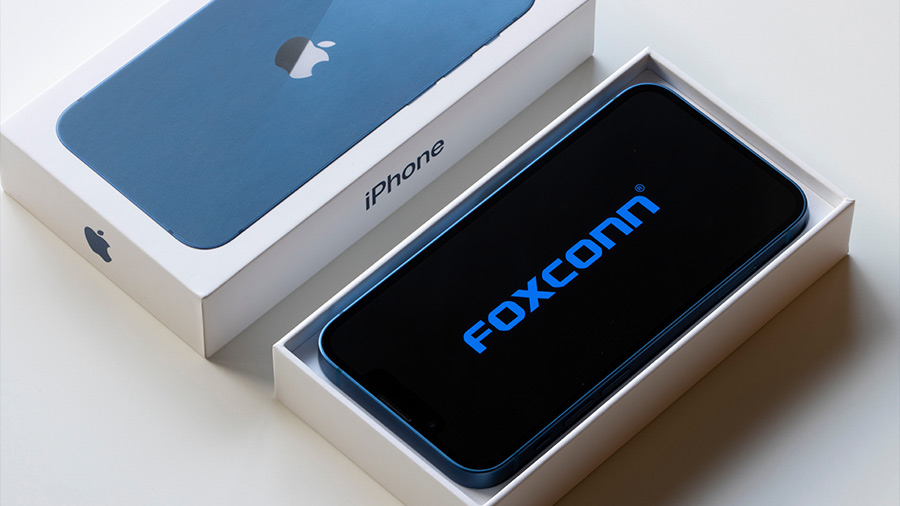
In addition to Tata Electronics’ plant, a $2.6 billion facility run by Foxconn is nearing completion in Bengaluru, Karnataka. According to multiple sources, the Foxconn plant is expected to start initial operations soon, with production ramping up through one assembly line initially. The factory is projected to produce the latest iPhone 16 and 16e models and will eventually create around 50,000 jobs when it reaches full capacity, anticipated by the end of 2027.

This expansion reflects Apple’s long-term vision to strengthen its supply chain resilience and capitalize on India’s manufacturing potential. By establishing multiple production hubs in India, Apple not only reduces its exposure to geopolitical risks but also taps into a vast and growing market. The company’s investment signals confidence in India as a vital player in the global smartphone supply chain in the years to come.