Yazılar

Apple Suspends Advanced Data Protection Feature in the UK Due to Government Pressure

Apple has announced it is pulling its most advanced security feature, Advanced Data Protection (ADP), from the UK in response to government pressure demanding access to user data. This decision marks an unprecedented move by the tech giant, which had previously touted ADP as a significant advancement in user privacy. The feature, designed to provide end-to-end encryption across a broad spectrum of cloud data, will no longer be available to new users in Britain. Those who attempt to activate the feature will receive an error message starting Friday.

Existing users of ADP in the UK will eventually be required to disable the security feature, signaling a significant shift in how Apple handles data privacy in the country. With ADP, Apple had ensured that even it could not access certain types of user data, such as iCloud backups and iMessages. The removal of this encryption means that iCloud backups in the UK will now be less secure, allowing Apple to access user data and potentially provide it to authorities if legally compelled to do so.

This change has raised concerns among privacy advocates who view end-to-end encryption as a critical safeguard against surveillance and unauthorized data access. Apple had positioned ADP as a major step forward in protecting users’ personal information from hackers, cybercriminals, and even governmental overreach. However, with the UK government pushing for greater access to encrypted data in the name of national security, Apple has been forced to make this difficult concession.

While the company has not specified the exact legal demands that led to the removal of ADP in the UK, this move suggests increasing tension between tech companies and governments over the balance between privacy and law enforcement needs. As the situation unfolds, Apple’s decision may set a precedent for other tech giants and could signal a shift in how encryption technologies are implemented globally.

iOS 18.4 Beta 1 Rolls Out for iPhone with Priority Notifications and Image Playground Enhancements

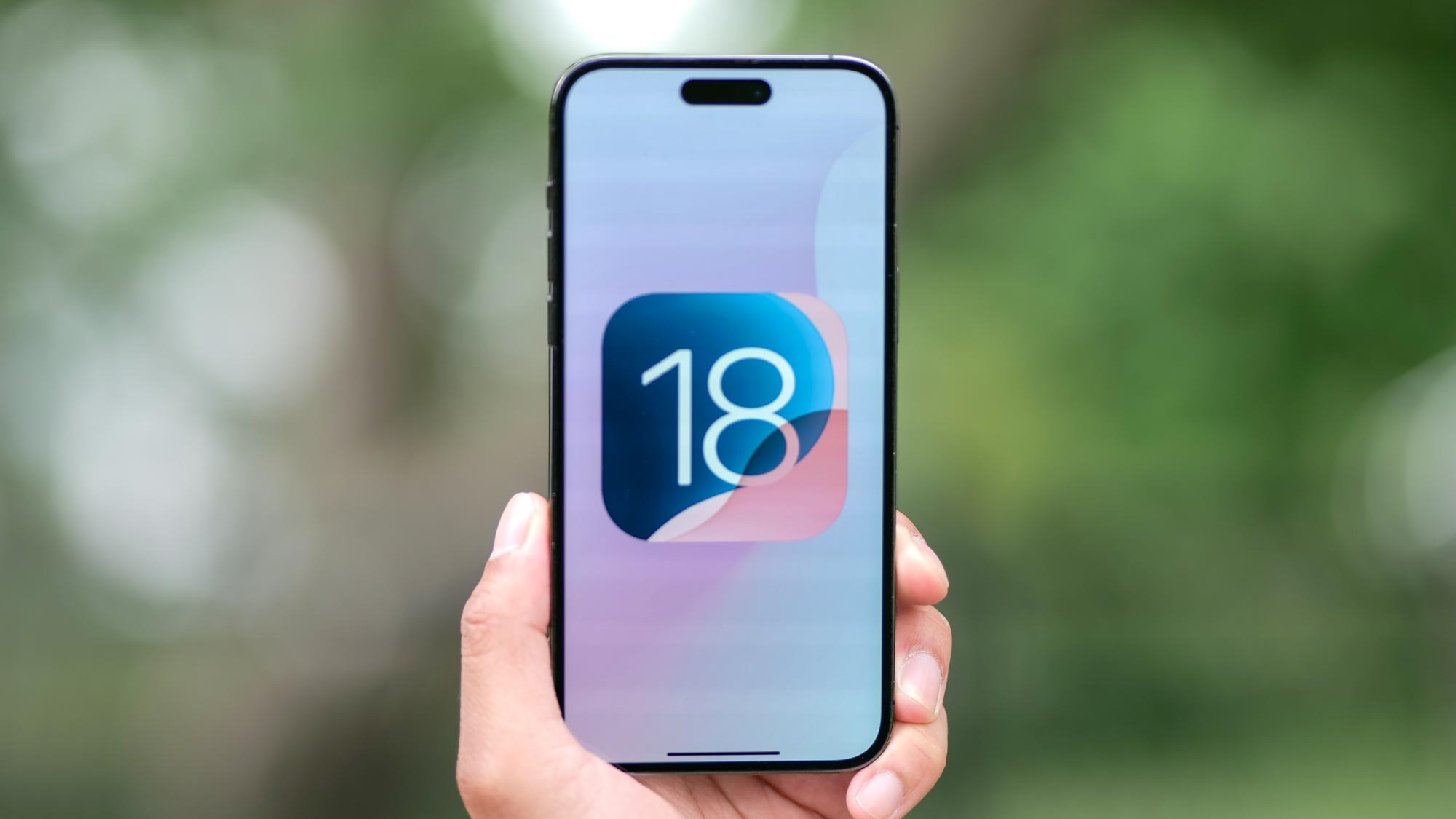
Apple has rolled out the iOS 18.4 Beta 1 update for iPhone, introducing several new features, including enhancements powered by Apple Intelligence—the company’s AI suite. One of the most notable additions is the long-awaited Priority Notifications feature, which Apple initially previewed at WWDC 2024 but had yet to release. This feature intelligently analyzes incoming notifications and highlights the most important ones in a dedicated section on the iPhone’s lock screen. Alongside this, the update also introduces a refreshed experience in Apple’s Image Playground and a new Ambient Music option.

The Priority Notifications feature leverages on-device AI processing to evaluate the relevance of notifications while maintaining user privacy. When enabled, it filters notifications and displays only the most critical ones at a glance. Users can still access all notifications by swiping up on the lock screen. Apple emphasizes that this AI-powered feature is designed to enhance efficiency without compromising data security, as all processing occurs locally on the device rather than on Apple’s servers.

To enable Priority Notifications, users need to navigate to Settings > Notifications > Prioritise Notifications since the feature is turned off by default. Another notable addition in the iOS 18.4 Beta 1 update is the new Ambient Music option in the Control Centre. This feature plays a randomly selected mix of background sounds categorized into four themes: Sleep, Chill, Productivity, and Wellbeing. However, users do not have control over the specific tracks being played. They can, however, see what’s currently playing and use the Dynamic Island music player to skip tracks if desired.

In addition to these key updates, iOS 18.4 Beta 1 is expected to include general bug fixes, security improvements, and performance enhancements. With Apple continuing to refine its AI-driven features, future updates could expand customization options for Priority Notifications and Ambient Music. As the beta testing phase progresses, Apple is likely to tweak and optimize these features before the official iOS 18.4 release in the coming weeks.

iPhone 16e Expected to Feature a Trimmed-Down Version of Apple’s A18 Chipset with Fewer Cores

Apple unveiled the iPhone 16e on Wednesday, marking the latest entry-level model in its lineup and a spiritual successor to the iPhone SE (2022). While the iPhone 16e shares many of the same features as the flagship iPhone 16 series, including a 48-megapixel primary camera, Apple Intelligence integration, and the A18 SoC, there is a key difference in the chip’s architecture. The A18 chipset in the iPhone 16e is a binned version of the one used in the iPhone 16, which could lead to performance differences, particularly when it comes to more demanding tasks.

The iPhone 16e uses a binned version of Apple’s A18 chip, which has a hexa-core CPU but a slightly less powerful GPU compared to the regular iPhone 16. While the standard iPhone 16 also has a hexa-core CPU, its GPU is more robust with five cores, compared to the iPhone 16e’s four-core GPU. This discrepancy in GPU architecture suggests that the iPhone 16e may not perform as well in graphics-intensive applications, such as gaming or other tasks that demand high graphical output. However, Apple has not yet disclosed whether this change significantly impacts the device’s overall performance.

The use of a binned A18 chip is part of a common industry practice known as chip binning. During the manufacturing process, not all chips perform at the same level due to variations in the production process. Higher-performing chips are reserved for premium models, while those with slightly lower performance are binned and used in more affordable devices. In the case of the iPhone 16e, the lower GPU core count is likely a result of this binning process, ensuring that the device remains a cost-effective option without compromising too much on overall performance.

Although the iPhone 16e may have a slightly less powerful GPU, the CPU performance is expected to be similar to that of the iPhone 16, as both models share the same CPU core count. This means that for everyday tasks like browsing, social media, and standard app usage, the iPhone 16e should still offer a smooth experience. However, users looking for peak performance in graphics-heavy tasks might notice a difference when compared to the higher-end iPhone 16 models. As always, it will be interesting to see how these technical differences translate into real-world performance once the device is widely available.