Yazılar

iPhone SE 4 Expected to Feature Apple’s In-House 5G Modem, Offering Slower Upload and Download Speeds, Says Report

iPhone SE 4 to Feature Apple’s Proprietary 5G Modem, but With Slower Network Speeds

The iPhone SE 4, expected to launch on February 19 as the successor to the iPhone SE (2022), will reportedly feature Apple’s long-awaited proprietary 5G modem. However, according to a recent report, the device will offer slower download and upload speeds compared to flagship models like the iPhone 16. This is because the modem, developed by TSMC, will lack support for mmWave 5G, which is known for offering faster network speeds. This could make the iPhone SE 4 less competitive against devices that use Qualcomm’s X75 modem, which supports faster 5G speeds and broader coverage.

Apple’s Shift to In-House 5G Technology

Apple has been working for several years to develop its own 5G modem, a move that would reduce the company’s reliance on third-party suppliers such as Qualcomm and Intel. Though rumors had suggested that the company would introduce its in-house modem with the iPhone 14 and later with the iPhone 15, the launch has been delayed due to various technical challenges. The iPhone SE 4 is expected to be the first Apple device to debut this modem, marking a significant milestone in the company’s efforts to internalize key components. While the modem will be a step forward for Apple, its lack of mmWave 5G support is expected to result in slower network speeds compared to more advanced modems used by competitors.

Impact on Network Performance

The absence of mmWave 5G in the iPhone SE 4’s modem could limit the device’s ability to deliver high-speed network performance, especially in areas where mmWave 5G is available. While sub-6GHz 5G will still provide fast speeds, mmWave 5G is often much faster and capable of handling higher data throughput. As a result, users of the iPhone SE 4 may experience slower data transfer rates compared to users of other 5G-enabled phones that support mmWave technology. This could be a significant disadvantage for customers who prioritize fast internet speeds and network performance in their devices.

Apple’s Long-Term Strategy for 5G Modems

Analysts, including Ming-Chi Kuo, have suggested that the iPhone SE 4 will serve as the starting point for Apple’s transition to in-house 5G technology. The company is reportedly aiming to phase out third-party modems over time, with future iPhones increasingly relying on Apple’s proprietary 5G components. Following the iPhone SE 4, the next major iPhone expected to feature Apple’s custom modem may be the iPhone 17 Air/Slim, slated for release in late 2025. This gradual rollout of in-house technology reflects Apple’s broader strategy to control more of its hardware and reduce dependence on outside suppliers, even if the initial results may not match the competition in terms of network speeds.

Leaked iPhone 17 Pro and iPhone 17 Renders Reveal Bold New Rear Camera Bar Design

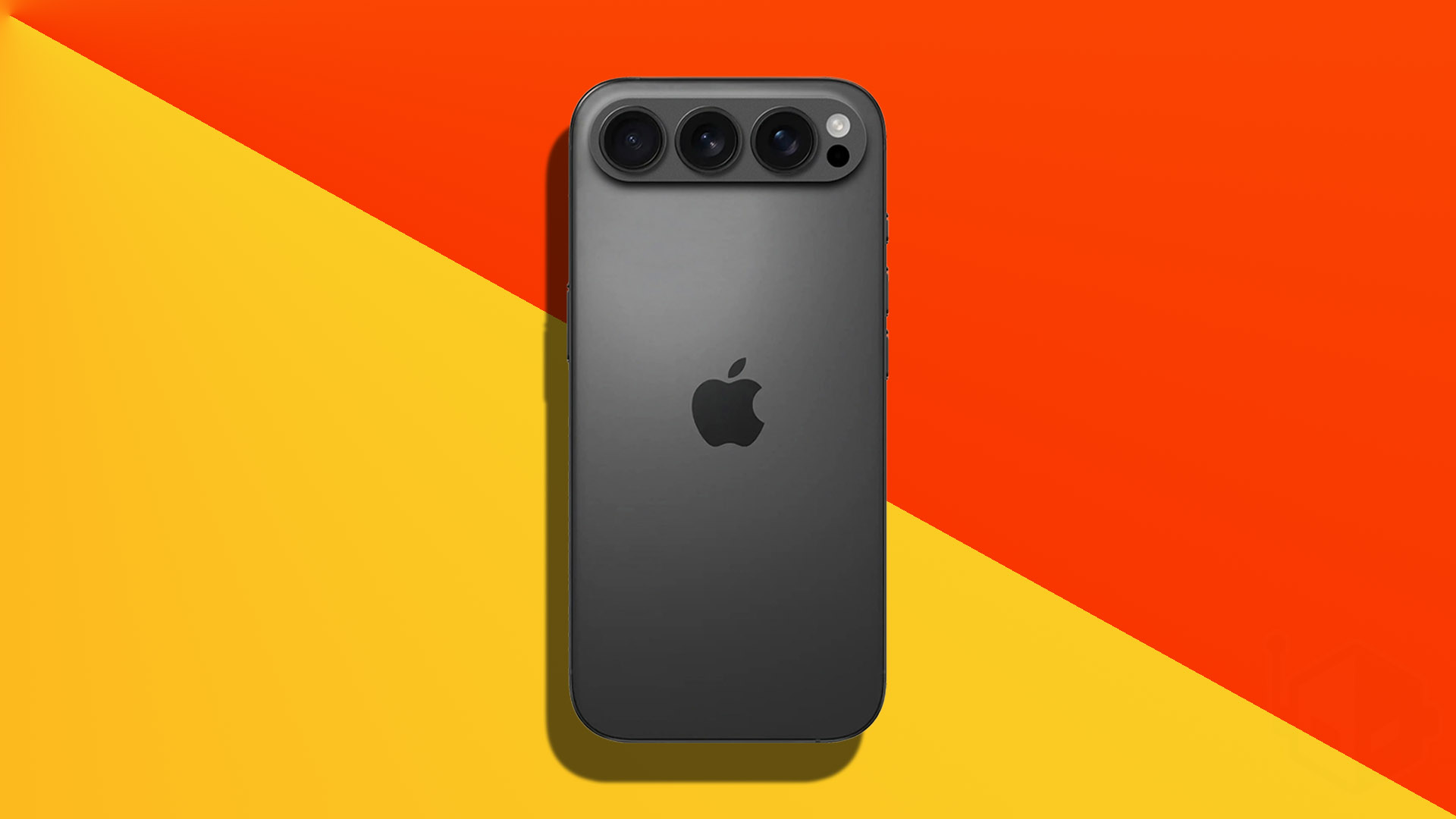
Apple’s upcoming iPhone 17 series is still months away from its official launch, but early design leaks have already surfaced online. Newly leaked renders suggest a significant redesign, particularly in the rear camera module of the iPhone 17 and iPhone 17 Pro models. The standard iPhone 17 is depicted with a horizontally aligned dual-camera setup housed in an elongated camera bar, while the Pro model appears to retain the same triple-camera layout as its predecessor, the iPhone 16 Pro. These changes hint at Apple’s ongoing efforts to refine the aesthetics and functionality of its flagship devices.

iPhone 17, iPhone 17 Pro Design Leaks

A render of the iPhone 17, shared by X (formerly Twitter) user @MajinBuOfficial, suggests that Apple may introduce a new rear camera alignment. In contrast to last year’s iPhone 16 and iPhone 16 Plus, which featured a vertical camera layout, the iPhone 17 appears to adopt a horizontal alignment for its primary and ultrawide cameras. The camera bar extends across the width of the device, incorporating an LED flash on the right side. The leaked render shows a white-colored phone with a dark camera bar, indicating that the bar might have a uniform shade across different color options.

Meanwhile, the iPhone 17 Pro render surfaced in a video by Jon Prosser’s FrontPageTech YouTube channel. The Pro model shares the same elongated camera bar design as the iPhone 17 but accommodates three cameras, making it noticeably taller. Unlike some earlier leaks that depicted the iPhone 17 Pro with a new horizontal triple-camera alignment, the latest render suggests it will retain the familiar camera layout of the iPhone 16 Pro, with an LED flash positioned at the right end of the bar.

The redesigned camera bar across both models could signify a broader shift in Apple’s design language for the iPhone 17 series. While these renders are not officially confirmed, they align with Apple’s pattern of incremental but meaningful design changes in recent years. As more leaks and reports emerge in the coming months, a clearer picture of Apple’s 2025 flagship lineup will likely take shape, offering further insights into its camera and design innovations.

UK Allegedly Demands Apple Unlock Encrypted User Accounts

British security officials have reportedly demanded that Apple create a ‘back door’ to access all content uploaded to the cloud by any Apple user worldwide, according to a report from The Washington Post citing sources familiar with the matter. This move, if confirmed, would mark a significant escalation in government efforts to bypass encryption protections put in place by major tech companies.

Apple is unlikely to comply with the demand and may instead discontinue encrypted storage services in the UK to uphold its commitment to user privacy, the report suggests. The UK Home Office has allegedly issued a “technical capability notice” compelling Apple to grant access to encrypted data. However, a spokesperson for the Home Office declined to confirm or deny the existence of such a notice, stating, “We do not comment on operational matters.”

This development adds to ongoing tensions between governments and tech companies over encryption policies. While law enforcement agencies argue that encryption hampers criminal investigations, privacy advocates and technology firms maintain that weakening security measures creates vulnerabilities that could be exploited by bad actors. Apple has consistently positioned itself as a defender of user privacy, resisting similar demands in the past.

The UK government has recently intensified scrutiny of major tech firms. In January, regulators launched an investigation into Apple’s and Google’s control over smartphone operating systems, app stores, and web browsers. This latest reported demand on Apple signals a broader effort by British authorities to exert influence over global technology policies, raising concerns about digital privacy rights beyond the UK.