Yazılar

iPhone SE 4 Rumored to Sport iPhone 14-Style Notch, Dummy Images Reveal Design Tweaks

Apple is reportedly developing the iPhone SE 4 as the successor to the iPhone SE (2022), and new leaks suggest that its design will closely resemble the iPhone 14. While some early reports speculated that the device might feature Apple’s Dynamic Island, industry analyst Ross Young has contradicted these claims, stating that the phone will retain a notch similar to the iPhone 14. Recently leaked dummy images support this assertion, showcasing a design that borrows elements from multiple past iPhone models while introducing a few key changes.

Ross Young addressed these rumors in response to a post on X (formerly Twitter), confirming that the notch design would remain in place for the iPhone SE 4. Meanwhile, tipster Majin Bu shared a short video snippet allegedly showing the device, revealing a mix of design influences. The glossy back panel, featuring a single rear camera and LED flash, is reminiscent of the iPhone 4, while the sides and front bear a strong resemblance to the iPhone 14. Notably, the video also suggests that Apple will finally replace the Lightning port with a USB Type-C port, aligning with the European Union’s recent regulations mandating a standardized charging interface.

The shift to USB Type-C marks a significant update for the iPhone SE lineup, as the current iPhone SE (2022) is the last Apple handset to feature a Lightning connector. With the iPhone 15 and upcoming iPhone 16 series already equipped with USB Type-C, this transition was widely expected. Apple’s compliance with EU regulations ensures that all future iPhone models, including budget-friendly options like the SE series, adhere to the new charging standard, making accessories more universally compatible across devices.

As Apple prepares to phase out the iPhone SE (2022), the introduction of the iPhone SE 4 will likely provide users with a more modern design while maintaining its reputation as an affordable entry point into the Apple ecosystem. However, details about its specifications, pricing, and official launch date remain under wraps. With more leaks and reports emerging, the iPhone SE 4 is shaping up to be a compelling upgrade for budget-conscious Apple users seeking a refreshed design with updated hardware.

Report Warns of Side Channel Exploits Targeting Recent iPhone and Mac Models, Threatening Sensitive Data

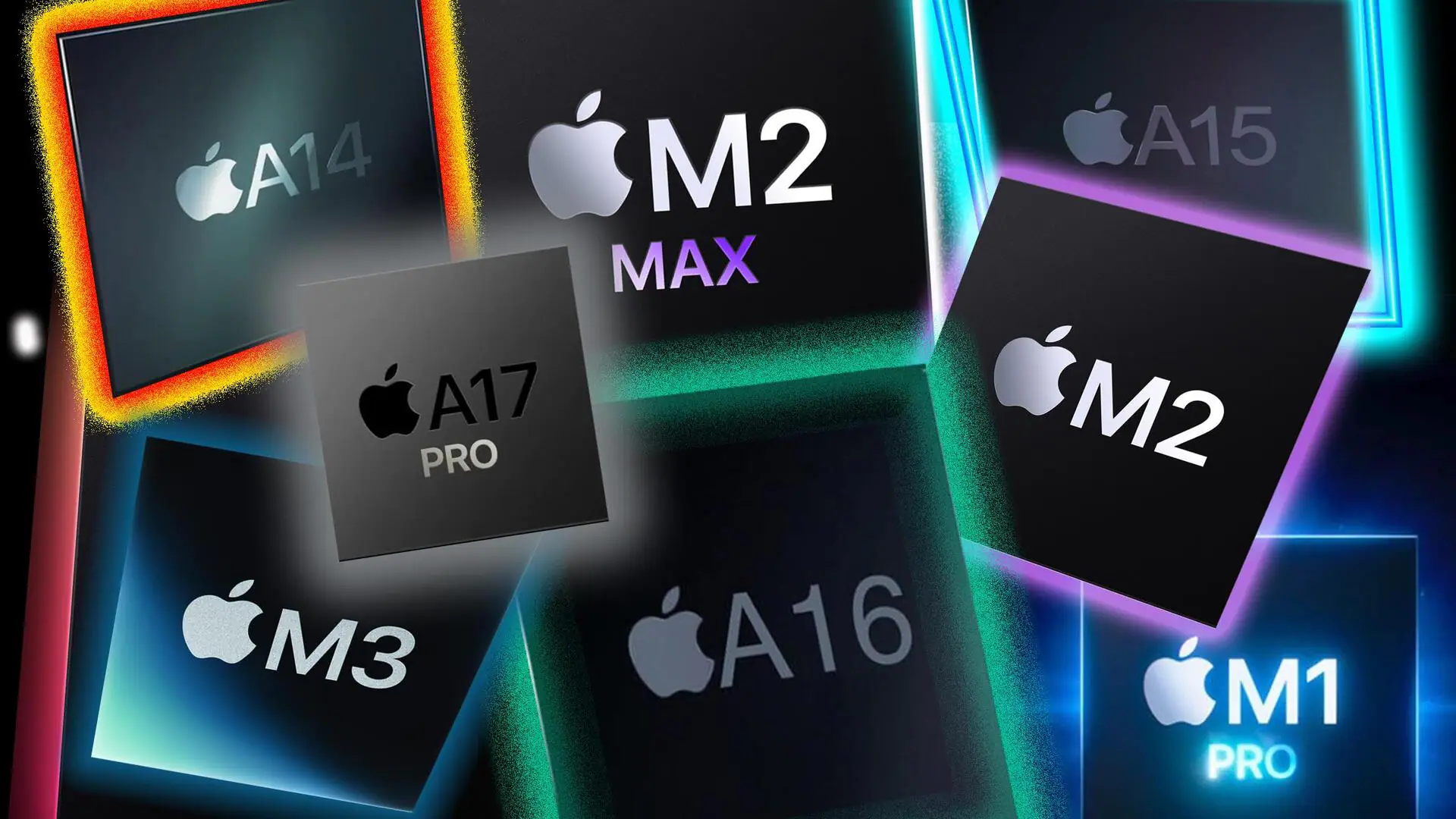
Security researchers have identified a new set of vulnerabilities in Apple’s A and M-series Silicon chipsets, potentially exposing recent iPhones, iPads, and Macs to side-channel exploitation. According to a report, these vulnerabilities allow threat actors to access sensitive memory contents, including private data from applications like Google Maps and iCloud Calendar, which would typically be off-limits. Alarmingly, even the latest iPhone 16 models and M4-powered Macs are at risk, suggesting a widespread security concern for Apple’s ecosystem.

Apple Devices at Risk

A report by Ars Technica highlights that a wide range of Apple devices could be vulnerable to these exploits. Affected models include:

  • All MacBook models from 2022 onward
  • All iMac models from 2023 onward
  • All iPad Pro, Air, and Mini models from September 2021 onward
  • All iPhone models from September 2021 onward

This broad exposure means millions of Apple users could be at risk, especially those relying on these devices for sensitive tasks such as online banking, document storage, and location-based services.

How the Vulnerability Works

The vulnerability stems from an optimization technique in Apple’s Silicon chips known as speculative execution, which predicts and executes instructions ahead of time to improve processing speed. However, researchers have identified two types of side-channel attacks that exploit this mechanism. The more dangerous of the two, dubbed Floating-Point Operations (FLOP), manipulates the Load Value Predictor (LVP)—a component designed to predict memory contents—to trick the CPU into accessing restricted memory. This allows attackers to steal sensitive information from a user’s browser, such as Google Maps location history or events stored in iCloud Calendar. The attack is particularly effective if a victim has Gmail or iCloud open in one browser tab while visiting a malicious website in another for around five to ten minutes.

The Security Implications

Security experts warn that this exploit could bypass critical memory safety checks, making unauthorized data access easier. “If the LVP guesses wrong, the CPU can perform arbitrary computations on incorrect data under speculative execution. This can cause critical checks in program logic for memory safety to be bypassed, opening attack surfaces for leaking secrets stored in memory,” the researchers stated. Given the severity of the issue, Apple is expected to address these vulnerabilities in upcoming software updates or possibly future hardware revisions. Until then, users should be cautious about their browsing habits and avoid keeping sensitive applications open while navigating untrusted websites.

Apple Shares Rise on Positive Forecast, but China Concerns Persist

Apple’s stock rose by 2% on Friday, driven by a promising forecast that boosted optimism about a potential iPhone sales rebound. The world’s most valuable company is set to add over $81 billion to its market value of $3.573 trillion if the gains hold. The forecast predicts revenue growth in the low to mid-single digits for the current quarter, suggesting that demand for the iPhone 16 series is picking up despite initial concerns. The iPhone 16, launched without most AI-powered features, has benefited from recent updates, including ChatGPT integration.

Apple’s cautious approach to AI contrasts with the heavy investments made by competitors like Microsoft and Alphabet. However, analysts are reassured by the company’s steady results, particularly as AI spending becomes a focus for big tech companies. Despite these positive developments, Apple faces challenges in its third-largest market, China. The company has yet to secure a local partner for AI features in the region, and rivals like Huawei continue to gain market share. Apple’s sales in China declined by 11% in Q4 2024, but government stimulus measures are expected to mitigate the impact.

At least 12 analysts raised their price targets for Apple, with its stock rising by 30% last year, outpacing Microsoft’s 12% increase. However, Apple’s price-to-earnings ratio stands higher than its competitors, with a forward P/E of 31.12 compared to Microsoft’s 29.2 and Meta’s 26.7.