Yazılar

OnePlus Announces Plan to Replace Alert Slider with Customizable Smart Button

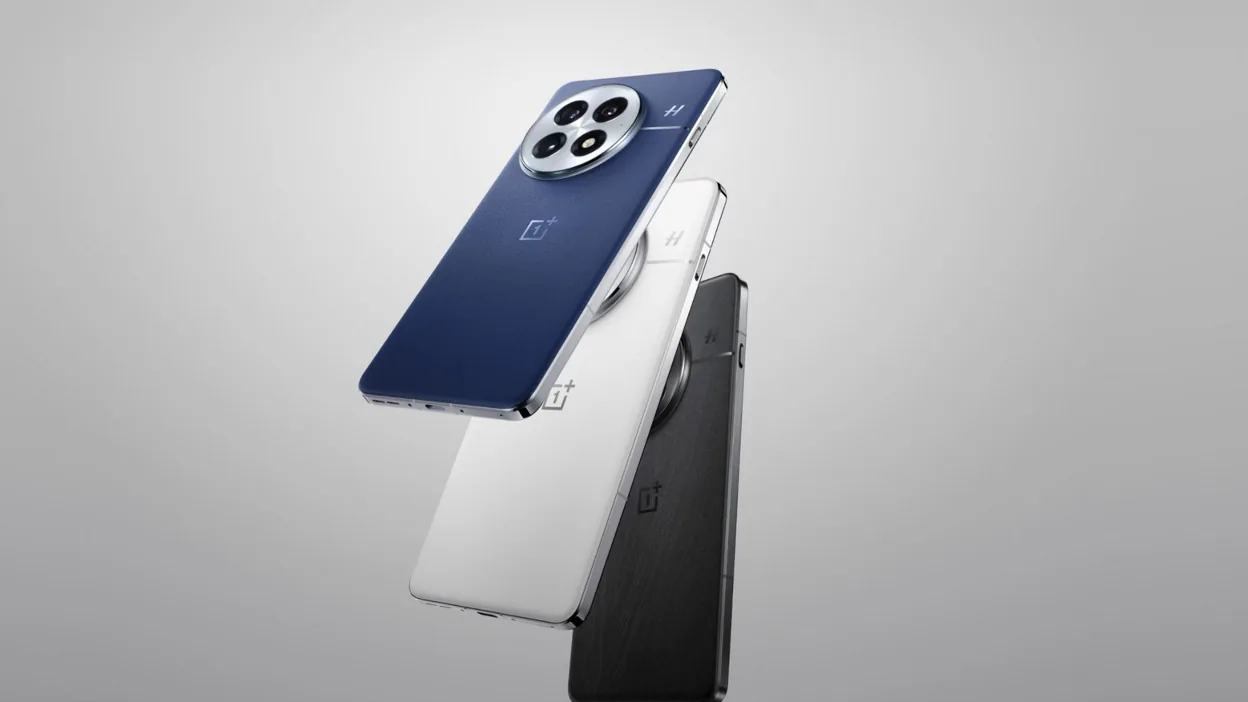
OnePlus has revealed plans to replace its iconic Alert Slider with a customizable smart button, a move that marks a significant shift in the design of its flagship smartphones. The Alert Slider, which has been a hallmark of OnePlus devices for years, allowed users to quickly adjust the sound profile of their phone without unlocking it. However, the company has recognized the hardware limitations of the slider and is seeking a more modern and versatile solution. The new button is expected to offer greater functionality, much like Apple’s Action Button, which allows users to customize various actions beyond a single function.

In a detailed community post, OnePlus CEO Pete Lau shared insights into the company’s decision to move away from the Alert Slider. Lau explained that while the slider has been a favorite feature, it only serves a singular purpose: switching between sound profiles. He admitted that the brand had been contemplating how to enhance the slider’s functionality for the past three years, but the physical limitations of the design made it impossible to implement any significant changes.

Lau further elaborated on the decision by pointing out that the Alert Slider occupies a substantial portion of the phone’s body, yet its utility is limited. Despite considering the idea of making the slider customizable, OnePlus found that it was constrained by the fixed physical positions required for its specific functions. As a result, the company is turning to a smarter, more flexible alternative — a button that can be personalized by the user to perform various actions, allowing for more customization and better use of available space.

This shift comes as part of OnePlus’s ongoing efforts to refine and innovate its hardware offerings, making its smartphones even more user-friendly and versatile. While many users will likely miss the simplicity and charm of the Alert Slider, the company’s decision to replace it with a customizable smart button demonstrates its commitment to providing cutting-edge technology that adapts to the evolving needs of its user base. The new button will allow for a more dynamic interaction with the device, signaling a new era for OnePlus smartphone design.

iPhone 17 Air Dimensions Leaked, Expected to Feature Slim Bezels Similar to iPhone 16 Pro Max

iPhone 17 Air Leak Reveals Slim Design and Comparable Dimensions to iPhone 17 Pro Max

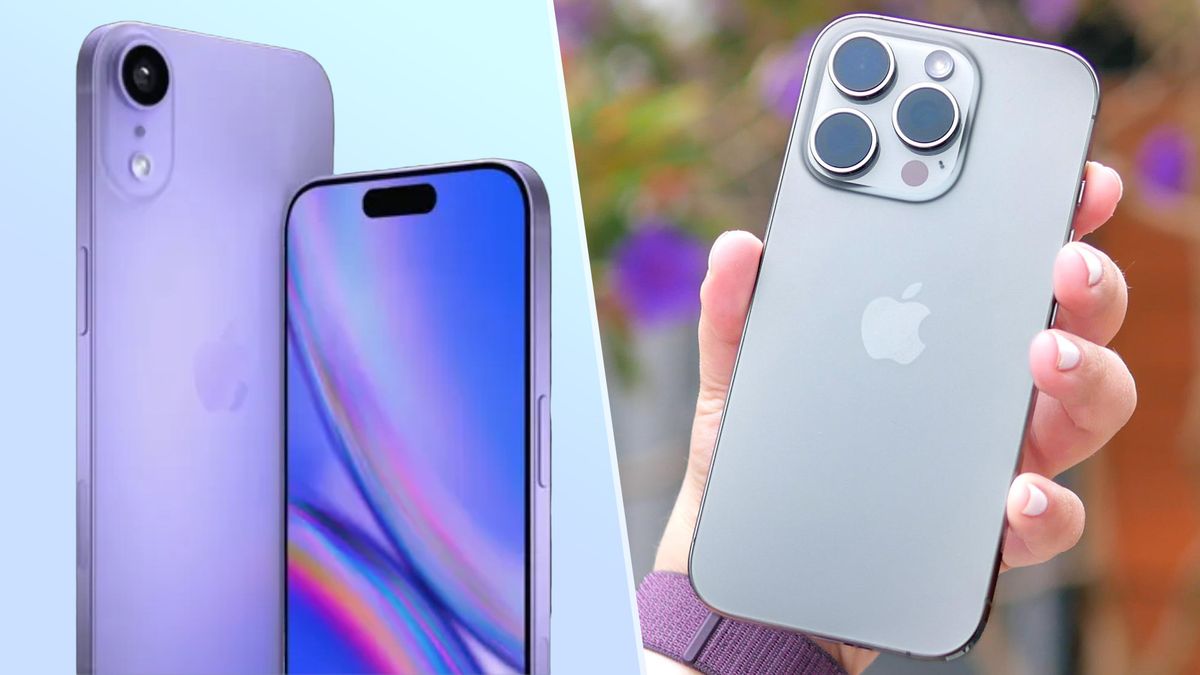
The upcoming iPhone 17 Air is rumored to be Apple’s slimmest smartphone in recent years, with leaked details providing a glimpse into its design. According to a tip from renowned leaker Ice Universe, the iPhone 17 Air could be as thin as 5.5mm, making it even thinner than its contemporaries like the Samsung Galaxy S25 Edge, which is expected to debut next month. This slim design would be a significant departure from the bulkier smartphones Apple has released in the past, giving the iPhone 17 Air a more sleek and modern look.

The leaked dimensions reveal that, apart from its thinner profile, the iPhone 17 Air will have nearly identical length and width to the iPhone 17 Pro Max. Both devices are expected to have similar overall measurements, with the iPhone 17 Air and iPhone 17 Pro Max both standing at 163mm in height and 77.6mm in width. This would make the iPhone 17 Air just as large as the iPhone 16 Pro Max, though its slimmer design should offer a more comfortable and lightweight experience for users.

One of the most significant changes coming to the iPhone 17 Air is its display. The tipster claims that the iPhone 17 Air will sport a 6.9-inch LTPO AMOLED display, which is 0.2mm larger than the screen on the iPhone 16 Plus. The larger screen could offer improved visuals, along with the energy efficiency that comes with an LTPO panel, allowing for better battery performance. Additionally, the iPhone 17 Air is expected to feature the same slim bezels as the iPhone 16 Pro Max, further enhancing the device’s modern, edge-to-edge display appearance.

With these expected design changes, the iPhone 17 Air looks set to offer a combination of impressive screen size, slimmer form factor, and cutting-edge display technology. The anticipated similarities with the iPhone 17 Pro Max could make the iPhone 17 Air an attractive alternative for users looking for a more affordable, yet equally capable, model. As more details emerge, it will be interesting to see how this device stacks up against both its predecessors and its competitors.

Apple Said to Be Working on Upgraded C1 Modem with mmWave Support for Next iPhone

Apple is reportedly working on a refreshed version of its proprietary C1 modem, addressing a key functionality missing from the current iteration. The original C1 modem, which was first introduced with the iPhone 16e last month, marked a significant step for Apple, as it reduced the company’s reliance on Qualcomm for cellular modem technology. While the C1 modem represents an important advancement, the iPhone 16e, powered by this modem, lacks mmWave support, a feature that allows for faster 5G speeds in certain conditions. However, Apple is now said to be developing a new version of the modem that will include mmWave functionality, potentially offering significant improvements.

According to TF Securities analyst Ming-Chi Kuo, the current C1 modem in the iPhone 16e utilizes a 4nm or 5nm baseband, 7nm low-frequency transceivers, 7nm transreceivers for immediate frequency, and a 55nm Power Management Integrated Circuit (PMIC). This setup supports only sub-6GHz 5G, which is sufficient for most uses but falls short in areas where mmWave support is critical. While Apple claims the C1 modem is the “most power-efficient modem ever,” the lack of mmWave support has been a limiting factor, especially when it comes to download and upload speeds. To address this, Apple is now focused on developing a refreshed version that can handle mmWave frequencies, which could significantly enhance the performance of future iPhones.

The upcoming C1 modem refresh is expected to include new transreceivers and front-end components based on a 28nm node to support mmWave. While this upgrade is technically feasible, Kuo notes that balancing high-performance capabilities with power efficiency remains a challenge. The addition of mmWave support isn’t particularly complex from a technical standpoint, but it requires careful tuning to ensure that power consumption doesn’t increase significantly. Apple will likely focus on maintaining its reputation for power efficiency while delivering faster 5G speeds, particularly in regions where mmWave 5G is available.

While the refreshed C1 modem is still under development, its inclusion of mmWave support is expected to bring a considerable boost to the iPhone’s 5G capabilities, especially in urban areas where mmWave infrastructure is more common. This move further solidifies Apple’s push to reduce its dependency on third-party suppliers like Qualcomm and establish a more independent approach to modem technology. As 5G networks continue to expand and evolve, Apple’s ongoing advancements in this area will play a crucial role in shaping the performance and competitiveness of its future devices.