Yazılar

Apple Unveils iOS 18.4 Beta 4 for iPhone, Bringing Bug Fixes and New Features

On Monday, Apple launched the iOS 18.4 Beta 4 update for iPhone, now available to developers and beta testers. This update continues the trend of the previous versions, offering more stability and bug fixes rather than introducing major new features. iOS 18.4 Beta 4 addresses several issues reported by users, particularly focusing on improvements to Apple Intelligence, Notifications, and Siri. In addition, it enhances support for Live Activity apps by enabling them to take advantage of the Nearby Interaction feature.

The changelog for iOS 18.4 Beta 4 reveals specific fixes for Apple Intelligence, the company’s suite of artificial intelligence services. One notable fix addresses an issue where Siri needed to be activated for Apple Intelligence to function properly in languages other than English (US). Users had also reported problems with Apple Intelligence features being unavailable or showing a “Downloading support…” message, and in some cases, a device reboot was required for the AI features to work. Apple claims that these issues have now been resolved with the latest beta update.

The update also brings improvements to Notifications, a feature that had experienced flickering or collapsing issues in previous versions. With the release of iOS 18.4 Beta 4, these problems have been addressed, ensuring a smoother experience with notifications. Additionally, the update resolves issues with Siri suggestions, particularly in languages other than English, which had been failing to complete successfully for some users. Following this update, Siri’s functionality in multiple languages has been restored to normal.

While iOS 18.4 Beta 4 does not introduce any groundbreaking new features, its focus on bug fixes and performance improvements indicates that Apple is continuing to refine the overall user experience. For those participating in the beta program, this update promises a more stable and reliable version of iOS as Apple works toward a final public release.
Apple Set to Begin Mass Production of Foldable iPhone and iPad Pro in Late 2026

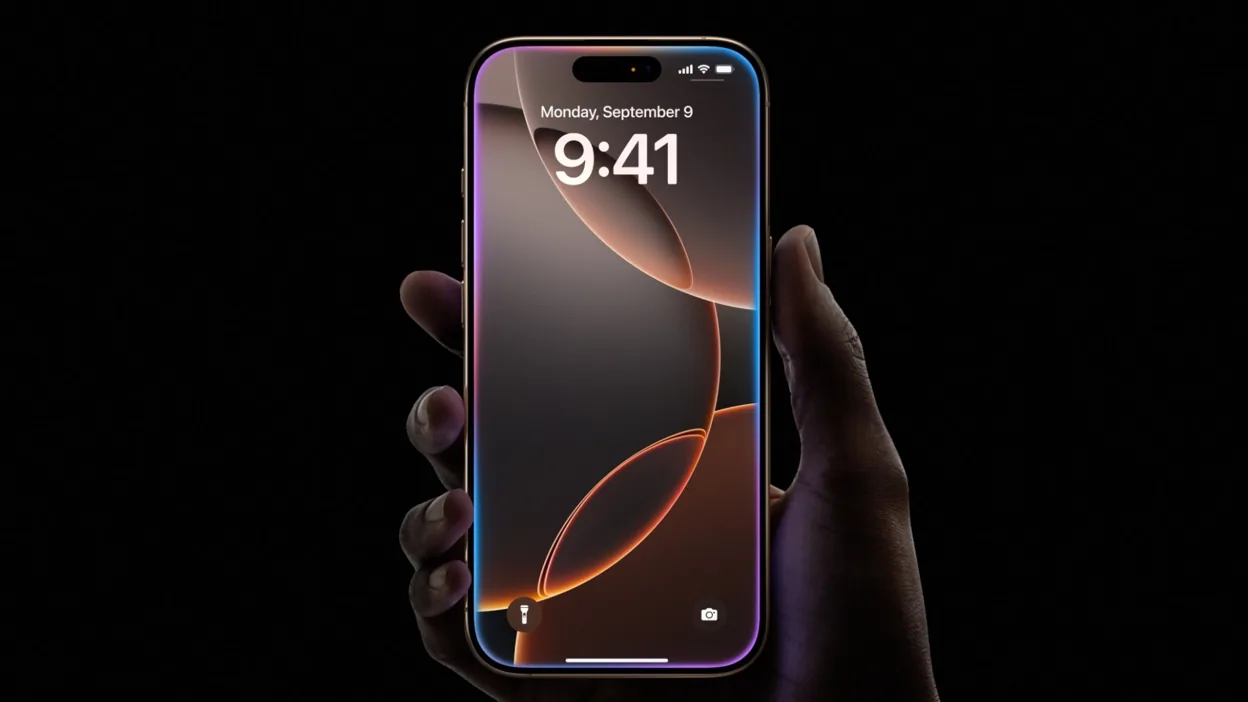
Apple is reportedly preparing to begin mass production of its long-anticipated foldable devices, including the foldable iPhone and foldable iPad Pro, in the second half of 2026. According to a recent report, the company is expected to produce an early prototype of both devices by April. This marks a significant milestone for Apple, as it continues to explore foldable technology, which has gained popularity among other smartphone manufacturers in recent years. The foldable iPhone is rumored to feature a 7.8-inch main display with a 5.5-inch cover screen, while the foldable iPad Pro could boast an impressive 18.8-inch screen.

These foldable devices are expected to represent a major shift in Apple’s product lineup, as the company has traditionally been cautious about entering new form factors. However, reports suggest that Apple is taking significant steps toward bringing these devices to market, with prototypes likely to be tested in the coming months. The foldable iPhone and iPad Pro models are expected to offer users a more versatile and compact design, combining the portability of a smartphone with the functionality of a tablet.

According to analyst Jeff Pu, who shared insights with MacRumors, both the foldable iPhone and iPad Pro have entered the New Product Introduction (NPI) phase at Foxconn, Apple’s key manufacturing partner. The NPI phase is a crucial step in the manufacturing process, involving design refinement, engineering adjustments, and prototyping before a product can be mass-produced. This indicates that Apple is moving closer to finalizing its foldable device concepts and preparing them for widespread production.

If these reports are accurate, the second half of 2026 will be an exciting period for Apple fans, as the company is set to release two groundbreaking devices. As the tech industry increasingly gravitates toward foldable technology, Apple’s entry into this space could have significant implications, potentially setting new trends in device design and functionality.

Apple AirPods May Soon Support Live Conversation Translation With iOS 19 Update

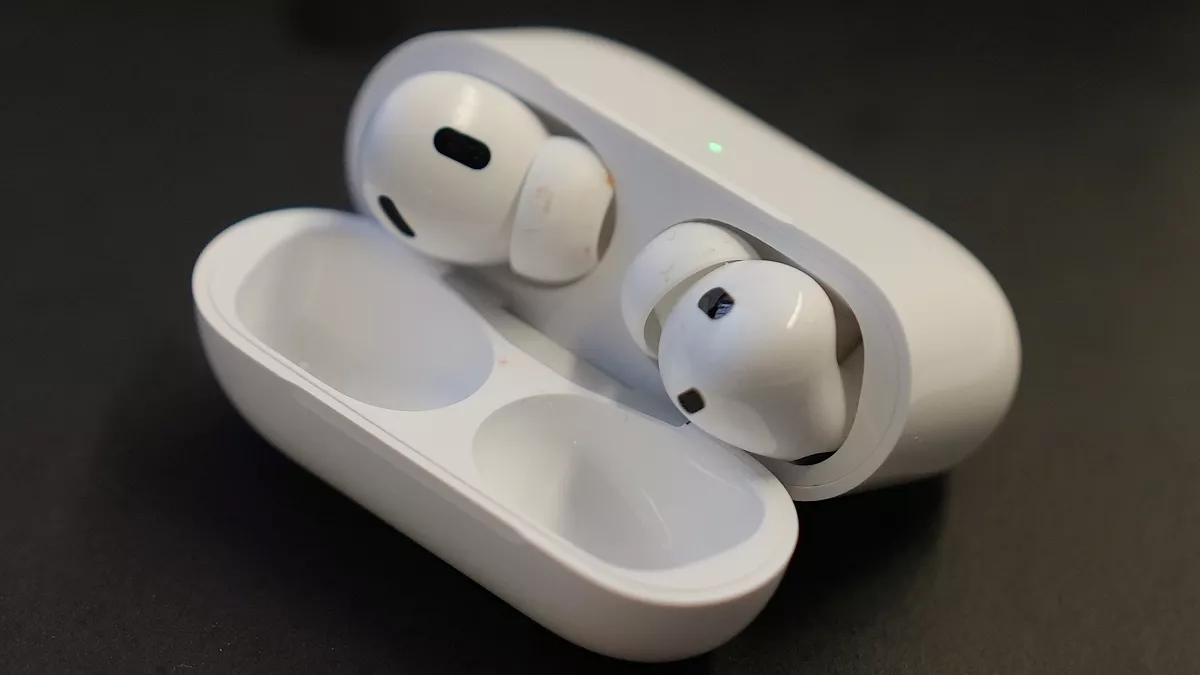
Apple is reportedly preparing to introduce a live conversation translation feature for its AirPods, enhancing their functionality beyond audio playback. According to a Bloomberg report, the feature will enable real-time translation of in-person conversations by leveraging the processing power of a connected iPhone. This capability mirrors a similar feature found on Google’s Pixel Buds when used with Pixel smartphones. Apple has been steadily expanding AirPods’ accessibility and AI-driven features, previously incorporating hearing aid support and exploring future models with built-in cameras and AI enhancements.

The live translation feature is expected to roll out as part of a software update later this year, aligning with the launch of iOS 19. Sources familiar with Apple’s plans indicate that the update will be available for existing AirPods models, eliminating the need for users to upgrade their hardware to access this functionality. If the reports are accurate, this move could significantly enhance AirPods’ value proposition, positioning them as more than just wireless audio devices.

Functionally, the translation process will rely on the connected iPhone, which will handle the heavy processing required for real-time audio translation. The feature is expected to work by capturing audio from a conversation, translating it using the iPhone’s processor, and then playing the translated speech through the AirPods. Meanwhile, responses from the AirPods user can be translated back and played through the iPhone’s speaker, facilitating seamless multilingual communication.

By integrating live translation into AirPods, Apple aims to further solidify its ecosystem of smart and interconnected devices. If successful, this update could prove to be a game-changer for travelers, professionals, and anyone frequently engaging in multilingual conversations. More details about the feature are expected to emerge when Apple officially unveils iOS 19 later this year.