Yazılar

ISS Advises Shareholders to Oppose Virtual AGMs at Siemens

Institutional Shareholder Services (ISS), a prominent proxy advisory firm, has recommended that Siemens shareholders vote against the continuation of virtual annual general meetings (AGMs) in the coming years. The proposal will be put to a vote at Siemens’ AGM on February 13.

Siemens has held virtual AGMs since 2021, but maintaining this practice requires a three-quarters majority approval. ISS, however, has expressed concerns over Siemens’ lack of commitment to reinstating in-person meetings, stating that the company’s justification for virtual-only AGMs is “not convincing.”

According to financial sources, Siemens has reserved the Munich Olympiahalle for 2026, suggesting it is preparing for a potential return to physical meetings if shareholders reject the virtual format. While Siemens has not commented on the booking, a spokesperson defended the digital format, citing “very good experiences” with virtual AGMs.

With ISS opposing the measure, Siemens now faces uncertainty over whether it can secure the necessary votes to continue virtual shareholder meetings beyond this year.
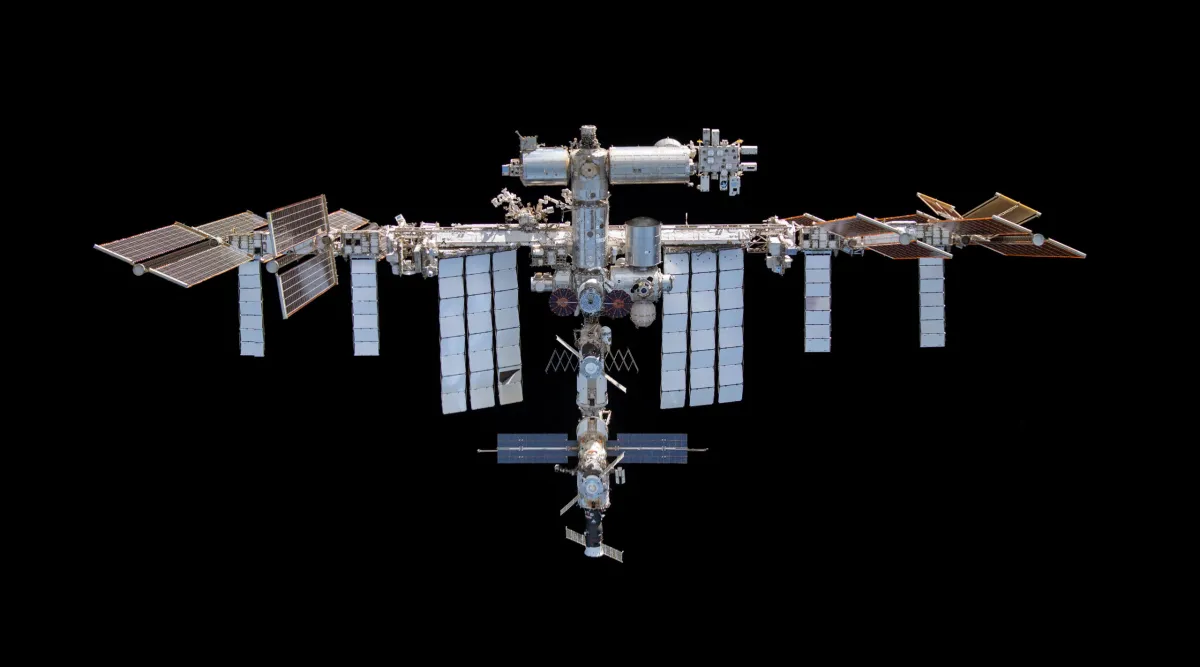
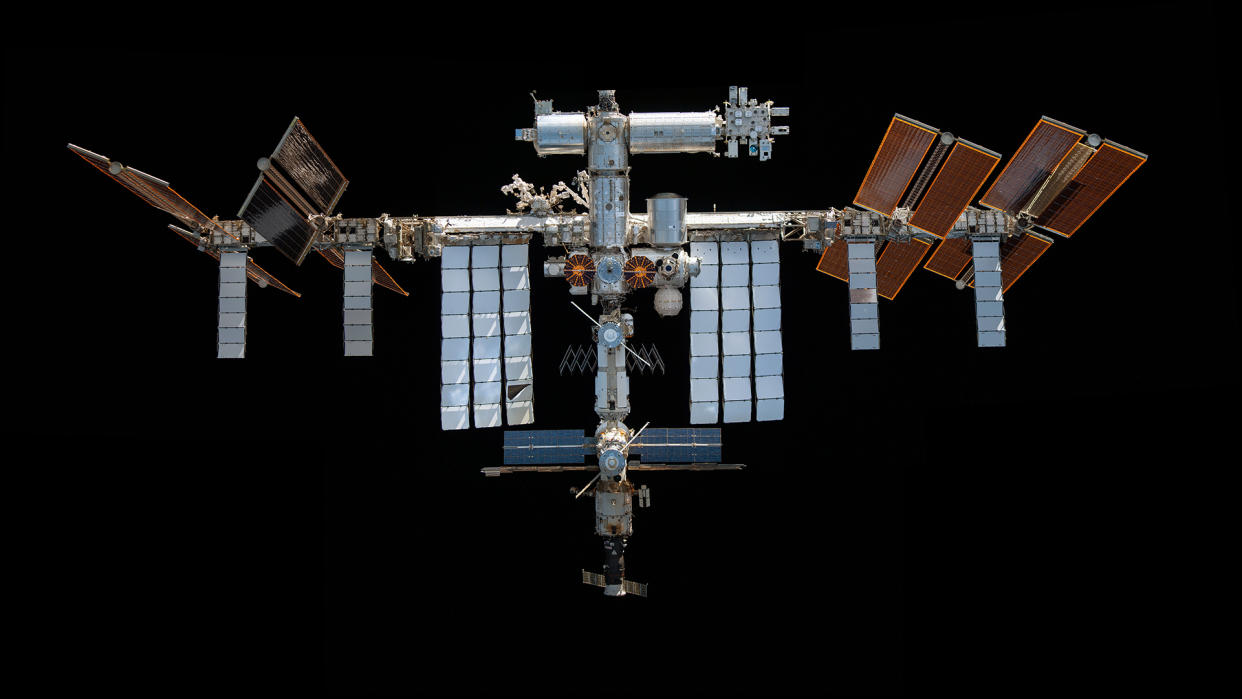
 

Concerns Over Environmental Effects of ISS Deorbit in 2031 on Oceans and Atmosphere

The planned deorbit of the International Space Station (ISS) in 2031 has sparked discussions on its potential environmental impact. The ISS, weighing around 450 tons and facing various operational issues like coolant leaks and structural damage, is set to undergo a controlled re-entry into Earth’s atmosphere. The spacecraft will be directed toward Point Nemo, a remote area in the South Pacific Ocean often used for deorbiting space hardware, which is dubbed the “spacecraft cemetery” due to its distance from human settlements. However, environmental experts have raised concerns regarding the potential consequences for both the ocean and atmosphere as the ISS burns up during re-entry.

One of the main areas of concern involves the potential impact on Earth’s oceans. While the re-entry is expected to occur over a sparsely populated part of the ocean, environmentalists are wary of the long-term effects of large space objects re-entering the atmosphere. According to experts, although oceanic pollution from such events is minimal when compared to other forms of human activity, it still raises valid concerns about the accumulation of space debris in remote areas like Point Nemo. As space exploration increases, these unregulated disposal practices may become an increasingly significant issue for the global environment.

In addition to the oceans, there are also concerns about the ISS’s controlled re-entry’s impact on Earth’s atmosphere. Physicist Luciano Anselmo from the Space Flight Dynamics Laboratory in Pisa, Italy, pointed out that while the risk of oceanic pollution from space debris is low, the potential effects on the upper atmosphere are still not fully understood. The materials that disintegrate during re-entry may contribute to atmospheric changes or unknown chemical reactions. Further studies are required to assess the full range of atmospheric risks posed by large spacecraft falling back to Earth, particularly when considering the global effects of such high-altitude debris.

Advocacy groups, including Greenpeace International and the Ocean Conservancy, have also voiced concerns about the lack of international regulations

ISS Crew Senses Toxic Odor from Russian Cargo Spacecraft, Safety Protocols Initiated

ISS Crew Responds to Toxic Smell from Russian Cargo Spacecraft, Safety Measures Activated
A recent incident aboard the International Space Station (ISS) raised alarms when the crew detected an unusual smell upon opening the hatch of the Russian Progress MS-29 cargo spacecraft. The spacecraft, which had successfully docked to the Poisk module, was found to emit an unexpected odor and small droplets, prompting immediate safety protocols. The crew acted swiftly to contain the affected area, ensuring the health and safety of all personnel aboard the station.

Containment and Investigation
According to a tweet from the official ISS account, the odor was described by NASA astronaut Don Pettit as “reminiscent of spray paint.” This raised concerns that the smell could indicate contamination within the Russian segment of the station. As the crew investigated further, they decided to close off the area around the spacecraft and take necessary precautions to prevent any harmful exposure. The detection of visible droplets in the spacecraft added to the urgency of the situation.

Safety Protocols and Air Purification
In response to the potential contamination, NASA and Roscosmos activated air purification systems to mitigate any risks. The American segment of the ISS deployed its Trace Contaminant Control Subassembly (TCCS), while additional filtration systems in the Russian module worked to restore air quality. The ISS team also ensured that all crew members were equipped with personal protective equipment (PPE) to safeguard them from any potential toxins or irritants in the environment.

Ongoing Monitoring and Return to Normal Operations
While the exact source of the odor remains under investigation, the situation was quickly brought under control, with air quality returning to safe levels. NASA and Roscosmos will continue to monitor the environment aboard the ISS to prevent any further issues. This incident highlights the rigorous safety measures in place to protect astronauts while operating in the unique and challenging conditions of space.