Yazılar

Russian Spacecraft Odor Forces Brief Lockdown on ISS Module

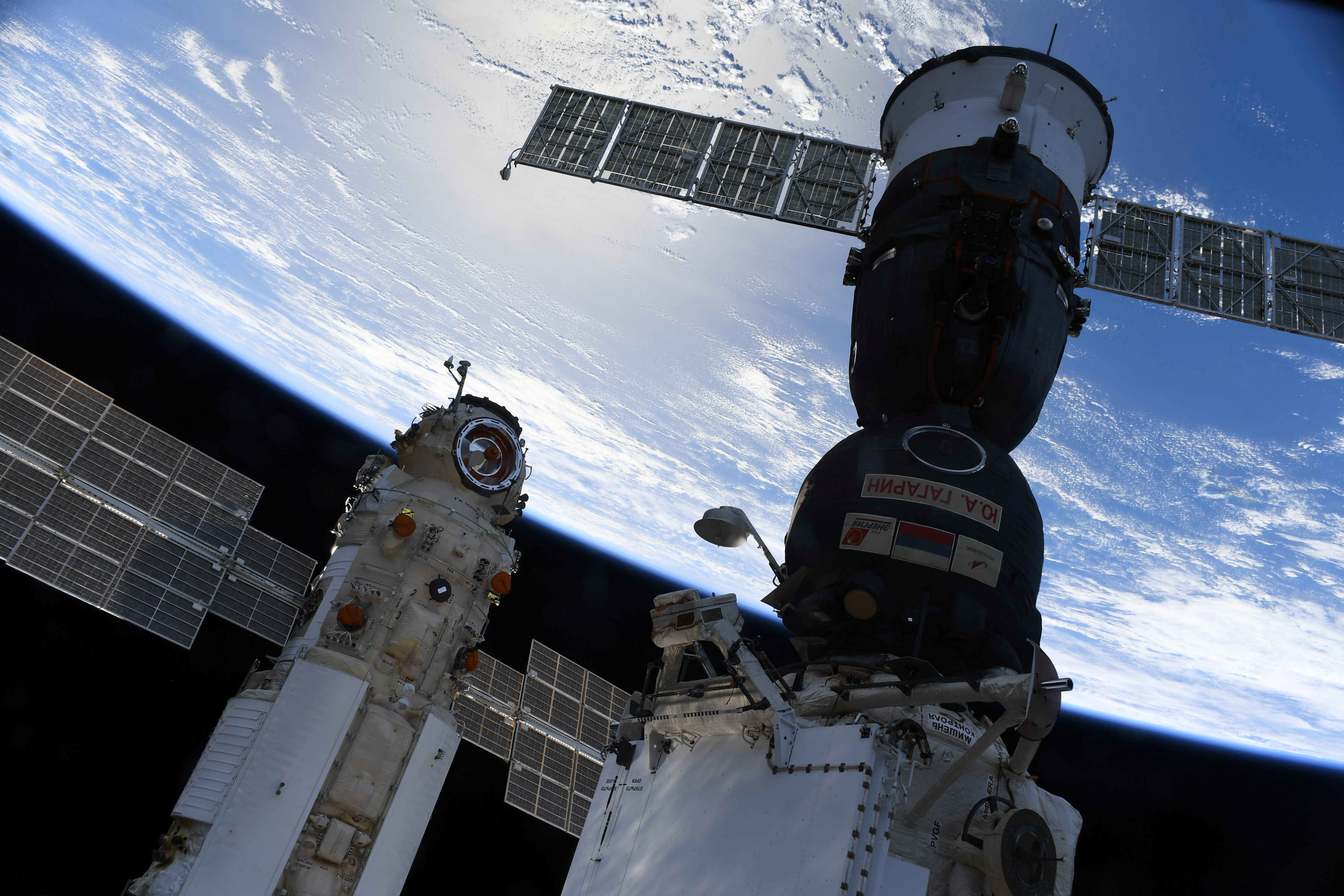
A recent incident on the International Space Station (ISS) prompted Russian cosmonauts to briefly seal off part of the station after detecting an “unusual odor” emanating from the Russian Progress 90 cargo spacecraft. This occurred over the weekend, with NASA reporting the situation on Sunday.

According to NASA, the smell, accompanied by “droplets” observed by the cosmonauts, was likely due to “outgassing” from materials inside the Progress capsule. NASA clarified that the issue was not related to the spacecraft’s fuel—unsymmetric-dimethylhydrazine and nitrogen tetroxide—which is highly toxic to humans. Instead, it stemmed from materials within the spacecraft that had been exposed to the harsh conditions of space.

Kelly O. Humphries, NASA’s news chief at Johnson Space Center, reassured that there were no immediate safety concerns for the crew. “Outgassing” is a common occurrence in space when materials release gases in the absence of Earth’s atmosphere, and the extreme temperatures and radiation of space exacerbate this effect.

Once the unusual odor was detected, the cosmonauts quickly shut the hatch connecting the Poisk module to the rest of the ISS. Ground control teams then activated air scrubbers as part of standard protocol, which helped clear the air inside the station. NASA confirmed that air quality remained normal and that cargo transfer operations continued as planned.

The uncrewed Progress 90 spacecraft, which arrived on November 21 from the Baikonur Cosmodrome in Kazakhstan, was carrying essential supplies including food, fuel, and scientific materials. Despite the odor-related setback, the cosmonauts were able to access the cargo without further delay.

This event adds to ongoing concerns about the Russian-controlled modules on the ISS, including the Zvezda module, which has been largely sealed due to a slow air leak. The ISS continues to operate as a joint venture between Russia, the United States, and several international space agencies, though Russia’s commitment beyond 2028 remains uncertain.
South Korea’s KASA and NASA Collaborate on Launch of CODEX Solar Coronagraph to ISS

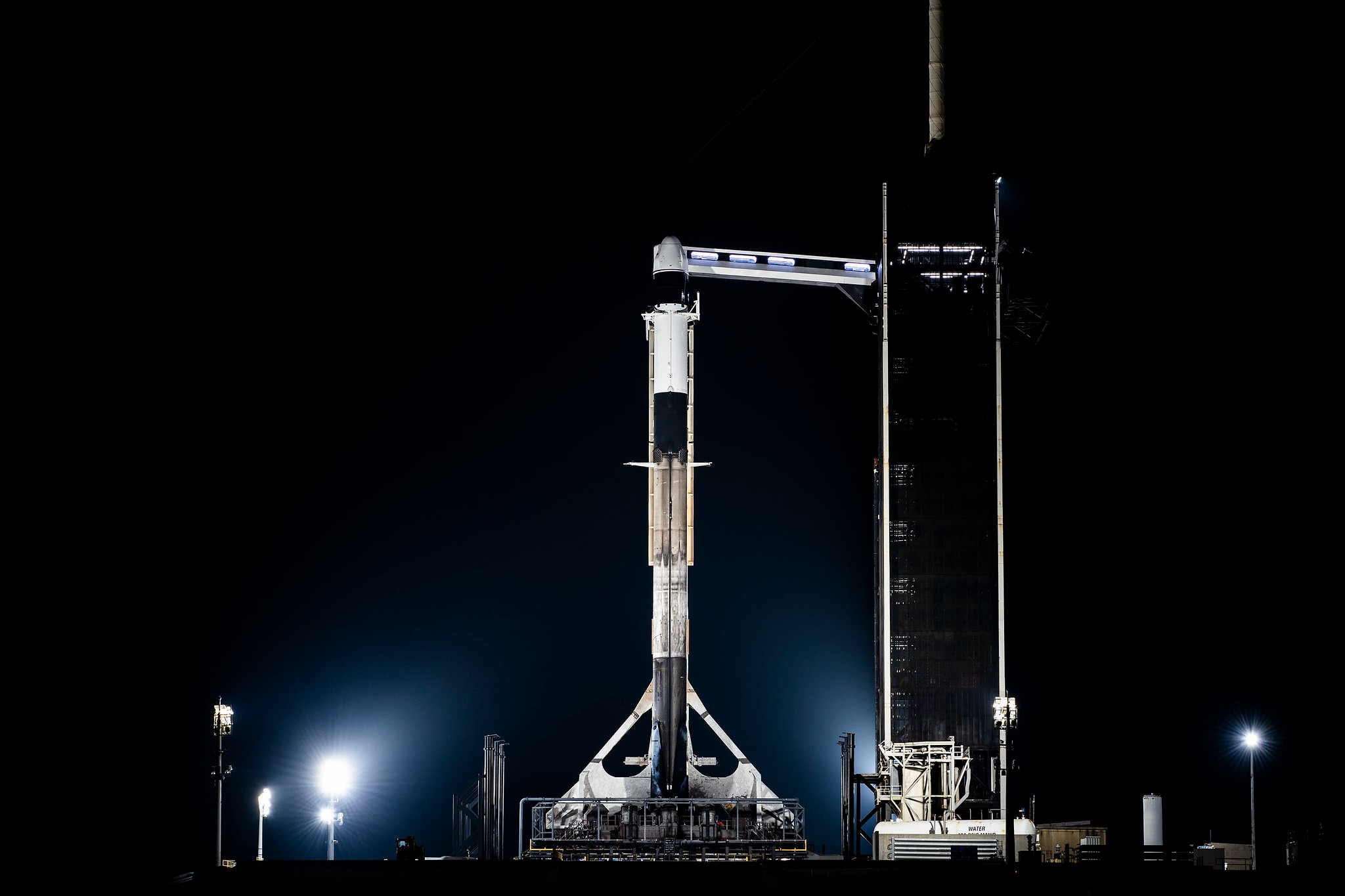
South Korea’s space agency, the Korea Aerospace Research Institute (KASA), has announced a groundbreaking collaboration with NASA to launch a solar coronagraph to the International Space Station (ISS). The instrument, developed as part of the Coronal Diagnostic Experiment (CODEX), is designed to study the Sun’s corona and the solar wind, which consists of charged particles emitted from the Sun’s outer atmosphere. This crucial mission, which aims to expand our understanding of solar phenomena, will be launched aboard SpaceX’s Falcon 9 rocket from Florida’s Kennedy Space Center, scheduled for Monday, according to Yonhap News Agency.

The CODEX project represents a major achievement in space science, as it will be the first coronagraph capable of measuring key solar wind parameters such as temperature, velocity, and density. This groundbreaking technology is expected to provide valuable data about the Sun’s outer atmosphere and the solar wind, which can have significant effects on space weather. Once aboard the ISS, CODEX will be mounted on the station’s express logistics carrier, offering approximately 55 minutes of solar observation during each 90-minute orbit around Earth. The mission’s findings could play a critical role in improving space weather forecasting and enhancing our ability to predict solar storms.

The collaboration between KASA and NASA on CODEX is part of a broader expansion of South Korea’s role in space exploration. This partnership also extends to the Artemis lunar exploration program, with KASA contributing to research on sustainable lunar exploration and future Mars mission preparations. South Korea’s involvement in the Artemis program marks an important milestone, as the country becomes the fifth nation to officially cooperate with NASA on lunar and interplanetary exploration. This strengthened partnership highlights the growing significance of international cooperation in advancing space science and exploration.

Through this mission and the broader space cooperation initiatives, South Korea and NASA aim to make significant strides in understanding space weather, solar dynamics, and the broader challenges of space exploration. As both countries continue to expand their partnership in space, the CODEX project serves as a symbol of their commitment to advancing scientific knowledge and enhancing global space exploration capabilities. The mission not only represents a technological breakthrough but also reinforces the importance of international collaboration in addressing the challenges of space science.

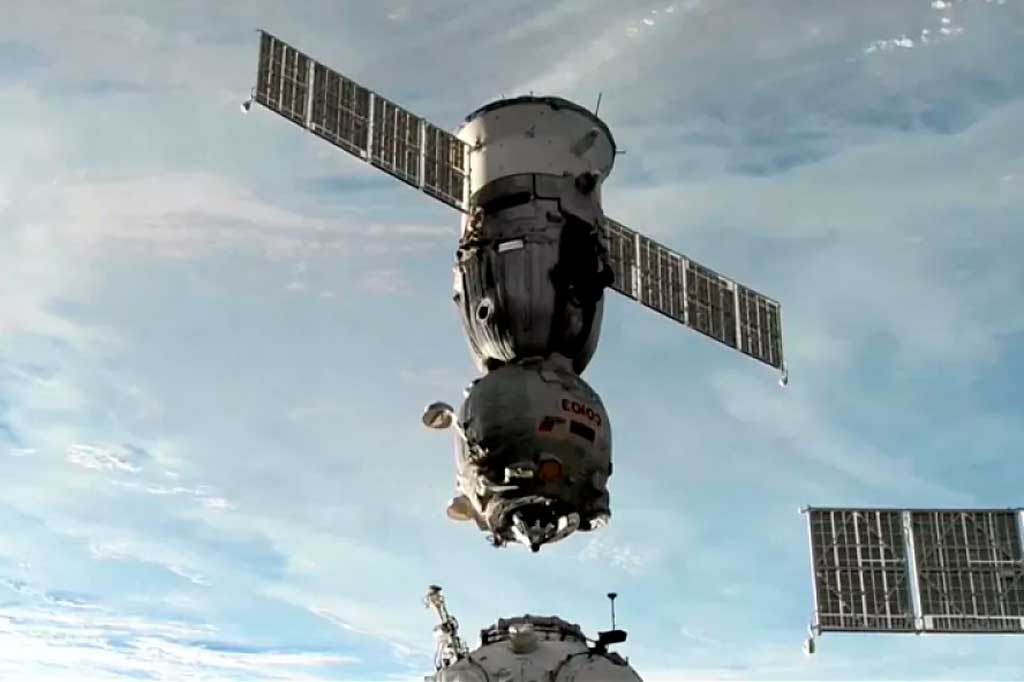
Soyuz MS-25 Successfully Returns Home, Bringing NASA Astronaut and Cosmonaut Back from Historic ISS Mission

Soyuz MS-25 Capsule Safely Lands, Completing Historic Mission with NASA and Russian Crew Members Devamını Oku